Introduction: Commemorating a Revolutionary Visionary
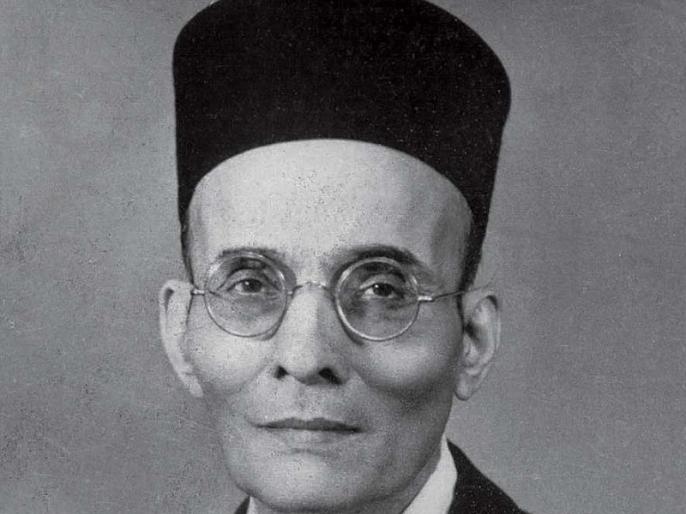
Veer Savarkar Jayanti is celebrated on May 28 to mark the birth anniversary of Vinayak Damodar Savarkar (1883–1966). A multifaceted personality—revolutionary freedom fighter, poet, writer, and social reformer—Savarkar remains one of the most influential and debated figures in Indian history. His life was a testament to his unwavering commitment to his vision of an independent and unified India.
Early Life and The Call to Revolution
Born in the village of Bhagur near Nashik, Maharashtra, Savarkar’s patriotic fervor was evident from his youth.
-
The Secret Society: In 1904, he founded Abhinav Bharat, a secret society dedicated to armed rebellion against British rule.
-
Legal Activism: While studying law in London, he organized Indian students at India House, becoming a focal point for revolutionary activities in Europe.
-
The Banned History: It was during this time that he wrote The Indian War of Independence 1857. The British government was so intimidated by its content that they banned the book before it was even published.
The Trials of the Cellular Jail
Savarkar’s revolutionary activities led to his arrest and two life sentences (totaling 50 years) in the dreaded Cellular Jail in the Andaman and Nicobar Islands, also known as Kala Pani.
-
Hardship and Resilience: Despite the brutal conditions, Savarkar continued to write poems on the jail walls using thorns and nails, memorizing them until he was released.
-
Ideological Shift: His time in the Cellular Jail shaped his later philosophy, emphasizing the need for cultural unity among Hindus to resist colonial oppression.
Philosophical Contributions: The Concept of Hindutva
Savarkar is best known for formulating the concept of Hindutva, which he elaborated in his book Hindutva: Who is a Hindu?.
-
Cultural Identity: He defined a Hindu not just by religion, but as someone who considers India as their Fatherland (Pitrubhu) and Holy Land (Punyabhu).
-
The "Six Glorious Epochs": He authored several works that aimed to re-narrate Indian history through a lens of resistance and pride, encouraging Indians to reclaim their civilizational identity.
The Social Reformer: Breaking the Caste Barriers
An often-overlooked aspect of Savarkar's life was his staunch opposition to the caste system. He believed that caste divisions were the primary reason for India’s vulnerability to foreign invasions.
-
The Seven Shackles: He advocated for the breaking of the "Seven Shackles" (Saptabandi) of Hindu society, which included bans on inter-caste dining, inter-caste marriage, and untouchability.
-
Patit Pavan Mandir: In Ratnagiri, he built the Patit Pavan Temple, which was the first of its kind to be open to Hindus of all castes, including those then considered "untouchable."
How the Day is Observed
Veer Savarkar Jayanti is marked by various programs across India, particularly in Maharashtra:
-
Seminars and Lectures: Intellectuals and historians gather to discuss his literary works and political theories.
-
Cultural Programs: Dramas based on his life incidents and recitations of his patriotic poems are organized in schools and community centers.
-
Social Service: In keeping with his reforms, many organizations conduct blood donation camps and community meals aimed at promoting social equality.
इस आर्टिकल को हिंदी में पढ़ने के लिए यहां क्लिक करें