
Bera Utsav
Bera Utsav is in mid September, its celebrated on the banks of river Bhagirathi in Murshidabad, West Bengal and attracts […]
Bera Utsav is in mid September, its celebrated on the banks of river Bhagirathi in Murshidabad, West Bengal and attracts many tourists
A Glimpse into the Royal Grandeur of Murshidabad’s Floating Festival
Have you ever heard the saying, “Baro mase tero parbon”? It translates to “Thirteen festivals in twelve months,” and it perfectly captures the spirit of West Bengal. Among these many celebrations, Bera Utsav stands out as one of the most visually stunning and historically rich traditions.
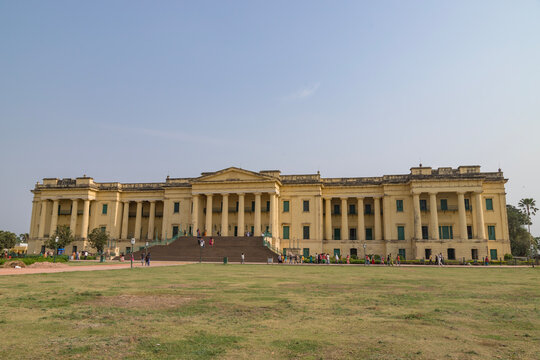
Set against the backdrop of the majestic Hazarduari Palace, this festival turns the Bhagirathi River into a canvas of light and history.
The Historical Heart: Why Murshidabad?
Murshidabad isn’t just a city; it’s a living museum of Bengal’s glorious past. Named after Nawab Murshid Quli Khan, this city was once the seat of power for the Nawabs of Bengal.
-
The Setting: The festival takes place at Lal Bagh, right on the banks of the Bhagirathi River, near the historic palace.
-
The Legacy: Originally started by the Nawabs, Bera Utsav was a way to seek protection from water-borne calamities and to honor Khwaja Khizir (the spirit of the water).
The Main Event: What Makes it Spectacular?
Imagine standing on the riverbank as the sun sets, and suddenly, the water comes alive.
-
The Floating Raft (Bera): The centerpiece is a massive raft made of bamboo and banana stumps, decorated with flowers and lamps. In the past, these rafts were enormous, sometimes carrying entire miniature paper palaces!
-
A Symphony of Fire: The highlight for most visitors is the magnificent fireworks display. Thousands of multi-hued crackers and rockets light up the night sky, reflecting off the ripples of the Bhagirathi. It’s a photographer’s dream and a feast for the eyes.
-
Communal Splendor: While the Nawabs may be gone, the grandeur remains. The festival draws people from all walks of life, symbolizing the harmonious coexistence and shared heritage of the region.
Interactive Corner: Did You Know?
The “Lost” Tradition? In the royal era, the Bera (raft) was laden with food and gifts that were set afloat as offerings. Today, while the gift-giving has changed, the scale of the lighting and fireworks has grown to become a major national tourist attraction.
Question for You: If you were to visit Murshidabad, would you prefer exploring the thousand doors of the Hazarduari Palace by day, or watching the Bera Utsav fireworks by night? (Most people say both!)
Plan Your Visit: The Timing
If you’re looking to catch this spectacle in person, mark your calendar:
-
When: It is celebrated every year on the last Thursday of the Bengali month of Bhadra.
-
Modern Calendar: This typically falls in mid-September.
-
Travel Tip: September in Bengal can be humid, so evening riverside festivals are the perfect way to enjoy the breeze and the culture simultaneously.
Quick Traveler’s Checklist
-
Camera: You’ll want a high-speed shutter for those firework shots!
-
Local Guide: Hiring a local storyteller will help you uncover the hidden myths of the Nawab era.
-
Local Cuisine: Don’t leave Murshidabad without trying the famous Murshidabadi Biryani or local sweets.
Final Thought
Bera Utsav is a reminder that history doesn’t just live in books; it lives in the way a community celebrates its rivers and its past. It’s a night where the water and sky meet in a blaze of glory.