
The Flavors of Assam: Traditional Bihu Recipes & Their Significance
Bihu Recipes: Learn to make delicious Bihu delicacies like Masor Tenga, Omita Khar, Bhapot Diya Ilish Maas, Tekeli Pitha with […]
Bihu Recipes: Learn to make delicious Bihu delicacies like Masor Tenga, Omita Khar, Bhapot Diya Ilish Maas, Tekeli Pitha with easy and quick recipes
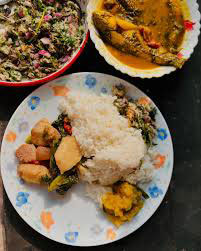
Bihu is the heartbeat of Assam, and its culinary traditions are a testament to the state’s rich biodiversity and agrarian resilience. Whether it is the festive joy of Rongali Bihu, the spiritual reflection of Kati Bihu, or the grand harvest abundance of Bhogali Bihu, food serves as the primary medium of cultural expression.
The Bihu kitchen is a place where ancient techniques—such as steaming in bamboo or slow-roasting over open fires—meet the purity of seasonal, locally sourced ingredients.
The Philosophy of Bihu Cuisine
Every dish served during Bihu is rooted in three core principles:
-
Seasonality: Ingredients are dictated by the harvest cycle, focusing on new rice, sesame, jaggery, and winter greens.
-
Digestive Wellness: The Assamese palate balances heavy, carbohydrate-rich snacks with alkaline (Khar) and acidic (Tenga) dishes to maintain gut health.
-
Community Identity: Many Bihu recipes are designed to be prepared collectively, such as the Uruka community feast, where men and women share the labor of cooking.
Essential Bihu Recipes and Their Significance
1. Til Pitha (The Hand-Rolled Sesame Rice Cake)
The Til Pitha is arguably the most iconic Bihu delicacy. It requires immense skill and patience to master the perfect roll.
-
Significance: It symbolizes the “sweetness of labor.” Because it uses no oil, it represents the purity of the new harvest.
-
The Recipe: It is crafted from Bora Saul (sticky rice). The rice is soaked, dried, and ground into a fine powder. A small amount of this flour is spread on a hot griddle and topped with a mixture of roasted black sesame and liquid jaggery.
-
The Technique: The artisan must roll the rice layer while it is still on the heat without breaking the fragile crust, creating a crisp exterior with a soft, sweet heart.
2. Masor Tenga (The Signature Sour Fish Curry)
No Bihu feast is complete without the Masor Tenga. It reflects the riverine lifestyle of the Brahmaputra Valley.
-
Significance: It serves as a palate cleanser and a refreshing contrast to the sweet Pithas. It represents the abundance of Assam’s water bodies.
-
The Recipe: Local river fish like Rohu or Borali are lightly fried in mustard oil. The gravy is made thin and tangy using “souring agents” like tomatoes, Outenga (elephant apple), or Thekera (dried mangosteen).
-
The Technique: The key is minimal spicing—only turmeric, salt, and green chilies—to allow the natural tanginess and the freshness of the fish to dominate.
3. Jolpan (The Probiotic Breakfast)
Jolpan is not just a dish but a platter of various processed rice items that demonstrate the versatility of the Assamese staple.
-
Significance: It is the ultimate comfort food and the standard breakfast for guests during the Bihu season.
-
Components: It typically features Chira (flattened rice), Muri (puffed rice), Akhoi (parched paddy), and the rare Hurum (popped rice).
-
Serving Style: These are served with thick, creamy curd (Doi), a drizzle of liquid jaggery (Gur), and sometimes a dollop of fresh cream (Sika).
4. Narikol Laru and Til Laru (Festive Sweets)
These hand-rolled sweet balls are the staple of Bihu hospitality.
-
Significance: Their round shape symbolizes the cycle of seasons and the sun. They are energy-dense treats designed to sustain the community through long days of dancing and harvesting.
-
The Recipe: Narikol Laru is made by cooking grated coconut with sugar or jaggery until it reaches a binding consistency. Til Laru uses roasted sesame seeds bound together by boiling jaggery syrup.
Unique Culinary Techniques of the Region
Bamboo Cooking (Chunga Pitha)
During Bhogali Bihu, the Chunga Pitha is a highlight. Sticky rice is stuffed into tender bamboo tubes (Bans) and roasted over an open fire. The moisture from the bamboo steams the rice, infusing it with a delicate, woody aroma.
The Alkaline Starter (Khar)
Assam is one of the few cultures that begins a meal with an alkaline dish. Omita Khar (raw papaya khar) uses “Khar water”—an extract made from the ashes of sun-dried banana peels. This unique ingredient acts as a natural digestive and gives the dish its distinct, earthy flavor profile.
Comparison: Culinary Focus Across the Three Bihus
| Festival | Season | Key Culinary Feature | Atmosphere |
| Bohag Bihu | Spring | Jolpan and Pithas | Focus on hospitality and snacks. |
| Kati Bihu | Autumn | Prasad (Legumes/Fruits) | Solemn offerings during the lean season. |
| Magh Bihu | Winter | Uruka Feast and Bamboo Rice | Grand celebration of the final harvest. |