
The Blueprint of a Nation: Why Bal Diwas is More Than a Celebration
Significance of Bal Diwas in India, why Children’s Day is on Nov 14, child rights awareness India, Nehru’s vision for […]
Significance of Bal Diwas in India, why Children’s Day is on Nov 14, child rights awareness India, Nehru’s vision for children, history of Children’s Day date change.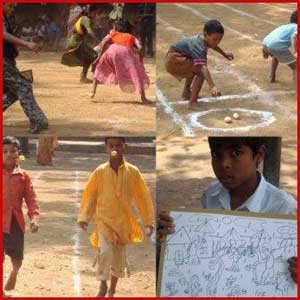
While the fun and festivities of Children’s Day are well-known, the “significance” of November 14th runs much deeper into the legal, social, and historical fabric of India. It is a day of national audit—a time to check if we are living up to the promises made to our youngest citizens.
Beyond the roses and the tributes to Pandit Nehru, here is the critical significance of this day that often goes unmentioned in standard textbooks.
1. The Global Shift: Why 14th November?
A common point of confusion is why India celebrates on the 14th while the rest of the world observes World Children’s Day on November 20th.
-
The Transition: Initially, India followed the UN recommendation and celebrated on November 20th. However, after the passing of Pandit Nehru in 1964, a resolution was passed in Parliament to move the date to his birth anniversary.
-
The Goal: This change wasn’t just to honor a man, but to ground the global concept of “child rights” into an Indian context—linking the growth of a child directly to the growth of the newly independent nation.
2. A Day for Rights Advocacy
The most vital significance of Bal Diwas is its role as a platform for Child Rights Awareness. It serves as an annual reminder of the “United Nations Convention on the Rights of the Child,” focusing on:
-
The Right to Protection: Raising awareness against child labor, trafficking, and abuse. It’s a day for NGOs and government bodies to launch safety campaigns.
-
The Right to Participation: Ensuring that children are not just “seen” but “heard.” Modern celebrations often include youth parliaments where students discuss social issues.
-
The Right to Equality: Emphasizing that every child—regardless of gender, caste, or economic background—deserves the same quality of life and opportunity.
3. The Institutional Impact: From Vision to Reality
Nehru didn’t just speak about children; he built the infrastructure for them. The significance of this day is tied to the institutions that changed the face of India:
-
The Mid-Day Meal Scheme: The roots of this massive social program can be traced back to the post-independence focus on child nutrition and school attendance.
-
National Children’s Board: Established to ensure that children’s welfare remained a top priority for the Prime Minister’s office.
-
Universal Education (RTE): Bal Diwas acts as a recurring deadline for the nation to assess how close we are to 100% literacy.
4. Psychological Significance: Validating Childhood
In a high-pressure society focused on competitive exams, Bal Diwas provides a “Mental Health Break.”
-
Role Reversal: When teachers perform for students, it breaks the “power dynamic.” It teaches children that authority can be kind, creative, and approachable.
-
Emotional Safety: For many children in difficult circumstances, the school celebration is the only day they feel truly “seen” and special. This sense of validation is critical for developing self-worth and confidence.
Did You Know?
-
The 1957 Milestone: The first official government-organized Children’s Day in India was held in 1957.
-
The Post-Independence Hope: In the 1950s, Children’s Day was used to show “educational films” to children in villages via mobile vans, bringing the “outside world” to them for the first time.
The Interactive Debate: Your Take on Significance
As our society changes, so does the meaning of this day. Let’s look at the modern significance:
-
The Responsibility Gap: Do you think we focus too much on “fun” and not enough on “rights” during Bal Diwas? How can schools find the right balance?
-
Digital Rights: In 2026, do you think “Right to Online Safety” should be a major theme for Children’s Day?
-
The Grown-Up Question: How can adults “celebrate” the day? Should it be a day for parents to reflect on their parenting styles?
The true significance of Children’s Day lies in the promise that no child is left behind. It’s not just a day for children; it’s a day for the adults to prove they are building a world worthy of them.