
The Festival of Lights: A Journey into Diwali
Diwali is one of the most important festivals of India, celebrating the triumph of good over evil. Deepavali, colloquially known […]
Diwali is one of the most important festivals of India, celebrating the triumph of good over evil.
Deepavali, colloquially known as Diwali, stands as the most culturally significant and universally recognized festival in the Indian tradition. This “Festival of Lights” is celebrated with equal fervor across the globe, uniting Hindus, Jains, Sikhs, and Buddhists in a shared message of hope.
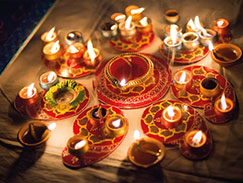
Falling on the Amavasya (new moon) of the month of Kartik, the festival serves as a spiritual landmark, celebrating the victory of righteousness over tyranny and the emergence of knowledge from the shadows of ignorance.
The Mythological Tapestry: Diverse Origins of a Single Celebration
The reasons for celebrating this auspicious day vary across regions and faiths, yet they all share a common thread of triumph.
The Restoration of Dharma in Ayodhya
In Northern India, the day commemorates the homecoming of Lord Rama, the Seventh Avatar of Vishnu, after fourteen years of exile. His return to the throne of Ayodhya after defeating Ravana represents the ultimate victory of “Dharma” (duty/righteousness) over “Adharma.”
The Liberation from Tyranny
Southern India primarily observes the festival as the day Lord Krishna annihilated the demon Narakasura. This event was not just a military victory but a social liberation, as thousands of captives were freed from the demon’s oppression.
The Mahavira Nirvana and Spiritual Freedom
For followers of Jainism, this is the solemn yet celebratory day of Lord Mahavira’s enlightenment and final liberation. It represents the ultimate goal of the human soul: freedom from the cycle of birth and death.
The Celebration of Justice and Liberty
Sikhs honor this day as Bandi Chhor Divas. It marks the historical moment when Guru Hargobind Ji secured the release of 52 innocent kings from imprisonment, illustrating the Sikh commitment to justice and human rights.
The Five-Stage Journey of Deepavali
Diwali is an expansive five-day festival, where each day holds a distinct spiritual and social purpose.
-
Dhanteras (Day of Wealth): The focus is on prosperity. Homes are deep-cleaned, and new assets—typically gold, silver, or kitchenware—are acquired to signify the arrival of good fortune.
-
Naraka Chaturdashi (Day of Purification): Often called Chhoti Diwali, the ritual focus is on personal cleansing. The traditional oil bath symbolizes the removal of ego and internal impurities.
-
Lakshmi Puja (The Main Event): This is the climax of the festival. Families perform the grand worship of Goddess Lakshmi and Lord Ganesha to invite wisdom and sustainable wealth into their lives.
-
Govardhan Puja and Bali Pratipada: A day of gratitude toward nature and the earth’s bounty. It also marks the start of the new lunar year for many communities.
-
Bhai Dooj (The Bond of Siblings): The festivities conclude with a day dedicated to the love and protection shared between brothers and sisters.
Iconic Observances and Cultural Practices
The sensory experience of the festival is created through specific, time-honored practices:
-
The Illumination Ritual (Deepdan): Every corner of the house is lit with earthen lamps to ensure no darkness remains. This symbolizes the omnipresence of the soul’s light.
-
Sacred Geometry (Rangoli): Elaborate patterns created on the floor using natural powders serve as a welcoming invitation to divine energies and guests.
-
The Exchange of Sweetness: Distributing Mithai (traditional sweets) is a symbolic gesture meant to dissolve past grievances and sweeten future relationships.
-
Social Philanthropy: An essential modern pillar of the festival is “Seva” or service—ensuring that those less fortunate also have the means to celebrate.
Chronology for the 2026 Festive Season
|
Festive Milestone |
Date of Observance |
|
Dhanteras |
Saturday, November 7, 2026 |
|
Chhoti Diwali |
Sunday, November 8, 2026 |
|
Lakshmi Puja (Main Festival) |
Sunday, November 8, 2026 |
|
Goverdhan Puja |
Monday, November 9, 2026 |
|
Bhai Dooj |
Tuesday, November 10, 2026 |
Universal Resonance and the Green Revolution
In the contemporary world, Diwali has transcended its geographical origins to become a global symbol of peace. From the lighting of lamps at international landmarks to community feasts in every major city, it is a festival that speaks to the human desire for a better, brighter world.
Significantly, the modern celebration has embraced an Ecological Mandate. There is a massive shift toward “Green Diwali” practices, including the use of smokeless crackers, biodegradable decor, and local, sustainable gifting, ensuring that our celebration of the light does not darken the future of our planet.
A Moment for Introspection: What Is Your Light?
The true “Deepavali” happens within. As you prepare for the festivities, consider these reflections:
-
Internal Victory: If you were to defeat one “internal demon” (such as procrastination, resentment, or doubt) this year, which would it be?
-
Preserving Heritage: What is the one family tradition you are most excited to pass down to the next generation?
-
Community Connection: How are you planning to share your “abundance” with someone who might be struggling this year?
We invite you to share your unique traditions and thoughts on how the ancient message of Diwali fits into your modern life.