
Gajalaxmi Puja
Gajalaxmi Puja (Kumar Puja) is associated with Lord Kartikeya and Goddess Laxmi, Unmarried girls worship Sun and Moon and fast […]
Gajalaxmi Puja (Kumar Puja) is associated with Lord Kartikeya and Goddess Laxmi, Unmarried girls worship Sun and Moon and fast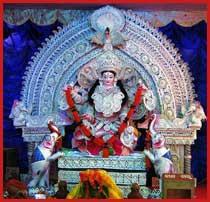
Gajalaxmi Puja is a profound celebration of beauty, abundance, and the brightest moon of the year. Known in various regions as Kumar Purnima or Sharad Purnima, this auspicious day marks the moment when Goddess Lakshmi is believed to shower the earth with her divine blessings.
1. The Iconography: Why is Lakshmi Flanked by Elephants?
In this specific form, the Goddess is worshipped as Gajalaxmi. The presence of the elephants is not merely decorative; it carries deep spiritual meaning:
-
The Golden Pitchers: The two elephants stand on either side, pouring water from golden vases over the Goddess. This represents the life-giving rains that ensure a bountiful harvest.
-
The Symbol of Authority: Unlike other depictions, Gajalaxmi represents Royal Power (Rajya Lakshmi). She is the force that sustains empires and brings stability to wealth.
-
The Lotus Seat: Representing purity and spiritual detachment, the lotus signifies that true prosperity remains untainted by the “mud” of greed.
2. The Night of Healing: The Science and Myth of the Moon
This festival occurs on Sharad Purnima, the night when the moon is at its closest point to the Earth (Perigee).
-
The Nectar Effect: Ancient Vedic tradition suggests that the moon’s rays possess medicinal properties on this specific night.
-
The Kheer Tradition: A common interactive tradition involves preparing Kheer (rice pudding) and leaving it in the open moonlight overnight. It is believed that the rays infuse the pudding with “Amrit” (nectar), which is then consumed the next morning for health and vitality.
3. Kumar Purnima: A Celebration of Youth and Aspiration
In the state of Odisha, the day is celebrated as Kumar Purnima, a festival dedicated to the youth and unmarried women.
-
Sun and Moon Worship: Participants wake up before dawn to worship the rising sun. In the evening, they perform rituals for the full moon to seek a life partner as virtuous as Lord Kartikeya, the handsome God of War.
-
Cultural Rebirth: The day is marked by new clothes, traditional songs, and the “Janhi Osa” (a specific fast), making it one of the most vibrant cultural events in Eastern India.
4. Regional Grandeur: The Dhenkanal and Kendrapara Carnivals
For those looking to experience the public spectacle of this festival, the districts of Dhenkanal and Kendrapara in Odisha offer an unparalleled experience.
-
The 11-Day Festival: The celebrations often extend for over a week, turning entire towns into open-air galleries.
-
The Pandals: Master craftsmen create massive clay idols of Goddess Lakshmi, often decorated with intricate silver and gold work.
-
Kauri Khela: A traditional game played with sea shells (Kauris) remains a popular highlight. Since the shell was once a form of currency, playing this game is a symbolic way to attract financial luck.
5. Comparative Analysis: Gajalaxmi vs. Diwali Lakshmi Puja
It is a common point of confusion for many. Here is how the two major Lakshmi festivals differ:
| Feature | Gajalaxmi Puja | Diwali Lakshmi Puja |
| Lunar Phase | Full Moon (Purnima) | New Moon (Amavasya) |
| Central Motif | Elephants (Gaja) | Oil Lamps (Diyas) |
| Core Theme | Prosperity and Fertility | Victory of Light over Darkness |
| Regional Peak | Odisha, Bengal, and Assam | Pan-India |
6. Frequently Asked Questions (FAQ)
What is the significance of the question “Ko Jagarti”?
It is believed that at midnight on this night, Goddess Lakshmi wanders the earth asking “Ko Jagarti?” (Who is awake?). Legend states that she blesses those she finds awake and in prayer with lifelong wealth.
What is the traditional offering for this Puja?
The primary offering, particularly in Eastern India, is Khaee (puffed paddy) mixed with jaggery, grated coconut, and banana. It is a light, natural, and satvic offering.
Is there a specific dress code for the day?
While there is no strict rule, wearing bright, auspicious colors like Yellow or Red is recommended to align with the royal energy of Gajalaxmi.
7. SEO and Publishing Metadata
-
Browser Page Title: Gajalaxmi Puja: Significance, Rituals, and Global Traditions
-
Meta Description: Explore the deep significance of Gajalaxmi Puja and Kumar Purnima. Learn about the healing powers of the Sharad Purnima moon and the grand celebrations in Odisha.
-
Key Search Terms: Gajalaxmi Puja significance, Sharad Purnima kheer ritual, Kumar Purnima history, Dhenkanal Laxmi Puja guide.