Haldighati Festival: The Resonance of Valor in the Golden Sands
In the heart of the Aravalli Range lies a narrow mountain pass with soil as yellow as turmeric—Haldighati. The Haldighati Festival is not merely a regional fair; it is a "Festival of Sovereignty." It commemorates the legendary Battle of Haldighati (1576) and honors the immortal spirit of Maharana Pratap, the ruler of Mewar who chose the hardships of the wild over the luxury of surrender.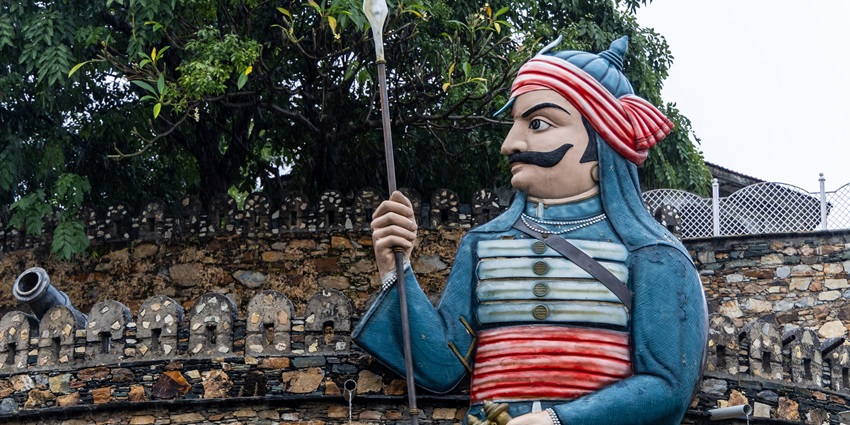
1. Timing: When the Valleys Echo
The festival is primarily observed on Maharana Pratap Jayanti (the birth anniversary of the king), which typically falls in late May or June (the third day of the Jyeshtha Shukla phase). The heat of the Rajasthan summer during this time serves as a physical reminder of the grueling conditions under which the Battle of Haldighati was fought.
2. History: The Legend of the Turmeric Ghat
The history of this festival is written in the blood and soil of 1576.
-
The Conflict: Maharana Pratap stood against the massive Mughal forces led by Raja Man Singh (under Emperor Akbar). Despite being outnumbered, the Maharana’s guerrilla warfare tactics in the narrow pass became a masterclass in military strategy.
-
The Legend of Chetak: No history of Haldighati is complete without Cetak, the Maharana’s loyal blue-eyed horse. Legend says Cetak leaped across a wide stream to save his master’s life despite being mortally wounded, forever etching the bond between man and animal into the folklore of Mewar.
-
The Soil: The term "Haldighati" comes from the yellow-colored soil (Haldi meaning turmeric), which locals believe turned yellow from the sheer intensity of the battle and the turmeric-colored robes worn by the Rajput warriors.
3. Significance in Today’s World: The Youth Perspective
For today’s youth, the Haldighati Festival is a lesson in Identity and Resilience:
-
Unyielding Integrity: In an era of quick compromises, the festival teaches young people the value of standing by one's principles, regardless of the odds.
-
Indigenous Strategy: Maharana Pratap’s use of the local Bhil tribes and the difficult terrain is studied today as a precursor to modern decentralized warfare and local empowerment.
-
Cultural Roots: For the youth of Rajasthan, it is a day to reconnect with their "Veer Gathas" (heroic poems) and understand that their heritage is built on the foundation of sacrifice.
4. Modern Rituals and Celebration
The celebration at Haldighati and the nearby Maharana Pratap Memorial is a vibrant display of Rajasthani culture:
-
Shastra Puja (Worship of Arms): Following ancient Rajput tradition, weapons and symbols of protection are ritually cleansed and worshipped, symbolizing the strength required to protect Dharma.
-
Cavalcade of Horses: To honor Cetak, grand processions of decorated horses take place. Equine competitions and displays of "Ashwa Pujan" (Horse Worship) are central to the event.
-
Folk Ballads: Local bards known as Charans and Bhats recite the "Pratap Raso," stirring epics that bring the battle scenes to life through music and poetry.
-
The Yellow Soil Tribute: Devotees and tourists often visit the "Rakt Talai" (the pool of blood) to pay respects, often taking a pinch of the yellow soil as a symbol of courage.
5. Traditions and Symbols
-
The Saffron Turban: Participants often wear saffron-colored turbans, symbolizing sacrifice and the "Kesariya" (warrior's oath) of the Rajputs.
-
Bhil Participation: The festival continues to honor the Bhil tribe, who were the Maharana's most loyal allies. Their traditional dances and archery displays are a vital part of the tradition.
6. Where it is Popularly Celebrated
While the epicenter is the Haldighati Pass (near Rajsamand), the fervor extends to:
-
Udaipur: The "City of Lakes" hosts massive rallies and exhibitions at the City Palace.
-
Chittorgarh Fort: Where the legacy of the Sisodia clan began.
-
Moti Magri: The hill in Udaipur where the bronze statue of Maharana Pratap on Cetak stands.
7. Metaphysical Insight: The Freedom of the Soul
The Haldighati Festival teaches the philosophy of "Swabhiman" (Self-Respect). It suggests that true freedom is not the absence of struggle, but the presence of the courage to face it. Much like the Yogini Ekadashi cleanses the body, the remembrance of Haldighati cleanses the mind of cowardice and lethargy.
8. Key Topics for Knowledge (The Hero’s Path)
-
Guerrilla Warfare: How Maharana Pratap used the Aravalli hills to neutralize the Mughal elephant corps.
-
The Blue Horse: Why Cetak is considered the "King of Horses" in Indian equine history.
-
Communal Harmony: Recognizing that the Maharana’s artillery was led by Hakim Khan Suri, showing that valor in Haldighati transcended religious lines.
Summary: The Haldighati Festival is the Altar of Heroism. It reminds the youth that the yellow soil of the valley is a sacred reminder: that those who fight for their motherland never truly die; they live on in the songs of the hills and the hearts of the brave.