
Hartalika Teej
Hartalika Teej is celebrated to honor Lord Shiva Parvati women also observe fasts for their husband’s long life The Supreme […]
Hartalika Teej is celebrated to honor Lord Shiva Parvati women also observe fasts for their husband’s long life
The Supreme Vow of Devotion and Determination
Hartalika Teej is considered the most rigorous of the three primary Teej festivals. Observed on the third day of the bright fortnight (Shukla Paksha) in the month of Bhadrapada, it commemorates the day Goddess Parvati’s unwavering penance led to her union with Lord Shiva.
I. The Origin and Mythology of Hartalika
The term “Hartalika” is derived from the Sanskrit words Harat (abduction) and Aalika (female friend). According to the Puranas, Goddess Parvati was determined to marry Lord Shiva, but her father, King Himalaya, had promised her hand to Lord Vishnu.
To honor Parvati’s true desire, her friends assisted her in a “sacred abduction,” hiding her in a dense forest. In a mountain cave, Parvati performed intense penance, creating a Shivalinga out of river clay and sand. Moved by her resolve, Lord Shiva appeared on the day of Bhadrapada Tritiya and accepted her as his consort. This legend underscores the theme of personal determination and spiritual strength.
II. Significance of the Observance
-
The Power of Sankalp: The festival highlights the strength of an unbreakable vow (Sankalp) and the victory of true devotion.
-
Marital Bliss and Longevity: Married women observe the fast for the well-being and long life of their husbands, while unmarried women seek a life partner with the qualities of Lord Shiva.
-
Spiritual Discipline: Unlike other Teej festivals that celebrate the arrival of the monsoon, Hartalika focuses on the asceticism and discipline of Goddess Parvati.
III. Vedic Timings and Muhurat for 2026
For the year 2026, the festival falls on a Monday, a day traditionally dedicated to Lord Shiva, enhancing its spiritual importance.
| Event | Date | Timing |
| Festival Date | Monday, September 14, 2026 | Full Day |
| Pratahkala (Morning) Puja | September 14, 2026 | 06:05 AM to 08:38 AM |
| Pradosh Kaal (Evening) Puja | September 14, 2026 | 05:45 PM to 08:12 PM |
| Tritiya Tithi Ends | September 14, 2026 | 07:06 AM |
V. Rituals and Procedure (Puja Vidhi)
The fast is traditionally a Nirjala Vrat, where devotees abstain from both food and water for 24 hours.
-
Sthapana (Installation): Devotees clean the puja area and decorate it with banana leaves. Small idols of Lord Ganesha, Lord Shiva, and Goddess Parvati are handcrafted using fresh clay or sand.
-
Shringar (Adornment): Women dress in traditional attire and offer a Suhag Pitari to Goddess Parvati. This kit typically includes vermillion (sindoor), bangles, henna (mehndi), a comb, and a mirror.
-
The Puja Ritual: An Abhishek is performed using Panchamrit (a mixture of milk, curd, ghee, honey, and sugar). Offerings of Bel Patra, Datura, and Shami leaves are made to Lord Shiva.
-
Vrat Katha: Listening to the Hartalika Vrat Katha is mandatory for the completion of the ritual. It narrates the story of Parvati’s forest exile and her eventual union with Shiva.
-
Jagran: Devotees remain awake throughout the night, engaging in meditation and singing hymns.
-
Parana (Breaking the Fast): The following morning, after a final aarti and offering of sweets, the fast is concluded by consuming water and prasad.
V. Essential Puja Samagri (Ritual Items)
-
Idol Materials: Natural clay or river sand, wooden platform (Chowki).
-
Shiva Offerings: Sacred thread (Janeu), sandalwood paste, incense, and lamps.
-
Parvati Offerings: Red cloth, flowers, and the traditional 16 adornments (Solah Shringar).
-
Fruits and Sweets: Seasonal fruits, betel leaves (paan), and betel nuts (supari).
VI. Traditional Regional Recipes
While the day is marked by fasting, specific delicacies are prepared for the offering and the subsequent feast:
-
Thekua: A traditional deep-fried cookie made from whole wheat flour and jaggery.
-
Ghewar: A honeycomb-textured sweet soaked in sugar syrup, common in Rajasthan and North India.
-
Malpua: Sweet pancakes offered as prasad.
-
Kheer: Rice pudding prepared with milk and dried fruits.
VII. Rules and Traditions
-
Abstinence from Sleep: It is a traditional belief that the fast requires a full night of vigil (Jagran) to show true devotion.
-
Purity of Materials: The idols must be handmade from earth and are usually immersed (Visarjan) in a water body the following day.
-
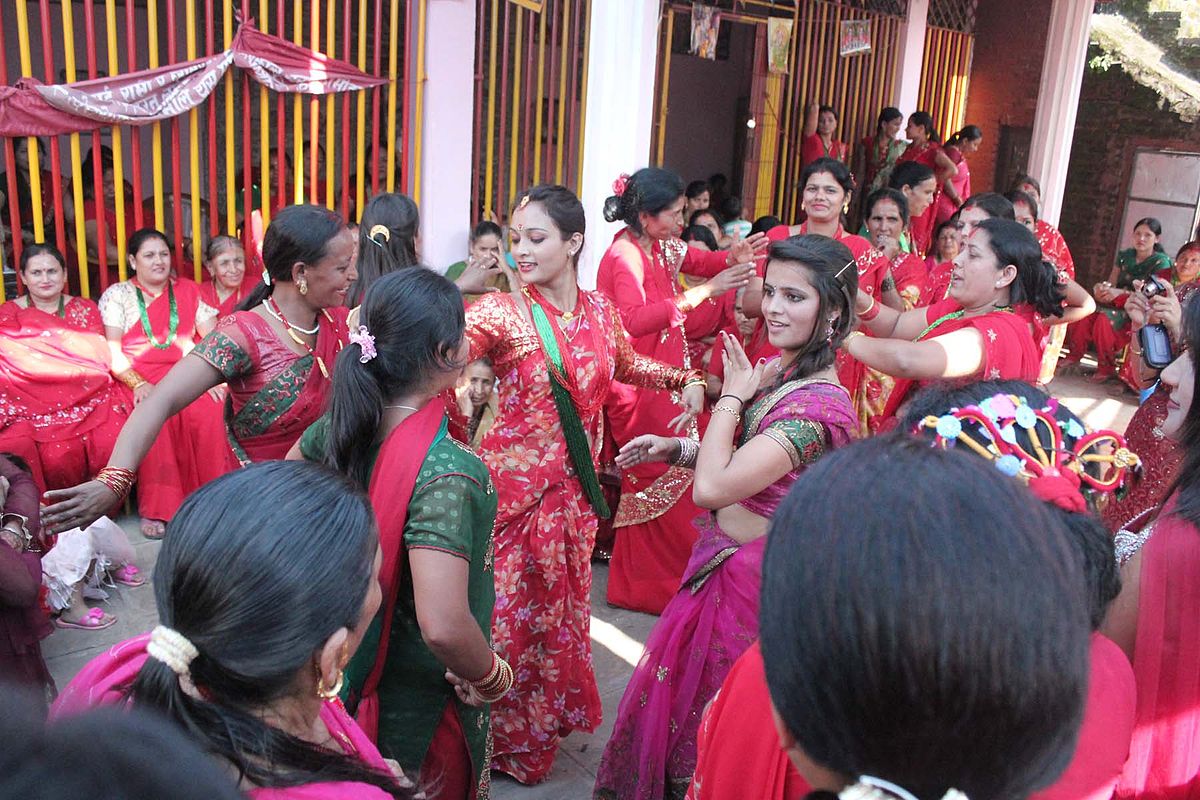
Community Prayer: In many regions, women gather in groups to perform the puja together, fostering a sense of community and shared spiritual purpose.
The Sixteen Traditional Adornments: Solah Shringar for Goddess Parvati
In the ritual of Hartalika Teej, offering the Solah Shringar (sixteen adornments) to Goddess Parvati is a central act of devotion. These items symbolize the “Suhag” (marital bliss) and the divine feminine energy of the Goddess.
Below is the detailed list of the sixteen items traditionally included in the Suhag Pitari:
-
Sindoor (Vermillion): Representing the most sacred symbol of marriage.
-
Bindi: Applied to the forehead to symbolize the third eye and auspiciousness.
-
Kajal (Kohl): To protect from the evil eye and enhance the beauty of the eyes.
-
Mehndi (Henna): To be offered for the hands and feet, symbolizing joy and strength.
-
Bangles (Choodiyan): Traditionally red or green glass bangles.
-
Payal (Anklets): Silver anklets that represent the arrival of the Goddess.
-
Bichhiya (Toe Rings): A specific symbol of a married woman.
-
Nath (Nose Ring): Representing elegance and traditional grace.
-
Gajra (Flower Garland): Typically jasmine, to be offered for the hair.
-
Maang Tikka: An ornament for the hair parting.
-
Kamarband (Waistband): To adorn the waist.
-
Aalta (Red Liquid Dye): Applied to the edges of the feet.
-
Mirror (Aina): Included so the Goddess may see her own divine form.
-
Comb (Kanghi): To symbolize the grooming and care of the self.
-
Earrings (Karnphool): Representing the “flowers for the ears.”
-
Necklace (Haar): Usually a gold-toned or beaded necklace.
Ritual Importance of the Offering
During the Pradosh Kaal (evening puja), these items are placed before the clay idol of Goddess Parvati. It is a tradition for married women to take a small portion of the offered Sindoor and Mehndi from the Goddess and apply it to themselves as Prasad, signifying that her blessings of marital longevity have been received.
हरतालिका तीज की व्रत कथा और पूजा विधी के बारे में हिंदी में पढ़ें, क्लिक करें