
International Literacy Day
International Literacy Day is as declared by UN its observed every year to spread awareness on literacy The Global Blueprint […]
International Literacy Day is as declared by UN its observed every year to spread awareness on literacy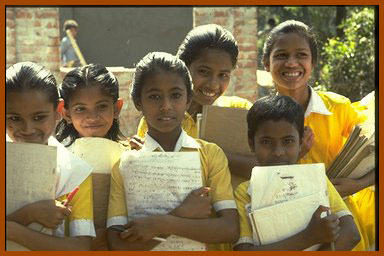
The Global Blueprint for Empowerment
Celebrated annually on September 8, International Literacy Day (ILD) is much more than a celebration of books; it is a global movement focused on the fundamental human right to read, write, and participate in society.
1. History and Origin
-
The Foundation (1965): The idea was born at the World Conference of Ministers of Education on the Eradication of Illiteracy in Tehran.
-
The Proclamation (1966): UNESCO officially proclaimed September 8 as International Literacy Day.
-
The Progress: In 1966, only about 45% of the world’s adults were literate. Today, that figure has nearly doubled to approximately 88%, though significant gaps remain.
2. Global Significance: Why It Matters Now
Literacy is the “foundational skill” that unlocks all other Sustainable Development Goals (SDGs).
-
Dignity and Human Rights: Literacy allows individuals to claim their rights, understand legal documents, and engage in informed voting.
-
Poverty and Health: Every additional year of schooling can increase an individual’s earning potential by 10%. Furthermore, literate parents are more likely to vaccinate their children and understand nutritional needs.
-
The Gender Gap: Of the 739 million non-literate adults globally, nearly two-thirds are women. ILD serves as a platform to advocate for gender-equal education.
3. The 2025–2026 Perspective: “Literacy in a Transforming World”
As we move into 2026, the definition of literacy has expanded. It is no longer just about “paper and pen.”
-
Digital Literacy: The 2025 theme, “Promoting Literacy in the Digital Era,” emphasizes the ability to navigate apps, verify online information (combating “fake news”), and use AI ethically.
-
Multilingual Education: Recent focuses emphasize teaching children in their mother tongue first, which provenly leads to better long-term literacy outcomes and cultural preservation.
-
Climate & Financial Literacy: Modern ILD initiatives now include “functional literacy”—understanding climate change data and managing personal finances in a digital economy.
4. Use and Global Implementation
How is the day “used” by the international community?
-
UNESCO Literacy Prizes: Each year, the world recognizes the most innovative literacy programs (such as those using mobile tech in rural areas) through the Confucius Prize and the King Sejong Prize.
-
Policy Mobilization: Governments use the day to launch nationwide drives. In India, for example, the New India Literacy Programme (NILP) targets 50 million non-literates aged 15 and above to provide “Life Skills” alongside basic reading.
-
Corporate and NGO Action: Tech companies often pledge resources (like free data or tablets) to underserved regions specifically on this day.
5. Content Quality and Standards
To be truly effective, literacy content today must meet the following quality pillars:
-
Inclusivity: Materials must be accessible to people with disabilities (e.g., braille, audio-assisted learning).
-
Relevance: Literacy training should be “context-specific”—teaching a farmer how to read weather reports or a worker how to read safety manuals.
-
Sustainability: Moving away from one-time “camps” toward permanent community libraries and digital learning hubs.
Quick Facts for 2026
| Metric | Current Status |
| Global Adult Literacy | ~88% |
| Youth Literacy (15–24) | ~93% |
| Major Challenges | Sub-Saharan Africa and Southern Asia (approx. 347 million without basic skills). |
| Hidden Crisis | 251 million children are in school but failing to acquire basic reading skills. |

इस आर्टिकल को हिंदी में पढ़ने के लिए यहां क्लिक करें