
Jamai Sasthi
This traditional festival originated years ago to celebrate the socio-religious duties of women and this year it will be celebrated […]
This traditional festival originated years ago to celebrate the socio-religious duties of women and this year it will be celebrated on Sun, 1 Jun, 2025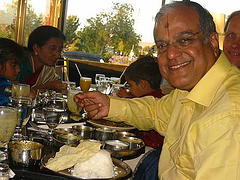
The festival of Jamai Sasthi is a heartwarming celebration that beautifully captures the essence of Bengali family bonds. It is a day dedicated entirely to the son-in-law (Jamai), where traditional hospitality reaches its peak. Set amidst the sweltering heat of the Indian summer and the sweet aroma of ripening mangoes, this festival is a delightful mix of ancient lore and modern affection.
The Legend of the Gluttonous Daughter: A Story-Telling Perspective
Once upon a time, in a traditional Bengali household, there lived a young woman who had a secret weakness: she was incredibly gluttonous. Whenever a special meal was prepared, she would stealthily eat the best portions. To hide her greed from her in-laws, she blamed a small black cat for the missing food.
Now, the cat is the vahan (vehicle) of Goddess Sasthi, the protector of children and fertility. Angered by the false accusations, the Goddess took away the woman’s children. Distressed and heartbroken, the woman wandered into the forest, where she encountered an old lady—Goddess Sasthi in disguise.
The woman confessed her sins and begged for forgiveness. The Goddess, moved by her penance, restored her children but laid down a condition: the woman’s parents must perform a special puja to honor the Goddess and invite their daughter and son-in-law home to celebrate family prosperity. Thus, Jamai Sasthi was born—a day to appease the Goddess and celebrate the continuation of the family line through the son-in-law.
Who, Where, and When?
-
Who: Celebrated primarily by Bengali Hindus. It is a day where the mother-in-law (Shashuri) takes the lead in honoring her daughter’s husband.
-
Where: While it is a major event across West Bengal and Tripura, Bengali communities worldwide—from London to New Jersey—keep this tradition alive in their homes.
-
When: It is observed on the sixth day (Sasthi) of the waxing moon (Shukla Paksha) in the Hindu month of Jyeshtha (May-June).
The Sacred Rituals: A Step-by-Step Tradition
The day is marked by several traditional steps that symbolize protection and longevity:
-
The Phota (Anointing): The son-in-law is made to sit on a small wooden seat (Asana). The mother-in-law applies a Phota (mark) of curd and sandalwood paste on his forehead while chanting prayers for his long life.
-
The Sacred Thread: A yellow thread, dyed with turmeric and tied with a small bunch of grass (Durba) and grains, is tied around the son-in-law’s wrist. This is believed to ward off evil and bring prosperity.
-
The Fan Cooling: As a symbol of maternal care, the mother-in-law gently fans the son-in-law with a traditional hand-woven palm leaf fan (Haat-pakha), often dipped in holy water.
-
The Gift Exchange: The son-in-law is presented with new clothes, a watch, or other thoughtful gifts. In return, the Jamai brings sweets and the finest seasonal fruits—especially the “King of Fruits,” the Mango.
The Feast: The Heart of the Celebration
If rituals are the soul of Jamai Sasthi, the food is undoubtedly its heart. The mother-in-law prepares a lavish multi-course meal that usually includes:
-
Luchi and Cholar Dal: For breakfast.
-
Fish Delicacies: Including Ilish (Hilsa), Chingri (Prawns), and Rui (Rohu).
-
Kosha Mangsho: A rich, slow-cooked mutton curry.
-
Mishit Doi and Rosogolla: The quintessential Bengali desserts.
-
Aam and Kathal: Huge platters of mangoes and jackfruit are served to conclude the feast.
Today’s Generation: Modern Twists to Ancient Ties
While the core emotion remains the same, the way the modern generation celebrates Jamai Sasthi has evolved:
-
The Restaurant Shift: With busy work schedules and small apartments, many families now opt for “Jamai Sasthi Specials” at high-end Bengali restaurants instead of cooking a 10-course meal at home.
-
Virtual Sasthi: For sons-in-law living abroad, mothers-in-law now perform the rituals over video calls, and “gift hampers” are delivered via e-commerce sites.
-
The Inclusive Jamai: In modern, progressive homes, the celebration has become less formal and more of a fun “family reunion” where everyone pitches in to help, making it a day of laughter rather than just strict protocol.
Fascinating Facts
-
The Cat Connection: Because of the legend, cats are treated with extra kindness and fed well on this day to avoid the wrath of Goddess Sasthi.
-
A Social Bridge: Historically, this festival was a clever way for daughters to visit their paternal homes at a time when they were rarely allowed to leave their in-laws’ house.
इस आर्टिकल को हिंदी में पढ़ने के लिए यहां क्लिक करें