
The Great Migration to the Shore
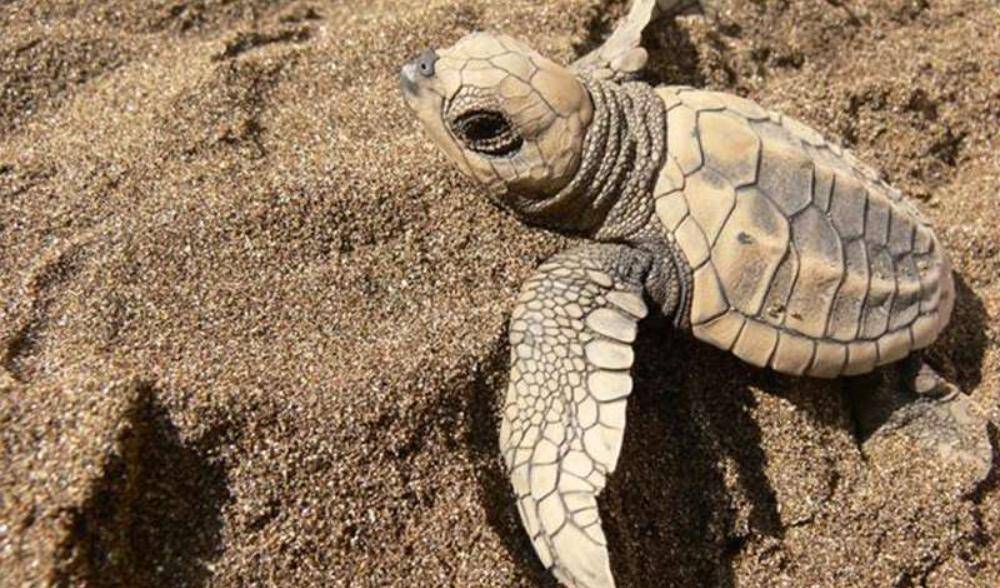
Imagine standing on a quiet, silver-sand beach at dawn, the Arabian Sea whispering at your feet. Suddenly, the sand moves, and dozens of tiny, coin-sized creatures emerge, instinctively scrambling toward the waves. This isn’t just a scene from a nature documentary—it is the heart of the Konkan Turtle Festival.
Held primarily in the coastal village of Velas (Ratnagiri district), this festival is a beautiful departure from traditional religious fairs. It is a celebration of life, survival, and the successful partnership between man and nature.
The History: From Poachers to Protectors
The story of the Konkan Turtle Festival is one of radical transformation.
The Dark Past: Decades ago, the Olive Ridley sea turtles that visited the Konkan coast faced a grim reality. Their eggs were frequently stolen for food, and the turtles themselves were often caught in fishing nets. The nesting population was dwindling fast.
The Turning Point: In the early 2000s, local NGOs (like Sahyadri Nisarga Mitra) and the Forest Department realized that the only way to save the turtles was to involve the local villagers. They turned conservation into a community celebration. Villagers who once took the eggs became their “guardians,” protecting the nests from predators and humans alike. Today, the festival is a world-renowned example of Community-Based Eco-Tourism.
Significance: Why Every Hatchling Matters
The Konkan Turtle Festival is globally significant for several reasons:
-
Marine Biodiversity: Olive Ridleys are “vulnerable” species. By protecting them, the festival helps maintain the health of the marine ecosystem.
-
Environmental Education: It turns tourists into “Earth Warriors,” teaching them about plastic pollution, climate change, and habitat loss.
-
Sustainable Livelihoods: The festival provides income for villagers through homestays, reducing their dependence on activities that harm the environment.
What to Do: An Eco-Traveler’s Checklist
If you’re visiting Velas or nearby beaches like Anjarle, here is your itinerary:
-
Witness the Release: The main event happens twice a day (early morning and late evening). You’ll see conservationists lift the baskets from the hatcheries and watch the babies crawl to the sea.
-
Stay in a Homestay: Forget luxury hotels. The real charm lies in staying with a local family, sleeping on traditional mats, and eating authentic Konkani vegetarian food.
-
Explore the Mangroves: Take a boat ride through the nearby mangroves to spot exotic birds and learn about the “roots of the sea.”
-
Photography & Stargazing: The Konkan coast has minimal light pollution, making it a paradise for astro-photography after the sun sets.
Important Rituals of Conservation
While there are no religious rituals, the “rituals of protection” are followed strictly:
-
The Hatchery Guard: Volunteers keep a 24/7 vigil over the fenced hatcheries to protect eggs from dogs, foxes, and crabs.
-
The Basket Lift: When the hatchlings emerge, they are carefully placed in baskets to be carried to the shoreline, ensuring they aren’t stepped on by eager tourists.
-
The Silent Watch: Tourists are asked to remain silent and avoid using flash photography, as lights can disorient the tiny turtles who follow the natural light of the horizon.
Who and When?
-
When: The festival doesn’t follow a calendar; it follows nature. It typically runs from February to April. Peak hatching usually occurs in March.
-
Who: Nature lovers, students, wildlife photographers, and families looking for a meaningful holiday. It is a favorite weekend getaway for people from Mumbai and Pune.
Interesting Facts to Make You a “Turtle Expert”
-
Magnetic Navigation: Female turtles return to the exact same beach where they were born to lay their own eggs, guided by the Earth’s magnetic field.
-
Temperature Matters: The gender of the baby turtles is determined by the temperature of the sand. Warmer sand produces females, while cooler sand produces males.
-
The Odds: Statistically, only 1 in 1,000 hatchlings survives to adulthood. Every single one you see reach the water is a small miracle.
Travel & Ethical Tips
-
No Plastic: Velas is a zero-waste conscious village. Avoid carrying plastic bottles or bags.
-
Respect the Boundaries: Never touch the turtles or get in their path to the sea.
-
Book in Advance: Because it’s a village-run event, homestays fill up months in advance during peak season.