
Luv Kush Jayanti
Luv Kush Jayanti falls on August it is mainly celebrated in North India to mark the birthday of the twin […]
Luv Kush Jayanti falls on August it is mainly celebrated in North India to mark the birthday of the twin sons of Lord Ram and Sita
The Legend of the Twin Princes: Celebrating Luv Kush Jayanti
In the vast tapestry of the Ramayana, few stories are as poignant and powerful as that of the twin brothers, Luv and Kush. Luv Kush Jayanti is the auspicious day dedicated to celebrating the birth of these valiant sons of Lord Rama and Mata Sita. It is a day that honors not just their lineage, but their extraordinary courage, wisdom, and the timeless values they represent.
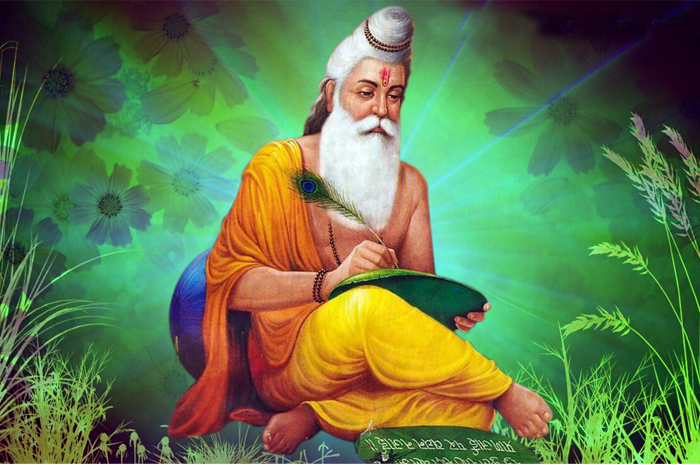
The Story of Valmiki’s Ashram: A Divine Birth
The history of Luv Kush Jayanti begins in the serene groves of Sage Valmiki’s ashram. Following the events of the Ramayana, Mata Sita sought refuge in the hermitage of the Adi Kavi (the first poet), Valmiki. It was here, amidst the Vedic chants and the beauty of nature, that she gave birth to her twin sons.
-
The Names: Sage Valmiki named them Luv and Kush. Interestingly, their names are derived from the sacred Kusha grass and Luv (the particles of the earth), symbolizing their deep connection to the natural world and the spiritual earth.
-
The Upbringing: Under the tutelage of Sage Valmiki, the boys were not just trained in weaponry and warfare (Shastra), but also in the Vedas and music (Shaastra). They were the first to sing the epic Ramayana, which Valmiki had composed, unaware that the hero of the story was their own father.
The Legend of the Ashwamedha Horse
One of the most thrilling chapters in their history is their confrontation with the army of Ayodhya. When Lord Rama performed the Ashwamedha Yagna (Horse Sacrifice), he released a ritual horse to roam the land. Whoever captured the horse challenged the authority of the Emperor.
Unaware of the political implications but driven by their warrior spirit, the young Luv and Kush captured the horse. They famously defeated the greatest warriors of Ayodhya—including Lakshmana, Bharata, and Shatrughna—proving that they were indeed the true heirs to the solar dynasty (Suryavansha). This legendary battle eventually led to the emotional reunion of Lord Rama with his sons and Mata Sita.
Significance: Why We Celebrate
Luv Kush Jayanti is more than a birthday celebration; it is a day to reflect on several core values:
-
Ideal Childhood: The twins are seen as the “Ideal Children”—obedient to their mother, respectful to their Guru, and fearless in the face of injustice.
-
Lineage and Pride: The community of Kushwahas and various other lineages across India trace their ancestry back to these twin princes, making this day a significant event for social and ancestral pride.
-
Literary Heritage: Since they were the first to recite the Ramayana, the day is also a celebration of oral traditions and the power of epic storytelling.
Rituals and Celebrations
Across India, particularly in North India and among the communities that revere the lineage of the twins, the day is marked with great devotion:
-
Puja and Shobha Yatra: Devotees organize grand processions (Shobha Yatras) featuring tableaus that depict scenes from the lives of Luv and Kush in the Valmiki ashram.
-
Recitation of Ramayana: Special sessions are held to sing or recite verses from the Ramayana, honoring the twins’ role as the original messengers of the epic.
-
Community Feasts: Large-scale community meals (Bhandaras) are organized to promote a sense of brotherhood and equality.
-
Traditional Sports: In some regions, wrestling matches and archery competitions are held to commemorate the physical prowess of the young princes.
The Traditional Palate
The food served during Luv Kush Jayanti is typically “Sattvic” (pure and simple), reflecting the forest life of the Valmiki ashram:
-
Panchamrit: A divine mixture of milk, curd, honey, ghee, and sugar.
-
Fruit Offerings: Fresh seasonal fruits, symbolizing the forest produce Mata Sita and the twins lived on.
-
Halwa and Puri: Common celebratory prasad distributed to devotees.
Modern Relevance
Today, Luv Kush Jayanti serves as a reminder of the strength of a single mother (Mata Sita) and the importance of a holistic education. In a modern context, the festival encourages the youth to balance academic knowledge with physical fitness and moral integrity.
Quick Reference Guide
| Feature | Details |
| Main Figures | Luv and Kush (Sons of Lord Rama and Mata Sita) |
| Birthplace | Rishi Valmiki’s Ashram (Bithoor or Amritsar traditions) |
| Key Symbol | The Ashwamedha Horse and the Bow |
| Primary Theme | Courage, Lineage, and Vedic Knowledge |
| Social Significance | Major festival for the Kushwaha and Maurya communities |
लव कुश जयंती के बारे में हिंदी में पढ़ने के लिये यहां क्लिक करें