
Valmiki Jayanti Celebrations: A Guide to Rituals, Traditions, and Global Observance
Valmiki Jayanti, also known as Pragat Diwas, is celebrated with immense fervor to honor the birth of Maharishi Valmiki, the […]
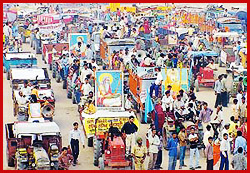
Valmiki Jayanti, also known as Pragat Diwas, is celebrated with immense fervor to honor the birth of Maharishi Valmiki, the author of the Ramayana. While the festival is observed across India, it holds a deep-rooted significance in Northern states like Punjab, Haryana, Delhi, and Uttar Pradesh. The celebration is a unique blend of Vedic solemnity and vibrant public displays of faith.
1. Morning Rituals and Spiritual Observance
The day typically begins at dawn with a focus on purification and prayer.
-
The Holy Dip: In places like Amritsar (Ram Tirath), devotees gather at the sacred sarovar (tank) for a holy dip. It is believed that bathing in these waters on the day of Ashwin Purnima washes away past sins.
-
Akhand Path (Non-stop Recitation): Many Valmiki temples and community centers organize a 24-hour continuous recitation of the Sanskrit Ramayana. Listening to these verses is considered a path to mental peace and spiritual growth.
-
Aarti and Puja: Special prayers are offered to the idol of Maharishi Valmiki. The temples are beautifully decorated with marigold flowers and traditional oil lamps (Diyas), creating a serene and divine atmosphere.
2. The Shobha Yatra: A Public Display of Devotion
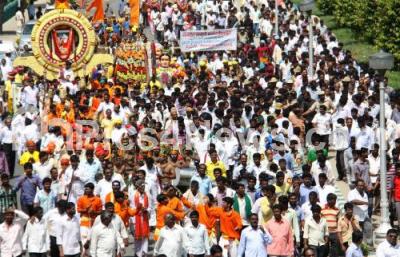
The most visible and energetic part of the celebration is the Shobha Yatra (Grand Procession).
-
Tableaus (Jhanksis): Elaborate floats are prepared, depicting scenes from the life of Valmiki or key moments from the Ramayana, such as the education of Luv and Kush.
-
Chanting and Music: Thousands of devotees walk through the streets chanting “Jai Valmiki” and “Jo Bole So Nirbhay.” Bands play devotional music, and saffron flags (representing sacrifice and purity) are carried with pride.
-
Langar (Community Feast): Following the principle of Sarvodaya (upliftment of all), free meals are served to the public. These community kitchens operate throughout the day, ensuring that no one goes hungry on the Sage’s birthday.
3. Geographical Highlights of the Celebration
Celebrations vary slightly across different regions of India:
| Region | Key Celebration Feature |
| Punjab (Amritsar) | The epicenter of celebrations at Ram Tirath Sthal. It features a massive four-day fair and state-level government events. |
| Delhi | Major temples like the Valmiki Mandir at Mandir Marg are visited by political leaders and thousands of citizens. |
| Uttar Pradesh | Cities like Varanasi and Bithoor host deep-lighting ceremonies (Deepdan) along the river banks. |
| Madhya Pradesh | Extensive cultural programs and plays (Ramleela) based on Valmiki’s original text are performed. |
4. Significance of the Celebration in 2026
In the modern context, Valmiki Jayanti has evolved beyond a religious ritual into a day of Social Justice and Equality.
-
The Message of Transformation: The celebration serves as a reminder that Maharishi Valmiki was a “transformed” soul, proving that one’s birth or background does not dictate their spiritual destiny.
-
Literary Tribute: It is a day to celebrate the Sanskrit language and the birth of the Shloka meter, which changed the course of world literature.
5. Frequently Asked Questions (SEO FAQ)
Q: Why is Valmiki Jayanti called Pragat Diwas?
A: “Pragat” means “to appear” or “to become manifest.” The term is used because devotees believe the Sage’s birth was a divine appearance intended to guide humanity toward righteousness.
Q: Is Valmiki Jayanti a public holiday?
A: Yes, it is a gazetted holiday in several Indian states. In states like Punjab and Haryana, all government offices, schools, and banks remain closed.
Q: What is the main food served on this day?
A: There is no specific “required” dish, but traditional North Indian meals like Chole-Puri, Halwa, and Kheer are common in the community Langars.
Q: Can non-Hindus participate in the celebrations?
A: Absolutely. Valmiki’s message of truth and compassion is universal. The Shobha Yatras and Langars are open to people of all faiths and backgrounds.
6. How to Celebrate at Home
If you cannot visit a temple, you can still honor the Maharishi at home:
-
Light a lamp in front of a portrait of Maharishi Valmiki.
-
Read a few verses or a summary of the Ramayana.
-
Practice a “Maun Vrat” (Vow of Silence) for a few hours to meditate on the concept of Satya (Truth).
-
Donate food or educational books to a child in need, honoring the Sage’s role as a Guru.