
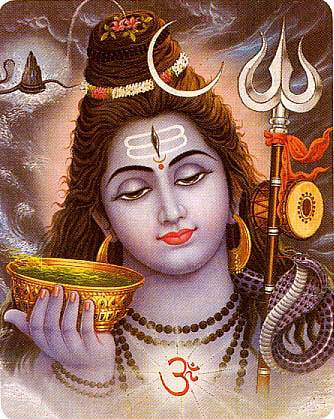
Maha Shivratri, “The Great Night of Shiva,” is one of the most sacred festivals in the Hindu calendar. Celebrated on the 14th day of the dark fortnight (Krishna Paksha) in the month of Phalguna, it marks a night of deep meditation, fasting, and spiritual awakening. Unlike other festivals that focus on outer celebration, Maha Shivratri is an invitation to turn inward and align with the cosmic energy of Lord Shiva.
Maha Shivratri 2026: Key Dates and Timings
In 2026, Maha Shivratri will be observed on Sunday, February 15. Because the core of the festival involves the Nishita Kaal (Midnight) puja, the most critical rituals will take place during the night between Sunday and Monday.
-
Maha Shivratri Date: Sunday, February 15, 2026
-
Chaturdahsi Tithi Begins: 05:04 PM on February 15
-
Chaturdashi Tithi Ends: 05:34 PM on February 16
-
Nishita Kaal Puja Muhurat: 12:09 AM to 01:01 AM (Feb 16)
-
Shivratri Parana (Fast Breaking): 06:59 AM to 03:24 PM (Feb 16)
The Four Prahars of Puja (New Delhi Timings)
For those observing the night-long vigil (Jagran), the night is divided into four quarters, each with its own significance:
-
First Prahar: 06:11 PM to 09:23 PM (Feb 15)
-
Second Prahar: 09:23 PM to 12:35 AM (Feb 15–16)
-
Third Prahar: 12:35 AM to 03:47 AM (Feb 16)
-
Fourth Prahar: 03:47 AM to 06:59 AM (Feb 16)
The Three Pillars of Shivratri Mythology
-
The Divine Marriage: Most famously, this night celebrates the wedding of Lord Shiva and Goddess Parvati. It represents the union of Purusha (Consciousness) and Prakriti (Energy), marking the balance between the masculine and feminine forces of the universe.
-
The Neelkanth Legend: During the Samudra Manthan (Churning of the Ocean), a lethal poison called Halahala emerged. To save the world, Shiva consumed the poison, holding it in his throat, which turned blue. This night commemorates his role as the ultimate protector.
-
The Cosmic Tandava: It is believed that on this night, Lord Shiva performs the Tandava—the dance of creation, preservation, and destruction. Devotees stay awake to remain conscious of this rhythmic pulse of the universe.
Essential Rituals and Their Significance
-
Rudrabhishek: The ritual bathing of the Shiva Lingam with milk, honey, yogurt, and water. This is performed to purify the soul and seek blessings for health and prosperity.
-
Offering of Bilva Leaves: The trifoliate leaf of the Bilva tree is sacred to Shiva, representing the three eyes of the Lord or the three Gunas (Sattva, Rajas, and Tamas).
-
Jagran (Night Vigil): Staying awake throughout the night is not just a physical feat but a symbolic gesture of overcoming Tamas (ignorance and inertia).
-
Panchamrit: A mixture of five sacred elements (milk, curd, honey, ghee, and sugar) is used in the puja and later distributed as Prasad.
Why Observe the Fast?
The Maha Shivratri fast (Vrat) is a method of detoxification—both physical and mental. By refraining from heavy food and focusing on the mantra “Om Namah Shivaya,” devotees attempt to achieve a state of Shunya (nothingness), which is the essence of Shiva.
Planning Your Visit
With the festival falling on a Sunday, major temples like Kashi Vishwanath (Varanasi), Mahakaleshwar (Ujjain), and Somnath (Gujarat) will see record-breaking crowds. If you are planning a pilgrimage:
-
Digital Darshan: Many temples will offer live streaming for the Nishita Kaal rituals.
-
Travel: Secure your travel and “Darshan” passes early, as Sunday crowds typically increase by 40-50% compared to weekday observances.