
The New Year’s Day Feast: A Global Culinary Map of Luck and Prosperity
New Year s Day Food, Food traditions for New Year, New Year s Day Meal, Menu for New Year s […]
New Year s Day Food, Food traditions for New Year, New Year s Day Meal, Menu for New Year s Day, What to eat on New Years Day
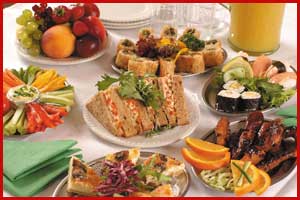
They say we are what we eat, but on New Year’s Day, we eat what we want to become.
Across the globe, the first meal of the year is never just about nutrition; it is a delicious form of “edible magic.” From long noodles symbolizing a long life to round fruits representing cold, hard cash, the New Year’s Day menu is designed to manifest a better future.
Whether you are looking for a tradition to adopt or simply curious about why the world eats what it does on January 1st, pull up a chair. Your seat at the global table is reserved.
Interactive: What is Your “Food Goal” for the Year?
Before you start cooking, what are you hoping to attract? Pick your “flavor” of the year:
-
Seeking Wealth? Look for greens and “coin-shaped” foods.
-
Seeking Longevity? Focus on uncut noodles and grains.
-
Seeking Progress? Choose proteins that only move forward.
-
Seeking Joy? It’s all about the honey and the sweets.
1. The Legumes of Luxury: Eating for Wealth
In many cultures, the secret to a fat wallet starts with a humble bean. Because beans and lentils swell when cooked, they have become a universal symbol of growing prosperity.
-
Hoppin’ John (USA): In the Southern United States, a bowl of black-eyed peas represents coins, while the accompanying collard greens represent green dollar bills.
-
Lentils (Italy/Brazil): Italians often enjoy Cotechino con Lenticchie (pork sausage with lentils). Since lentils resemble tiny Roman coins, the more you eat, the “richer” you’ll be.
-
Dal (India): Starting the day with a bowl of warm dal or sweet Holige/Puran Poli filled with lentils ensures a year of abundance and “fullness.”
2. Forward Momentum: Why Pork Wins (and Chicken Loses)
Have you ever noticed that you rarely see chicken on a traditional New Year’s Day menu? There’s a strategic reason for that.
-
The Forward-Moving Pig: Pigs root forward with their snouts, symbolizing progress. In countries like Germany and Austria, pork is a New Year’s staple because it represents a “forward-moving” year.
-
The “Scratching” Chicken: Many cultures avoid poultry on January 1st because birds scratch backward in the dirt. The superstition? If you eat chicken, you might spend the year “scratching for a living” or dwelling on the past.
3. Grains and Noodles: The Story of Longevity
In Asian cultures, the physical shape of the food tells a story about the length of your life.
-
Toshikoshi Soba (Japan): These “year-crossing” buckwheat noodles are long and thin. The tradition? You must eat them without breaking or cutting them. The longer the noodle you can slurp, the longer your life will be.
-
Rice Cakes (Korea/China): Tteokguk (Korean rice cake soup) features round, coin-like slices of rice cake. Eating a bowl is often joked to be the official way to turn one year older and wiser.
4. The Global “Sweet Tooth” Start
If you want a “sweet” year, you have to start with a sweet palate.
-
Vasilopita (Greece): A sweet bread baked with a hidden coin inside. The person who finds the coin in their slice is considered the luckiest person in the family for the next 12 months.
-
Oliebollen (Netherlands): These “oil balls” (deep-fried dough balls with raisins) are a New Year’s Day essential. Legend has it they protect you from the sword of a Germanic goddess—modern fans just love them because they are delicious.
-
Payasam/Kheer (India): A creamy, sweet pudding made with rice or vermicelli. Starting the first morning with a bowl of Payasam ensures that your words and experiences remain “Madhuram” (sweet) all year long.
5. The Pro-Host’s Menu Guide: How to Balance the Plate
| Dish Category | Symbolic Meaning | Best Served As… |
| Leafy Greens | Financial Growth | A fresh salad or sautéed kale/spinach. |
| Round Fruits | Fullness of Life | A bowl of 12 grapes or citrus fruits. |
| Fish | Progress/Abundance | Steamed whole fish (scales represent coins). |
| Whole Grains | Stability | A hearty risotto or a bowl of spiced pilaf. |
Join the Foodie Conversation: Your First Bite?
What was the very first thing you ate today? Was it a conscious choice for luck, or just a really good cup of coffee?
Every culture uses food to bridge the gap between “what is” and “what could be.” As you enjoy your New Year’s Day meal, remember that you aren’t just eating a dish—you’re participating in a global prayer for a better, brighter, and tastier year.
Share your traditional New Year’s Day recipe in the comments below!