
Poila Boisakh
Poila Boisakh festival is the Bengali New Year, Poila Baisakh falls on 15 April, Celebrations of Poila Baisakh in Bengal, […]
Poila Boisakh festival is the Bengali New Year, Poila Baisakh falls on 15 April, Celebrations of Poila Baisakh in Bengal, Legend of Poila Baisakh
Poila Baisakh, the Bengali New Year, is more than just a date on the calendar; it is the heartbeat of Bengal. Marking the first day of the month of Baisakh, it represents a fresh start, a celebration of soil and soul, and a deep-seated pride in a culture that spans across West Bengal, Tripura, and Bangladesh.
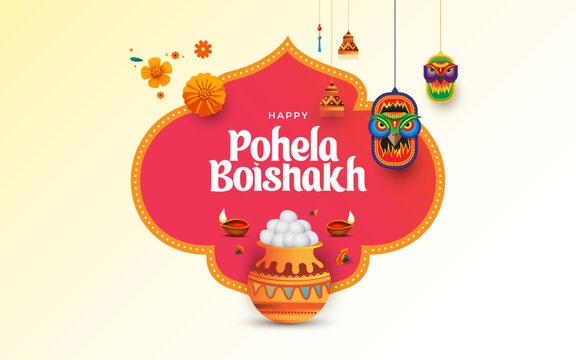
When is it Celebrated?
The festival typically falls on the 14th or 15th of April each year. It marks the commencement of the solar calendar. In the hearts of the people, the arrival of the spring breeze and the blooming of the Krishnachura trees are the natural signals that Poila Baisakh has arrived.
The History: A Blend of Harvest and Royalty
The history of Poila Baisakh is a fascinating mix of agricultural necessity and imperial decree.
-
The Mughal Connection: Legend has it that Emperor Akbar introduced the Bengali calendar (Bangabda) to ease tax collection. Since the Islamic Hijri calendar followed the lunar cycle, it didn’t match the harvest seasons. Akbar asked the royal astronomer to create a new calendar that blended the lunar and solar systems, allowing farmers to pay their taxes after the spring harvest.
-
The Cultural Rebirth: Over centuries, this administrative tool transformed into a cultural identity. It became a day when the common man celebrated his labor and the merchant celebrated his fortune.
Significance: The “Haal Khata” and New Beginnings
The word Poila means “First” and Baisakh is the first month of the Bengali calendar.
-
The Spirit of Renewal: It is a day to leave behind the sorrows and debts of the past year.
-
Business Traditions: For the business community, the significance lies in the Haal Khata. Shopkeepers close their old ledgers and open new ones. Customers are invited, treated to sweets, and old debts are settled with a smile, fostering a relationship of trust for the coming year.
How it is Celebrated: Rituals and Traditions
The day begins early, often before the sun is fully up.
-
The Holy Dip: Many start their day with a ritual bath in the Ganges or a nearby river to purify the soul.
-
Alpona: Homes are cleaned and decorated with beautiful Alpona (traditional floor art made from rice paste).
-
Prayers: Families visit temples—most notably Kalighat or Dakshineswar in Kolkata—to seek blessings for the new year. New clothes, known as Naba Barsha attire, are a must, with people traditionally wearing white and red or vibrant cotton sarees and panjabis.
A Feast for the Senses: The Food
You cannot talk about Poila Baisakh without mentioning the grand Bengali Thali. Food is the primary language of love on this day.
-
The Morning Starter: Many homes start with Luchi (puffed bread) and Alur Dom.
-
The Grand Lunch: This is a marathon of flavors involving Chital Macher Muitha, Ilish Maach (Hilsa), or Khosha Mangsho (slow-cooked mutton).
-
Side Delicacies: Dhokar Dalna, Shukto (a bitter-sweet vegetable stew), and various types of Bhaja (fritters) fill the plate.
-
The Sweet Ending: The celebration concludes with Rosogolla, Mishti Doi, and Payesh (rice pudding).
Celebration Across Generations: For Every Age
Poila Baisakh is a rare festival that bridges the gap between the old and the young with effortless grace.
-
The Elders: For the seniors, the day is about nostalgia. They lead the family in prayers, visit the local shops for the Haal Khata sweets, and ensure that every traditional ritual is followed to the letter.
-
The Youth: For the younger generation, it is a day of “Boishakhi Mela” (fairs). They dress up in traditional finery, meet friends at coffee houses, and attend cultural programs featuring Rabindra Sangeet and poetry recitals.
-
The Children: For kids, it’s a day of freedom—new clothes, no school, and an endless supply of sweets and gifts from relatives (often in the form of Pnami or elders’ blessings).
The Storytelling Format: The First Morning
Imagine waking up to the smell of incense and the sound of a conch shell echoing through the neighborhood. Your grandmother is at the door, carefully painting white lotuses on the floor. You put on a crisp new cotton shirt that smells of the sun.
As you walk down the street, every shop is decorated with marigold flowers. You enter a small stationery shop where you’ve bought pens all year; today, the shopkeeper doesn’t ask for money. Instead, he hands you a packet of Shondesh and a new calendar. He smiles and says, “Shubho Noboborsho” (Happy New Year). In that moment, the entire city feels like one giant family, connected by a thread of history that refuses to fade.
Poila Baisakh is not just a festival; it is the “Bengali way of life” wrapped in a single day of joy, food, and togetherness.
इस आर्टिकल को हिंदी में पढ़ने के लिए यहां क्लिक करें