
Poush Mela
Poush Mela is one of the major fairs organized at Shantiniketan which attracts a large number of tourists and will […]
Poush Mela is one of the major fairs organized at Shantiniketan which attracts a large number of tourists and will be celebrated in West Bengal
The Spirit of Shantiniketan: A Guide to the Poush Mela
Every year, as the winter chill settles over the red soil of Birbhum, the town of Shantiniketan prepares for a transformation. Poush Mela is not just a fair; it is a living bridge between the past and the present, a legacy left behind by the Tagore family that continues to pulse with the heartbeat of Bengal.
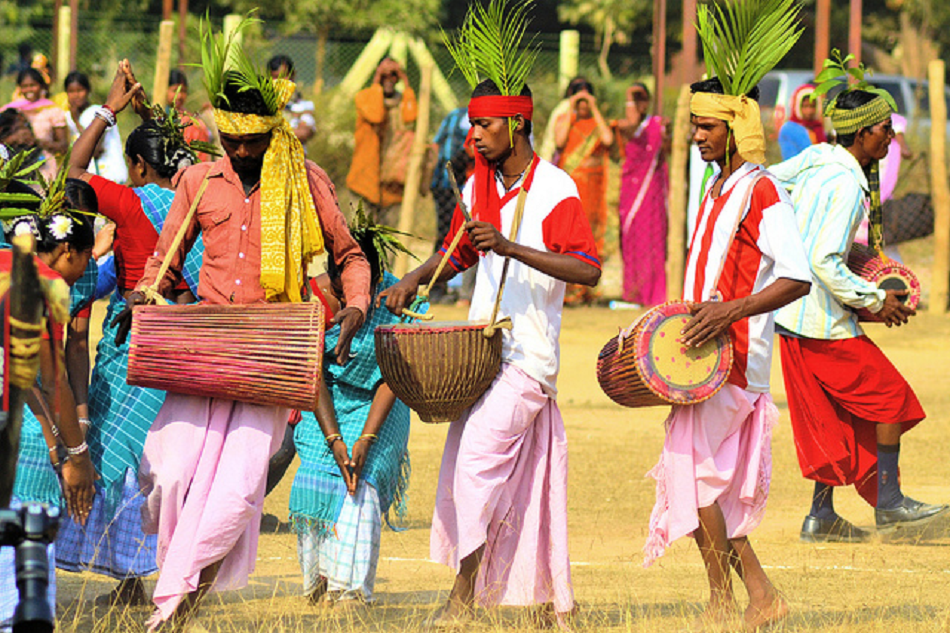
If you find yourself in the “Abode of Peace” during late December, you aren’t just visiting a market—you are stepping into a vision of cultural harmony that has thrived for over a century.
The Roots: From Spiritual Seeds to Cultural Canopy
The story of Poush Mela began on December 21, 1843 (the 7th of Poush in the Bengali calendar), when Maharshi Debendranath Tagore, the father of Rabindranath Tagore, formally accepted the Brahmo faith. To commemorate this spiritual milestone, a small fair was started.
Over the decades, under the guidance of Rabindranath Tagore, this religious gathering evolved. It became a platform where the “urban” students of Visva-Bharati University met the “rural” artisans of the surrounding villages. Today, it remains one of the few places on earth where high art and folk traditions blend so seamlessly.
When the Fair Comes to Life
While the official “Poush Utsav” begins on the 7th day of the Bengali month of Poush (usually falling between December 23rd and 25th), the air in Shantiniketan begins to change days in advance.
-
The Dawn of the Festival: The mela begins with “Vaitalik”—early morning processions where students and teachers walk through the ashram singing Vedic hymns and Tagore’s songs.
-
The Chhatimtala Prayer: A solemn prayer meeting takes place under the historic Chhatim tree, the very spot where Maharshi Debendranath Tagore found the peace that gave Shantiniketan its name.
What Makes Poush Mela Unique?
1. The Soul of the Bauls
The most iconic sound of Poush Mela is the ektara. You will find Baul singers—the mystic minstrels of Bengal—in their saffron robes, performing under the shade of trees. Their music, which speaks of a god that lives within the human heart rather than in temples, is the spiritual backbone of the festival.
2. The Masterpieces of Rural Artisans
The fairgrounds are a sprawling gallery of Bengal’s finest craftsmanship.
-
Kantha Embroidery: Exquisite hand-stitched quilts and sarees.
-
Dokra Art: Ancient lost-wax metal casting that produces hauntingly beautiful figurines.
-
Battik and Leather Work: Shantiniketan is world-famous for its unique embossed leather bags and batik-print textiles.
Shopping here is a personal experience; you are often buying directly from the artist who spent weeks creating the piece.
3. A Feast for the Senses
You cannot experience Poush Mela without tasting the winter flavors of Bengal. The stalls are filled with “Pithe”—traditional rice cakes made with fresh date palm jaggery (Nolen Gur). From the smoky aroma of wood-fired kitchens to the sweetness of local “Patishapta,” the food is as much a part of the heritage as the music.
A Practical Guide for the Modern Traveler
If you are planning to join the festivities, here is how to navigate the experience like a local:
-
The Timing: The fair officially lasts for three days, but the “Bhanga Mela” (the broken fair) often continues for several days after. This later period is often quieter and preferred by those looking for a more relaxed shopping experience.
-
Getting Around: Shantiniketan is best explored on foot or by “Toto” (electric rickshaws). During the mela, the streets are vibrant and crowded; walking allows you to soak in the impromptu street performances.
-
The Weather: December in Birbhum is crisp. The days are sunny and pleasant, but the temperature drops significantly at night. A light shawl or a jacket is a must.
-
Stay in Touch with Nature: Shantiniketan was built on the philosophy of open-air learning. Respect the ashram’s quiet zones and try to spend a few moments in the Uttarayan complex to truly feel the Tagore legacy.
Why Poush Mela Matters Today
In an era of digital shopping and globalized culture, Poush Mela remains a stubborn, beautiful reminder of the “soil.” It is a celebration of the human hand, the human voice, and the human spirit.
Whether you are there for the soulful Baul songs, the intricate terracotta jewelry, or simply to witness the sunset over the Khoai region, Poush Mela leaves you with a sense of belonging. It is a reminder that no matter how far we travel, there is always a path back to our roots.
इस आर्टिकल को हिंदी में पढ़ने के लिए यहां क्लिक करें