
The Grandeur of Ramlila: Celebration Guide
Ramlila celebrations in India, Ramlila in Dussehra Festival, Special Ramlila of Ramnagar, Rituals behind Ramlila Celebrations A Multi-Sensory Journey through […]
Ramlila celebrations in India, Ramlila in Dussehra Festival, Special Ramlila of Ramnagar, Rituals behind Ramlila Celebrations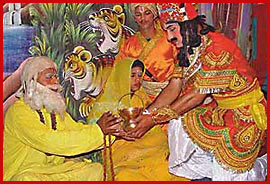
A Multi-Sensory Journey through India’s Greatest Heroic Saga
Ramlila is more than a theatrical performance; it is a sprawling, 10-day cultural odyssey that transforms the streets of India into a divine stage. In 2026, this UNESCO-recognized Intangible Cultural Heritage continues to bridge the gap between ancient scripture and modern spectacle, retelling the life of Lord Rama through song, dance, and the ultimate triumph of Dharma.
The 2026 Festival Calendar
The primary celebrations follow the lunar cycle of the Ashwin month, peaking during the vibrant period of Sharad Navratri.
-
Festival Start: Sunday, October 11, 2026 (Pratipada)
-
The Climax (Dussehra): Tuesday, October 20, 2026 (Vijayadashami)
-
Ramnagar Special: In Varanasi, the world-famous 31-day cycle begins earlier, spanning a full month of immersive storytelling.
1. The Soul of the Performance: Tulsidas’s Legacy
While the original Ramayana was written in Sanskrit by Valmiki, modern Ramlila is powered by the Ramcharitmanas, composed by the 16th-century poet-saint Tulsidas.
-
The Language of the People: By writing in Awadhi, Tulsidas brought the divine story out of elite circles and into the hearts of the common man.
-
The Ramayanis: Every show is anchored by a chorus of singers (Ramayanis) who chant the sacred verses in a rhythmic, trancelike melody while actors bring the scenes to life.
2. Iconic Venues: Where History Meets the Stage
These locations remain the “gold standard” for experiencing Ramlila:
| Venue | The Experience | Why it’s Special |
| Ramnagar (Varanasi) | The Original Epic | No microphones, no electric lights. The entire town serves as a set, with the audience moving from one “location” (Ayodhya, Lanka) to the next. |
| Red Fort (Delhi) | The Modern Grandeur | High-production values featuring Bollywood actors, advanced pyrotechnics, and the iconic burning of 100-foot effigies. |
| Almora (Uttarakhand) | The Musical Opera | Famous for the “Musical Ramlila,” where the entire epic is sung in classical Hindustani Ragas. |
| Ayodhya | The Spiritual Source | Celebrated at the birthplace of Lord Rama, focusing on traditional purity and deep-rooted rituals at the Lakshman Kila. |
3. The Ritual of Transformation
The celebration involves unique traditions that turn actors into icons:
-
Swaroops (Living Deities): The lead actors (usually young boys) undergo a period of strict austerity. During the 10 days, they are treated not as children but as the living embodiments of Rama, Sita, and Lakshmana.
-
Shastra Puja: On the final day, the weapons of the “monkey army” (Vanar Sena) are worshipped before the final battle begins.
-
Communal Harmony: In places like Lucknow, Muslim artisans have for generations been the master craftsmen behind the elaborate masks and the towering effigies of Ravana.
4. The Grand Finale: Ravana Dahan (Dussehra)
The festival reaches its explosive peak on October
-
The Burning of Evil: Towering effigies of Ravana, Kumbhakarna, and Meghnada—filled with crackers—are set ablaze to symbolize the destruction of the 10 vices: Ego, Attachment, Greed, and more.
-
Tech-Trend: Many urban committees are now using “Green Effigies” or laser-light displays to honor the environment while keeping the spirit of the celebration alive.
5. Essential Tips for Travelers in 2026
-
Dress Code: Wear comfortable, modest clothing. You will likely be sitting on the ground or standing in large crowds.
-
The Mela Atmosphere: Every Ramlila ground is surrounded by a Mela (fair). Try the “Mela Halwa,” Jalebis, and traditional wooden toys.
-
Varanasi Access: To see the Ramnagar Ramlila, cross the Ganges by boat at sunset for the most atmospheric experience.