
The Significance of Ramlila: A Moral and Spiritual Compass
Significance and Importance of Ramlila, Importance of Ramlila for children, Maryada Purshottam Ram Significance, Shri Ram RamlilaWhy the World’s Oldest […]
Significance and Importance of Ramlila, Importance of Ramlila for children, Maryada Purshottam Ram Significance, Shri Ram Ramlila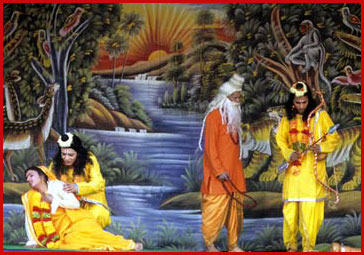 Why the World’s Oldest Epic Remains Relevant
Ramlila is far more than a theatrical reenactment of the Ramcharitmanas; it is a profound cultural mechanism that reinforces the ethical foundations of Indian society. Its significance lies in its ability to transform an ancient text into a living, breathing classroom where Dharma (righteousness) is debated, displayed, and celebrated by the masses.
The Core Message for Todays Generation
In an era of rapid digital change, the significance of Ramlila in centers on stability, ethics, and the power of truth. It serves as a reminder that while the forms of evil change, the path to victory remains rooted in character and discipline.
1. The Triumph of Dharma over Adharma
The primary significance of Ramlila is the celebration of Vijayadashami (The Day of Victory).
-
The Internal Battle: On a spiritual level, the ten heads of Ravana represent ten human vices: Lust, Anger, Greed, Attachment, Pride, Envy, Selfishness, Injustice, Cruelty, and Ego. The burning of the effigy symbolizes the destruction of these traits within oneself.
-
The External Battle: It reassures the community that no matter how powerful or learned an oppressor (like Ravana) may be, they will eventually fall before the simple, steadfast truth of a righteous man (like Rama).
2. The Ideal Social Order: Ram Rajya
Ramlila introduces the concept of Ram Rajya—a utopian state where there is no fear, poverty, or discrimination.
-
Leadership and Sacrifice: Rama’s willingness to give up his throne for his father’s word and his brother’s love provides a blueprint for selfless leadership.
-
Brotherhood and Loyalty: The bonds between Rama, Lakshmana, and Bharata emphasize family integrity, while the friendship with Sugriva and Hanuman highlights the importance of loyalty across different social strata.
3. Cultural Preservation and Intangible Heritage
Recognized by UNESCO, Ramlila is a vital link to India’s artistic past.
-
Linguistic Heritage: By using the Awadhi dialect of the Ramcharitmanas, Ramlila keeps a 500-year-old literary tradition alive in the ears of the modern youth.
-
Artisanal Continuity: The festival sustains thousands of hereditary craftsmen—mask makers, effigy builders, and traditional musicians—who pass their skills down through generations.
4. Socio-Communal Significance: The Bridge of Harmony
One of the most beautiful aspects of Ramlila is its power to unite diverse communities.
-
Interfaith Collaboration: In many cities, Muslim artisans have for centuries been the primary creators of the Ravana effigies. This collaboration turns Ramlila into a symbol of National Integration.
-
Community Bonding: Entire neighborhoods participate in the planning, funding, and execution of the local Ramlila, strengthening the social fabric of the village or city.
5. Educational and Psychological Impact
For children, Ramlila is a “floating classroom.”
-
Moral Anchoring: It provides young minds with heroes who choose the difficult right over the easy wrong.
-
Collective Catharsis: The final act of Ravana Dahan provides a psychological release for the community—a collective sigh of relief that justice has been served, resetting the moral clock for the year ahead.
6. Professional Snapshot
| Category | Significance Detail |
| Philosophical | Re-establishment of the Code of Ethics (Dharma). |
| Psychological | Overcoming internal vices represented by Ravana’s 10 heads. |
| Social | Promoting communal harmony and neighborhood bonding. |
| Global | Recognized as a Masterpiece of Oral and Intangible Heritage. |