
Beating Retreat
Beating Retreat, Beating Retreat at Vijay Chowk (New Delhi), 29th January Beating Retreat, Beating Retreat for Republic Day The Beating Retreat […]
Beating Retreat, Beating Retreat at Vijay Chowk (New Delhi), 29th January Beating Retreat, Beating Retreat for Republic Day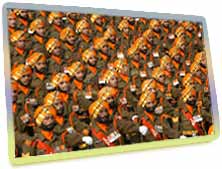
The Beating Retreat Ceremony, held every year on 29th January at Vijay Chowk, New Delhi, marks the formal conclusion of the Republic Day celebrations. It is one of the most elegant and emotionally stirring military traditions in India, blending discipline, music, heritage, and national pride.
The ceremony traces its origin to old battlefield practices when troops would be recalled from combat at sunset through the beating of drums or the sounding of bugles. Over time, this practical signal transformed into a ceremonial tradition that symbolises the end of duty, respect for service, and the peaceful close of national celebrations.
Arrival of the President & Dignitaries
The event begins with the arrival of the Hon’ble President of India, who is the Supreme Commander of the Armed Forces. The President is received by the chiefs of the Army, Navy, and Air Force. Senior government officials, defence officers, diplomats, and distinguished guests are already seated as the atmosphere becomes solemn and expectant.
Opening March & Band Performances
Selected contingents of the Indian Army, Navy, Air Force, and other regimental bands march into Vijay Chowk in perfect formation. Each band takes turns performing classical military tunes, regimental marches, and traditional compositions.
The precision, synchronisation, and discipline of the musicians create a powerful visual and auditory experience, reflecting the professionalism of the armed forces.
Massed Bands Performance
As the ceremony progresses, all the bands assemble together for the Massed Bands performance. This is one of the highlights of the evening. The combined strength of the bands fills the entire area with majestic music, echoing across Rashtrapati Bhavan and the surrounding buildings. The performance is carefully choreographed and conducted with flawless timing.
The Retreat Call
After the massed performance, the tempo slows. A lone trumpeter steps forward and plays the traditional retreat call. This moment is deeply symbolic, representing the call for soldiers to withdraw from duty at sunset, just as it was done on historic battlefields.
The silence that follows adds to the emotional impact, creating a moment of reflection and respect.
“Abide With Me” – The Emotional Core
Next, the Massed Bands play the hymn “Abide With Me”, a composition closely associated with Mahatma Gandhi, who found great comfort in it. This tune brings a spiritual and reflective mood to the ceremony, reminding everyone of sacrifice, service, and the human side of military life.
This segment is often considered the emotional heart of the Beating Retreat ceremony.
Final Retreat & Lowering of the Flag
At exactly 6:00 pm, the buglers sound the final retreat. The National Flag is ceremonially lowered as the National Anthem, “Jana Gana Mana,” is played. The entire audience stands in respect. This marks the official end of the Republic Day celebrations.
Departure of the Troops
Following the lowering of the flag, the mounted troops, camel contingents, and marching units slowly withdraw from the ceremonial ground. Their disciplined exit against the evening sky is a powerful visual symbol of duty completed.
Illumination of Rashtrapati Bhavan
As the ceremony concludes, a magical transformation takes place. With the press of a button, Rashtrapati Bhavan, North Block, South Block, and nearby buildings are illuminated with thousands of lights. The glowing architecture against the night sky creates a breathtaking scene and serves as a grand, graceful finale to the celebrations.
Why the Beating Retreat Matters
The Beating Retreat is not merely a musical performance or a military display. It represents:
-
Respect for tradition and discipline
-
Honour for the armed forces
-
Reflection on sacrifice and service
-
The peaceful conclusion of national celebrations
It blends history, emotion, and ceremony into one unforgettable evening, reminding every citizen of the strength, dignity, and unity of the Indian Republic.