
Rishi Panchmi
Rishi Panchami is Hindu festival celebrated on 5th day of the Shukla Paksha of Bhadrapada in honor of Sapta Rishis […]
Rishi Panchami is Hindu festival celebrated on 5th day of the Shukla Paksha of Bhadrapada in honor of Sapta Rishis
Honoring the Seven Sages and the Path of Purification
Rishi Panchami is a significant Hindu festival dedicated to the Sapta Rishis—the seven great celestial sages who provided the foundation of Vedic wisdom and cultural heritage. Celebrated across India and Nepal, it is a day of gratitude, spiritual cleansing, and honoring one’s lineage or “Gotra.”
Key Details for 2026
-
Date: Tuesday, September 15, 2026
-
Tithi: Shukla Paksha Panchami of the Bhadrapada month.
-
Context: Observed two days after Hartalika Teej and one day after Ganesh Chaturthi.
The Sapta Rishis: The Seven Architects of Wisdom
On this day, devotees pay homage to the seven sages who are believed to be the mind-born sons of Brahma and the ancestors of all Hindu families. These sages are:
-
Kashyapa
-
Atri
-
Bharadhvaja
-
Vishvamitra
-
Gauthama
-
Jamadagni
-
Vashishta
These Rishis are credited with the composition of the four Vedas—Rigveda, Yajurveda, Samaveda, and Atharvaveda—which serve as the backbone of spiritual and social conduct in Hinduism.
Rituals of Purification and Worship
The essence of Rishi Panchami lies in the purification of the mind, body, and soul. The rituals are performed with great discipline:
-
Holy Bath: Devotees wake up during the Brahma Muhurta and take a ritual bath in holy rivers. Many use specific herbs like Upmarga (for cleaning teeth) and Datiwan to sanctify the body.
-
Internal Cleansing: In some traditions, a mixture of curd, milk, butter, and basil (Panchamrit) is consumed to symbolize inner purification.
-
Puja Ceremony: After the bath, a dedicated puja is performed for Lord Ganesha, the Navagrahas (nine planets), the Sapta Rishis, and Arundhati (the wife of Rishi Vashishta).
-
Fast (Vrat): A strict fast is observed by many, particularly women, to wash away sins acquired knowingly or unknowingly and to seek the blessings of the sages for their families.
Spiritual Significance: The Rajaswala Dosha
Rishi Panchami holds deep significance for women. Historically, it was observed to seek forgiveness for the “Rajaswala Dosha”—the accidental breaking of traditional rules regarding purity during menstrual cycles. By performing this Vrat with dedication, it is believed that one can cleanse the spiritual impurities and restore domestic harmony.
Regional Variations and Unique Customs
-
Nepal: Dedicated primarily to Lord Shiva, men and women fast and visit Shiva temples, often using the Datiwan herb for ritual baths.
-
Maheshwari Community: This community celebrates Rishi Panchami as the day of Raksha Bandhan, where sisters tie threads to their brothers.
-
North India: It often marks the final day of the long Hartalika Teej fast, concluding a three-day period of intense devotion.
-
Kerala: In certain regions, this day is synchronized with Vishwakarma Puja, honoring the divine architect.
The Legend of Rishi Panchami
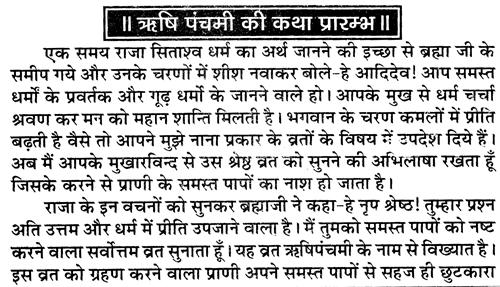
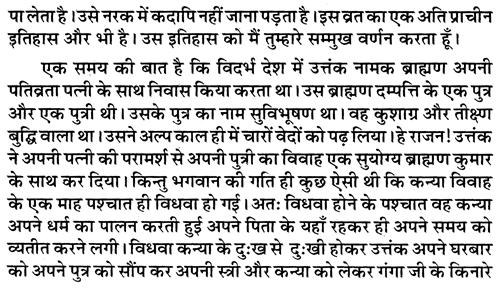
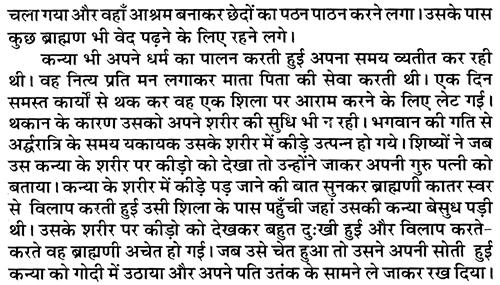
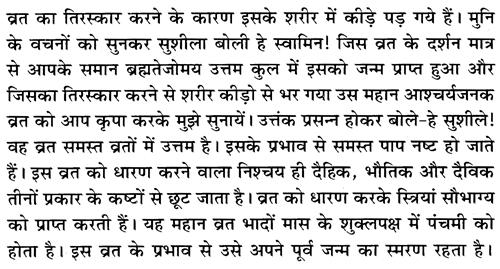
The importance of the day is often illustrated through the story of a Brahmin named Uttank and his wife Sushila. Their widowed daughter was suffering due to sins committed in a previous life—specifically, entering the kitchen during her menstrual period without following purification rites. Upon the advice of a learned sage, she performed the Rishi Panchami Vrat with full devotion, which successfully cleansed her soul and relieved her of her spiritual burden.
Frequently Asked Questions
Why is Rishi Panchami celebrated after Ganesh Chaturthi? The sequence of festivals in the month of Bhadrapada follows a cycle of birth (Ganesha), purification (Rishi Panchami), and devotion. It allows devotees to seek wisdom immediately after welcoming the remover of obstacles.
What is the connection between Rishis and Gotras? Hindus believe they are descendants of these great sages. Each “Gotra” is named after a specific Rishi, indicating the ancestral lineage of the family.
Can men observe the Rishi Panchami fast? Yes. While it is predominantly observed by women in many regions, men also observe it in Nepal and other parts of India to honor their ancestors and seek intellectual clarity.
ऋषि पंचमी के बारे में सरल भाषा हिंदी में जानिये, यहां क्लिक करें