
Sharif Bhagwati Fair
Sharif Bhagwati Fair falls in July, celebrated in Kashmir, this mela is a popular occasion with people flocking in from […]
Sharif Bhagwati Fair falls in July, celebrated in Kashmir, this mela is a popular occasion with people flocking in from all over for the fair
The Sharif Bhagwati Fair (also known as the Sharif Bhagwati Mela) is a vibrant and unique cultural event primarily celebrated in the Kashmir Valley. Unlike many other fairs, this event is a beautiful blend of Sufi traditions and local Hindu customs, symbolizing the “Kashmiriyat” (the pluralistic culture of Kashmir).
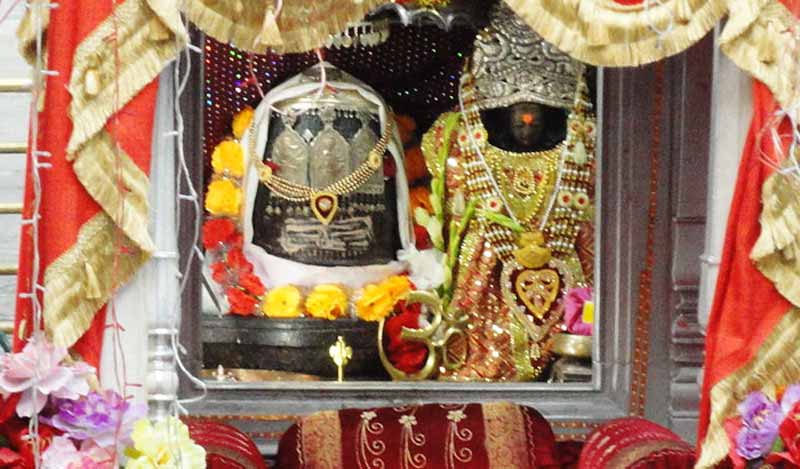
Below is the rewritten guide with the added topics to help you understand and experience the fair in its full glory.
1. When & Where it is Celebrated
-
Time: The fair is typically held in mid-July. This coincides with the pleasant summer season in the valley, making it accessible for tourists and locals alike.
-
Location: It is organized in various parts of the Kashmir Valley, often centered around shrines or scenic spots that hold religious significance. The atmosphere is enhanced by the natural beauty of Kashmir, often referred to as “Heaven on Earth.”
2. How it is Celebrated
The celebration starts with religious devotion and transitions into a grand social gathering.
-
Spiritual Start: The fair usually begins with special prayers and rituals dedicated to Sharif Bhagwati (often revered as a saint or divine figure).
-
Community Feast: A hallmark of the fair is the communal dining. Massive feasts are prepared, showcasing the diversity of Kashmiri cuisine and fostering a sense of unity.
-
Cultural Processions: You will see colorful processions featuring religious symbols, traditional floats, and groups of people singing devotional hymns.
3. Traditions & Customs
-
Traditional Attire: On this day, men and women wear the classic Pheran and Poost (heavy cloaks). Men often wear Mughal-style turbans or tall conical caps studded with shells and beads, while women accessorize with colorful scarves and Pashmina belts.
-
Dumhal Dance: A major tradition is the performance of the Dumhal, a famous folk dance performed by Kashmiri men. Dancers move in a circle to the beat of drums, wearing vibrant robes and conical caps.
-
The Tea Culture: Instead of typical desserts, a unique tradition here is the continuous serving of Kashmiri tea (Kahwa or Noon Chai), which acts as a palate cleanser and a way for people to bond.
4. Major Attractions in the Mela
-
The Handicraft Exhibition: The fair is a hub for world-renowned Kashmiri crafts. You can find:
-
Naqash Art: Ancient silver engraving where the price is determined by the intricacy of the weight.
-
Textiles: Hand-woven Pashmina shawls, silk carpets, and crewel embroidery.
-
Woodwork: Exquisite items carved from Walnut and Chinar wood.
-
-
Wrestling & Games: For the youth, traditional wrestling matches and local sports competitions are organized, drawing large, cheering crowds.
-
Amusement Rides: Like any grand Indian Mela, there are giant wheels, swings, and carousels that are particularly popular with children.
5. What to Do (Visitor Guide)
-
Taste the Wazwan: Don’t miss the grand feast. You can try authentic dishes like Rogan Josh, Yakhni, Matschgand, and Dum Aloo. (Note: The fair strictly observes local customs, so beef is not served).
-
Shop for Souvenirs: This is the best place to buy authentic Papier-mâché boxes, copperware, and hand-knotted carpets directly from the artisans at fair prices.
-
Photography: Capture the “blended culture”—the sight of traditional costumes against the backdrop of the Himalayan peaks is a photographer’s dream.
-
Participate in the “Chhabina”: If you are there during the evening, watch the Palkhi (palanquin) festival, which is often followed by a spectacular display of fireworks.
6. Significance of the Fair
The Sharif Bhagwati Fair serves as more than just an event; it is a symbol of humanity and tolerance. It brings together people of different faiths to celebrate a shared historical narrative, keeping the legends of the valley alive for the next generation.
इस आर्टिकल को हिंदी में पढ़ने के लिए यहां क्लिक करें