
Solar Eclipse (Surya Grahan)
Surya Grahan : Solar eclipse can occur only in new moon phase of the moon. The Cosmic Interplay of Shadow […]
Surya Grahan : Solar eclipse can occur only in new moon phase of the moon.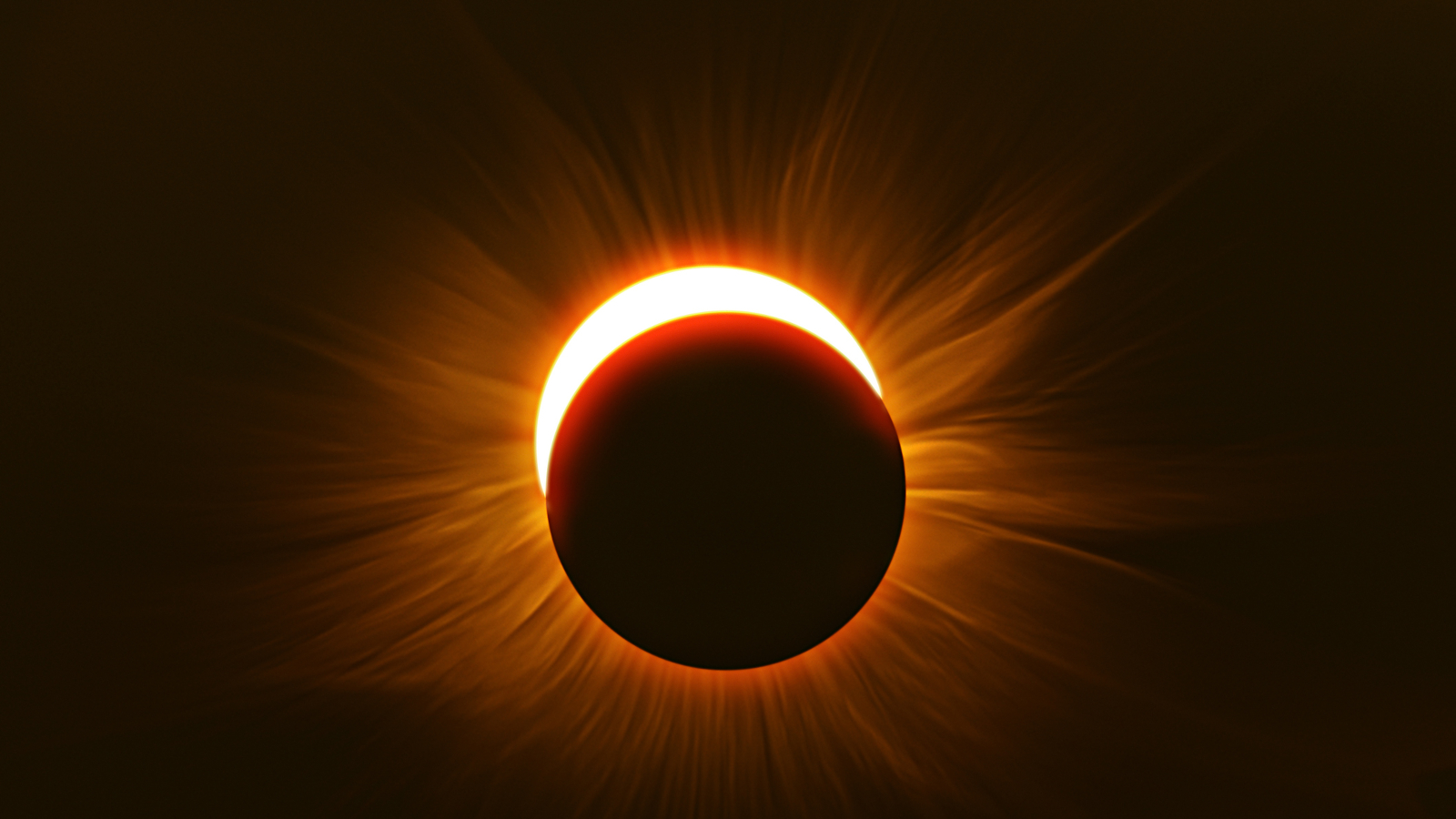
The Cosmic Interplay of Shadow and Spirit
In the Indian consciousness, a Solar Eclipse (or Surya Grahan) is far more than a passing celestial shadow; it is a profound “Riddham” (rhythm) of the universe that temporarily disrupts the natural order. While modern science defines it as the Moon intercepting the Sun’s light, Indian heritage views it as a moment of high-stakes cosmic transformation.
For millennia, India has navigated the eclipse through two distinct lenses: the Siddhantic (Scientific), where ancient astronomers like Aryabhata calculated its path with startling precision, and the Puranic (Mythological), where the event symbolizes the eternal struggle between the forces of light (Surya) and the shadows of the ego (Rahu). This creates a unique cultural atmosphere where the entire nation enters a state of collective pause, turning inward through fasting and meditation to emerge “renewed” once the Sun is liberated from the shadow.
1. The 2026 Eclipse Calendar
If you are planning to witness these events in 2026, here are the key dates. Note that visibility varies significantly by geography.
| Date | Type of Eclipse | Visibility Highlights | Visibility in India |
| Feb 17, 2026 | Annular (Ring of Fire) | Antarctica, Southern Africa, South America | None |
| Aug 12, 2026 | Total Solar Eclipse | Arctic, Greenland, Iceland, Northern Spain | None |
Note for India: Neither of the 2026 solar eclipses will be visible from the Indian subcontinent. Consequently, the traditional Sutak (period of ritual impurity) and temple closures typically practiced in India will not be observed for these specific dates.
2. The Science of the “Ring of Fire”
The February 17, 2026 event is an Annular Eclipse. This occurs when the Moon is near its apogee (the point in its orbit farthest from Earth). Because it appears smaller in the sky, it cannot completely cover the Sun’s disk, leaving a thin, blazing outer border visible.
3. Scientific Safety: How to Observe
Whether you are traveling to Spain for the total eclipse or watching a partial one elsewhere, your eyes have no pain receptors to warn you of “retinal smell”—actual burning of the eye tissue.
The Gold Standard: ISO 12312-2
-
Certification: Only use glasses labeled with the ISO 12312-2 international safety standard.
-
Sunglasses are NOT enough: Even the darkest polarized sunglasses transmit thousands of times too much sunlight.
Indirect Viewing: The Pinhole Projector
If you don’t have glasses, use the Pinhole Method:
-
Punch a small hole in a piece of cardstock.
-
With your back to the sun, hold the card up and let the sunlight pass through the hole onto a second piece of paper or the ground.
-
The “dot” of light will mirror the crescent shape of the eclipsed sun.
4. The Heritage Perspective
-
Mythology: The legend of Rahu and Ketu remains the dominant cultural narrative, explaining the eclipse as a temporary “swallowing” of the Sun.
-
The Tulsi Ritual: The practice of placing Tulsi leaves in food is a uniquely Indian tradition intended to preserve the “prana” (life force) of the food during the absence of solar energy.
-
Spiritual Potency: Many practitioners believe the “vibration” of the Earth changes during an eclipse, making it the most auspicious time for Mantra Siddhi (attaining mastery over a mantra).