
Thimithi Festival
Thimithi is the annual Hindu fire walking ceremony at Sri Maiamman Temple and the celebration of festival begins at 2 […]
Thimithi is the annual Hindu fire walking ceremony at Sri Maiamman Temple and the celebration of festival begins at 2 am and goes till 5 pm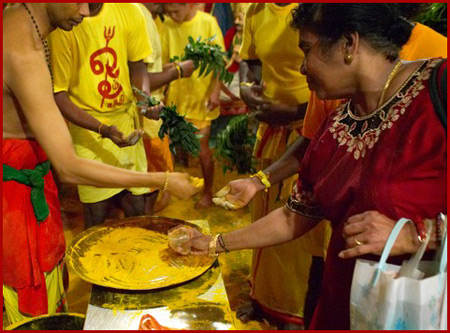
The Sacred Fire-Walking Ceremony
Thimithi (also spelled Theemithi) is a profound Hindu festival originating from Tamil Nadu, India. It is a grueling test of faith where devotees walk barefoot across a pit of red-hot embers to honor the Goddess Draupadi Amman. The festival is a celebration of purity, courage, and the triumph of righteousness over evil.
Key Event Details for 2026
-
Main Festival Date: Commonly observed the Monday or Tuesday before Deepavali
-
Tamil Month: Aipasi (October–November).
-
Primary Deity: Draupadi Amman (an incarnation of Goddess Mariamman).
-
Global Observance: Widely celebrated in India (Tamil Nadu), Singapore, Malaysia, Sri Lanka, Mauritius, and South Africa.
Mythological Origins: The Trial of Draupadi
The festival is deeply rooted in the Indian epic, the Mahabharata. According to legend:
-
The Vow: Draupadi, the wife of the five Pandava brothers, suffered immense humiliation at the hands of the Kauravas. She vowed not to bind her hair until she washed it in the blood of Duryodhana.
-
The War: After the 18-day Kurukshetra War ended in a Pandava victory, Draupadi fulfilled her vow.
-
The Purity Test: To prove her unwavering chastity and virtue despite her hardships, Draupadi walked across burning coals unscathed. Devotees today reenact this “trial by fire” to prove their own devotion and seek the Goddess’s blessings.
The Ritualistic Journey (2.5 Months of Preparation)
Thimithi is not just a one-day event; it is the culmination of a two-and-a-half-month period of spiritual preparation:
-
Abstinence and Fasting: Devotees who intend to walk on fire observe a strict vegetarian diet and practice celibacy for weeks to purify their minds and bodies.
-
Mahabharata Recitations: Portions of the epic are read or enacted by drama troupes nightly leading up to the final ceremony.
-
The Chariot Procession: Two days before Thimithi, a silver chariot carrying the idol of the Goddess is taken through the streets to commemorate the Pandavas’ victory.
-
The Marriage Ritual: A symbolic wedding of Arjuna and Draupadi is often enacted to celebrate their union and the restoration of Dharma.
The Fire-Walking Ceremony (Vrat Vidhi)
The ceremony itself is a highly structured ritual performed with intense discipline:
-
The Fire Pit: A pit approximately 2.7 to 4 meters long is filled with sandalwood and firewood, which are ignited to create a bed of glowing, red-hot embers.
-
The Milk Pit: At the end of the fire pit, a smaller pit is filled with fresh cow’s milk, which is considered sacred and cooling.
-
The Chief Priest: The Pandaram (chief priest) is the first to cross the pit, carrying a Karakam (a sacred, decorated water pot) on his head to lead the way.
-
The Devotees: Following the priest, hundreds of men (and sometimes women and children) walk across the embers. They are expected to maintain a steady, calm pace as a sign of their pure faith.
-
The Cooling: Upon exiting the fire, participants step into the milk pit to cool their feet and then rub them with yellow turmeric powder.
Global Significance: Singapore and Beyond
In Singapore, Thimithi has been practiced at the Sri Mariamman Temple (the country’s oldest Hindu temple) since 1840. The ritual involves a 4-kilometer procession that begins at the Sri Srinivasa Perumal Temple and ends with the fire-walk. It is a major cultural landmark, drawing thousands of spectators from all backgrounds.
Frequently Asked Questions
Does fire walking cause injuries? While many devotees complete the walk unscathed, injuries can occur if a participant is unsteady or loses focus. It is traditionally believed that injuries only occur if the devotee’s faith or “purity” is incomplete.
Can anyone participate in Thimithi? While anyone can observe, fire walking is typically reserved for those who have undergone the weeks of fasting and rituals. Participants often do so to fulfill a “Vow” (repaying the Goddess for a granted wish).
Is the fire extinguished immediately? After the last devotee has crossed, the embers are extinguished using milk and sacred water.
Thimithi Celebration Videos