
World Diabetes Day
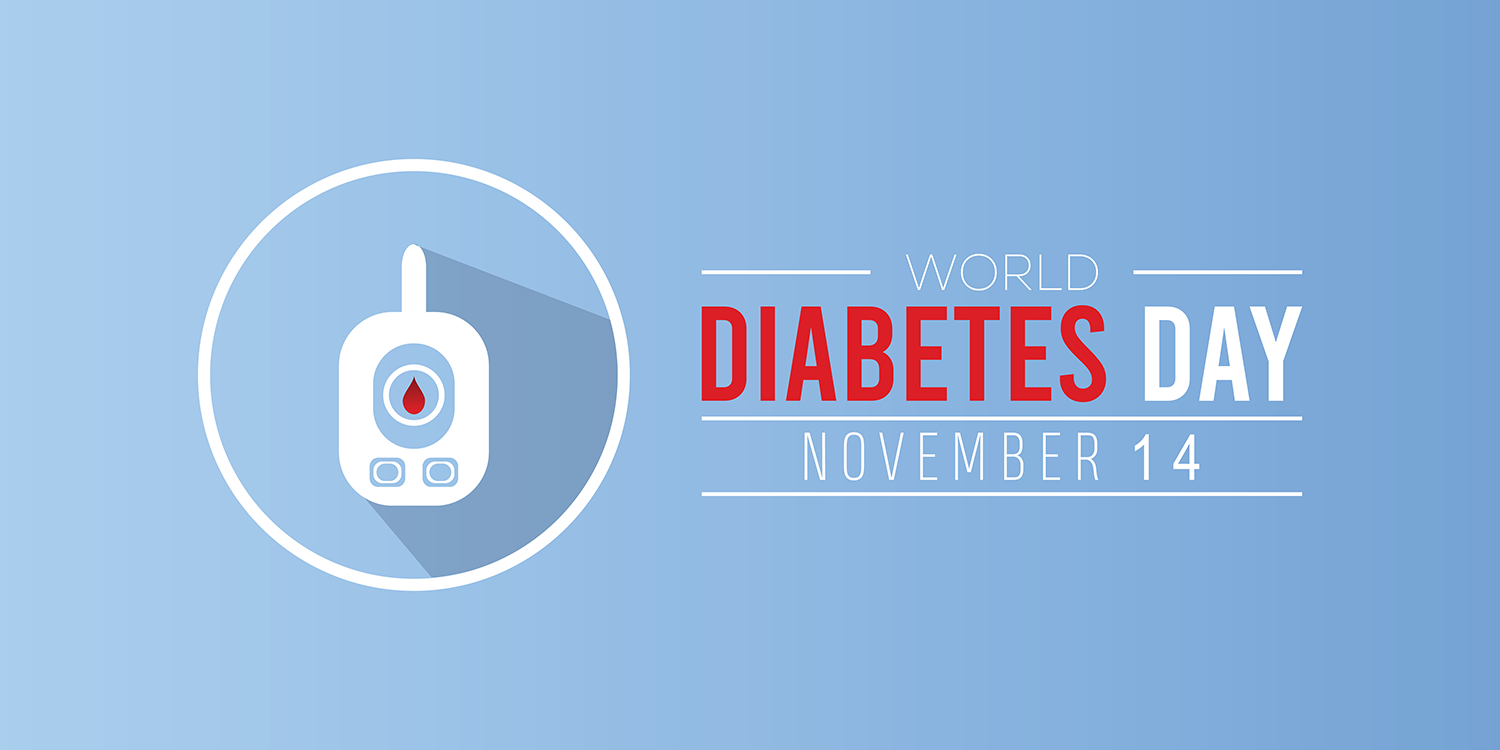
World Diabetes Day raises a public awareness for the increasing graph of Diabetes all around the globe and in 2024 […]
World Diabetes Day raises a public awareness for the increasing graph of Diabetes all around the globe and in 2024 it falls on a Thursday, 14 November
Raising Global Awareness for a Growing Health Challenge
World Diabetes Day (WDD) is observed annually on November 14th. Established in 1991 by the International Diabetes Federation (IDF) and the World Health Organization (WHO), it became an official United Nations Day in 2006. The date marks the birthday of Sir Frederick Banting, who co-discovered insulin along with Charles Best in 1922.
The Global Mission and Symbolism
The primary objective of World Diabetes Day is to advocate for better access to care, educate the public on prevention, and support those living with the condition.
The Blue Circle Logo
The universal symbol for diabetes is the Blue Circle. Adopted in 2007, the circle represents “unity” in the global diabetes community, while the blue color reflects the sky that unites all nations and is the color of the United Nations flag. It signifies the collective effort needed to tackle the diabetes epidemic.
Understanding the Condition
Diabetes is a chronic disease that occurs when the pancreas does not produce enough insulin, or when the body cannot effectively use the insulin it produces.
Primary Classifications
-
Type 1 Diabetes: An autoimmune condition where the body attacks insulin-producing cells. It requires daily insulin administration and is not currently preventable.
-
Type 2 Diabetes: Largely the result of excess body weight and physical inactivity. It accounts for over 90% of cases worldwide and can often be managed or prevented through lifestyle changes.
-
Gestational Diabetes: High blood glucose levels during pregnancy, which can lead to complications for both mother and child if not monitored.
The Annual Campaign and Impact
Each year, World Diabetes Day focuses on a specific theme to highlight areas of need within the diabetes care system. Recent themes have centered on “Access to Diabetes Care” and “Diabetes and Well-being.”
Key Global Activities
-
Blue Lighting: Iconic landmarks across the globe—such as the Empire State Building, the London Eye, and the Gateway of India—are illuminated in blue to show solidarity.
-
Screening Camps: Healthcare providers organize free blood glucose testing and eye examinations to encourage early diagnosis.
-
Advocacy and Education: Digital campaigns and seminars focus on teaching the public how to recognize the early warning signs, including excessive thirst, frequent urination, and unexplained weight loss.
Strategy for Management and Prevention
With the number of people living with diabetes projected to rise significantly by 2045, global health strategies emphasize proactive management.
| Focus Area | Key Recommendations |
| Healthy Diet | Prioritizing whole grains, leafy greens, and lean proteins while reducing sugar and saturated fat intake. |
| Physical Activity | Engaging in at least 150 minutes of moderate-intensity aerobic activity per week. |
| Regular Monitoring | Routine check-ups of blood sugar levels, blood pressure, and cholesterol to prevent long-term complications. |
| Access to Medicine | Ensuring affordable access to insulin and oral medications for all socio-economic groups. |
Essential Facts for the Public
| Category | Details |
| Observed On | November 14th |
| Global Reach | Celebrated in over 160 countries |
| Primary Goal | Awareness, Prevention, and Management |
| 2024-2026 Focus | Diabetes and Well-being |
Important Health Note
Early detection is the most effective way to prevent the serious complications associated with diabetes, such as kidney failure, vision loss, and cardiovascular disease. If you have a family history of diabetes or are experiencing symptoms, consult a medical professional for a screening.
World Diabetes Day serves as a powerful reminder that while the challenge is great, a combination of education, policy change, and individual action can significantly improve the quality of life for millions.