
Republic Day Significance
Republic Day of India Significance, Origin of Indian Republic, India became Republic on 26th January 1950, History of Republic Day […]
Republic Day of India Significance, Origin of Indian Republic, India became Republic on 26th January 1950, History of Republic Day
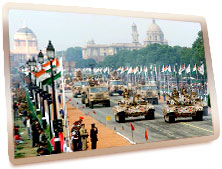 India gained independence on 15 August 1947, but true freedom was incomplete without a law of our own to govern the nation. For more than two years after independence, India functioned under laws made by the British. The real transformation happened on 26 January 1950, when the Constitution of India came into force and India officially became a Sovereign, Democratic Republic.
Republic Day is not just a date on the calendar; it marks the moment when the people of India became the ultimate authority of the nation.
Why 26 January is Celebrated as Republic Day
The choice of 26 January was not accidental. On 26 January 1930, the Indian National Congress declared Purna Swaraj (Complete Independence) and pledged to fight British rule until India became fully free. From that day, 26 January was observed as Independence Day by freedom fighters.
When India finally became a republic in 1950, this historic date was chosen to honour the spirit of freedom and self-rule.
Formation of the Indian Constitution
The Constituent Assembly
The Indian Constituent Assembly was formed in December 1946 to draft the Constitution. It consisted of eminent leaders, thinkers, and legal experts from across the country. The Assembly met for 11 sessions over 2 years, 11 months and 18 days.
Several committees were formed to discuss different aspects such as:
-
Fundamental Rights
-
Union Powers
-
Judiciary
-
Provincial Structure
-
Minority Rights
Role of Dr. B.R. Ambedkar
Dr. B.R. Ambedkar, known as the Architect of the Indian Constitution, was appointed Chairman of the Drafting Committee. Under his leadership, the committee prepared a detailed draft consisting of 395 Articles and 8 Schedules, which was adopted on 26 November 1949.
The Constitution officially came into effect on 26 January 1950, marking the birth of the Republic of India.
India Becomes a Republic
With the adoption of the Constitution:
-
India became a Sovereign Nation (free from foreign control)
-
India became a Republic (head of state elected by the people)
-
India became a Democracy (government chosen by the people)
From this day, the President of India became the constitutional head of the country, replacing the British monarch.
Significance of Republic Day
Republic Day holds great importance because:
1. It Establishes Rule of Law
The Constitution became the supreme law of the land. No one is above the law, not even the government.
2. It Confirms People’s Power
The words “We, the People of India” mean that all power lies with the citizens.
3. It Protects Fundamental Rights
Republic Day reminds us of our:
-
Right to equality
-
Right to freedom
-
Right to religion
-
Right to justice
4. It Promotes Unity in Diversity
India is home to many languages, religions, and cultures. Republic Day celebrates our unity despite differences.
5. It Strengthens National Identity
It reinforces the feeling that India is one nation, bound by shared values and responsibilities.
The Indian Constitution – A Pillar of Strength
The Indian Constitution is:
-
The longest written constitution in the world
-
A document that ensures single citizenship
-
A guarantee of universal adult franchise (right to vote for all 18+)
-
A protector of fundamental rights
-
A guide for social justice and equality
It created a single integrated judicial system with the Supreme Court of India at the top to protect citizens’ rights.
Republic Day Celebrations
Every year, Republic Day is celebrated with:
-
Grand parade in New Delhi at Kartavya Path
-
Cultural performances from different states
-
Display of military strength and discipline
-
Awards and honours to brave citizens
These celebrations showcase India’s heritage, unity, strength, and progress.
Role of Youth in Nation Building
The youth are the future of India. Their contribution is vital for fulfilling the dreams of the Constitution.
How Youth Can Contribute
-
By being responsible citizens
-
By respecting laws and values
-
By promoting unity and harmony
-
By participating in social service
-
By protecting national property
-
By spreading awareness and education
-
By standing against corruption, violence, and discrimination
The energy, creativity, and courage of young Indians can transform the nation.
Republic Day and Duties of Citizens
Republic Day is not only about rights but also about duties. Every citizen should:
-
Respect the Constitution and National Flag
-
Follow the law of the land
-
Promote brotherhood and harmony
-
Protect the environment
-
Preserve our heritage and culture
A strong nation is built by responsible citizens.
Relevance of Republic Day in Modern India
In today’s fast-changing world, Republic Day reminds us:
-
To stay rooted in democratic values
-
To protect freedom and equality
-
To fight against injustice and discrimination
-
To work for a peaceful and inclusive society
It encourages us to build an India where every citizen feels safe, respected, and valued.
How We Can Make Republic Day More Meaningful
Republic Day becomes more meaningful when we:
-
Teach children the value of the Constitution
-
Organise community programs and discussions
-
Share patriotic messages and knowledge
-
Support nation-building activities
-
Honour freedom fighters and soldiers
Celebration should go beyond flag hoisting and become a commitment to national values.
Conclusion
Republic Day is a proud reminder that India is governed by the will of its people. It marks the beginning of a new era where justice, liberty, equality, and fraternity became the foundation of the nation.
It is a day to reflect on our past struggles, appreciate our present freedom, and take responsibility for shaping India’s future. When we understand the true significance of Republic Day, we don’t just celebrate it—we live it.