
Mamallapuram Dance Festival
Once the ancient port of the Pallavas- Mamallapuram plays host to a vibrant festival of Dance, Mamallapuram Festival is between […]
Once the ancient port of the Pallavas- Mamallapuram plays host to a vibrant festival of Dance, Mamallapuram Festival is between December to January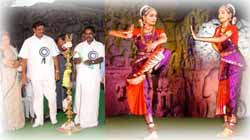
Mamallapuram — also known as Mahabalipuram — is a historic coastal town in Tamil Nadu, India, famous for its remarkable rock-cut temples, ancient monuments and artistic legacy. Designated a UNESCO World Heritage Site, Mamallapuram stands as one of India’s most captivating cultural and architectural treasures, showcasing the genius of early medieval Indian art from the Pallava dynasty.
Each year, this ancient town comes alive with rhythm, movement and artistic splendour through the Indian Dance Festival — a spectacular celebration that brings classical and folk dance traditions to life against the backdrop of millennia-old stone carvings and temples.
History and Cultural Legacy of Mamallapuram
Mamallapuram’s history stretches back to the 7th and 8th centuries CE during the rule of the Pallava kings, including the celebrated ruler Narasimhavarman I, who gave the town its name (“Mamalla” referring to great wrestler, a title of the king).
The town was once a thriving seaport on the Coromandel Coast, linked to trade with far-flung regions of Asia. Its architectural heritage includes magnificent rock-cut temples, monolithic sculptures and ratha (chariot) monuments that reflect advanced artistic and spiritual expression.
The Group of Monuments at Mamallapuram — including the iconic Shore Temple, Pancha Rathas, Arjuna’s Penance, and cave sanctuaries — tell stories from Indian epics and showcase the ingenuity of early Dravidian and rock-cut architecture.
The Indian Dance Festival: A Celebration of Movement and Heritage
The most celebrated festival in Mamallapuram is the Indian Dance Festival, originally founded in 1992 as the Mamallapuram Dance Festival and later expanded into a national-scale celebration of classical and folk arts.
Organised annually by the Tamil Nadu Department of Tourism, this festival has become one of the state’s most important cultural events, attracting artists, performers and audiences from across India and beyond.
When and Where the Festival Happens
The Indian Dance Festival is a month-long event, typically held between December and January each year. For 2025–26, it ran from 21 December 2025 to 19 January 2026.
Performances are held at an open-air stage set amid the Pallava rock sculptures, near the Shore Temple and the famed bas-relief Arjuna’s Penance — creating a spectacular setting where ancient stone meets living art.
Evening performances usually begin around 5:30 PM and continue until around 8:30 PM, taking advantage of the coastal sunset and ambient lighting that enhances the beauty of both dance and heritage.
How the Festival Is Celebrated
The Indian Dance Festival is a vibrant blend of classical and traditional Indian dances that celebrates the country’s artistic diversity:
Classical Dance Performances
A wide array of India’s most cherished classical dance forms are showcased, including:
-
Bharatanatyam
-
Kathak
-
Kuchipudi
-
Odissi
-
Mohiniyattam
-
Kathakali
These performances feature renowned dancers and troupes from across India, each bringing their own style and regional interpretation to the stage.
Folk Arts and Regional Traditions
Alongside classical forms, the festival also highlights traditional Tamil folk arts, such as:
-
Mayilattam (peacock dance)
-
Karagam (pot balancing dance)
-
Kavadi
-
Thappattam
-
Oyilattam, and more
-
These lively performances add colour, energy and local flavour to the programme.
Cultural Workshops and Discussions
In addition to performances, the festival often includes workshops, seminars and discussions that deepen understanding of classical traditions, techniques and the cultural history behind India’s performing arts.
Food, Crafts and Local Culture
While the dance celebrations are the highlight, the town also bustles with local craft stalls, traditional food vendors and cultural activities, giving visitors a full sensory experience of Tamil Nadu’s heritage.
Significance of the Festival
The Indian Dance Festival serves multiple cultural purposes:
-
It preserves and promotes classical dance traditions.
-
It brings community and tourists together around heritage appreciation.
-
It showcases India’s cultural diversity with artists from different states.
-
It reinforces Mamallapuram as a living heritage destination, not just an archaeological site.
The festival also plays a meaningful role in cultural education — encouraging younger generations to engage with traditional performing arts and understand their deep historical roots.
Legends and Heritage Context
While the festival itself doesn’t stem from ancient mythology, the heritage site of Mamallapuram is steeped in legend and artistic symbolism. The iconic carving known as Arjuna’s Penance — one of the largest open-air bas-reliefs in the world — is believed to depict Arjuna’s meditation and penance from the Mahabharata, reflecting themes of devotion, discipline and spiritual aspiration.
The Shore Temple, believed to have once stood among a group of seven such shrines, remains a powerful symbol of Pallava architectural achievement and spiritual presence on the Bay of Bengal coast.
Visitor Experience and Highlights
Visitors to the festival enjoy:
-
Evening dance performances under the stars
-
Historic temple backdrops that elevate the performances
-
Local food and craft experiences
-
Opportunities to explore ancient monuments by day
-
Beachside ambience and scenic sunsets
The unique juxtaposition of dance and heritage creates an experience where history, art and nature converge — making the festival a must-visit cultural event on India’s festival calendar.
Why Mamallapuram Matters Today
Mamallapuram remains an enduring symbol of:
-
Ancient artistic excellence
-
Maritime history and cultural exchange
-
Continuity of classical arts
-
Living heritage that blends past and present
The Indian Dance Festival gives life to this legacy by placing art at the heart of its celebration — inviting audiences to not just view history, but experience it through performance.
A Message for Youth and Culture Lovers
For young travellers and art enthusiasts, the Mamallapuram festival offers:
-
A chance to experience India’s classical arts live
-
An opportunity to connect with heritage in a dynamic way
-
Inspiration to pursue deeper engagement with traditional culture
Witnessing a dance performance set against 13th-century rock carvings is more than entertainment — it is a lesson in cultural continuity, artistic expression and historical pride.
How to Reach Mamallapuram – Travel & Transport Guide
Mamallapuram (Mahabalipuram) is well connected by road, rail and air, making it easily accessible for tourists, culture lovers and festival visitors from across India and abroad.
By Air
The nearest airport is:
Chennai International Airport – approx. 55 km
Chennai is a major international and domestic hub. From the airport, you can reach Mamallapuram by:
-
Taxi / cab (1.5 to 2 hours)
-
App-based cab services
-
Prepaid airport taxis
By Train
The nearest major railway stations are:
-
Chengalpattu Junction – approx. 30 km
-
Chennai Egmore & Chennai Central – approx. 60 km
From these stations, you can take:
-
Local buses
-
Taxis
-
Shared autos
By Road
Mamallapuram is excellently connected by the East Coast Road (ECR), one of India’s most scenic coastal highways.
Approximate distances:
-
Chennai to Mamallapuram – 55 km
-
Pondicherry to Mamallapuram – 95 km
-
Chengalpattu to Mamallapuram – 30 km
Transport options:
-
TNSTC and SETC buses from Chennai (CMBT, Koyambedu)
-
Private buses
-
Self-drive cars and bikes
-
Taxis and tour operators
The drive along ECR is a beautiful experience with sea views, cafés and cultural spots.
Local Transport in Mamallapuram
Within the town, you can easily move by:
-
Auto-rickshaws
-
Cycles on rent
-
Walking (most monuments are close to each other)
Travel Tips for Festival Visitors
-
Start early to explore monuments before performances
-
Avoid weekends if you prefer less crowd
-
Carry water, sunscreen and hats for daytime sightseeing
-
Respect monument rules and local culture
-
Pre-book cabs and hotels during festival season
Accommodation Guide for Mamallapuram Festival Visitors
Mamallapuram offers a wide range of stay options for all budgets.
Budget Stays & Guesthouses
-
Ideal for solo travellers and students
-
Located close to monuments and beach
-
Affordable and convenient
Mid-Range Hotels
-
Comfortable rooms with modern facilities
-
Located near ECR and town centre
-
Suitable for families
Heritage & Beach Resorts
-
Premium experience with sea views
-
Cultural ambience
-
Perfect for leisure + festival experience
Stay Tips
-
Book in advance – December–January is peak season
-
Choose accommodation near Beach Road / Shore Temple area for easy access
-
If fully booked, stay in Chengalpattu or outskirts of Chennai and travel daily
Mamallapuram Indian Dance Festival – Schedule Overview
The Indian Dance Festival at Mamallapuram is usually held from late December to mid-January and runs for 3 to 4 weeks, featuring daily evening performances.
Here is a typical festival schedule pattern you can use:
Day 1 – Inaugural Ceremony
-
Traditional lamp lighting
-
Welcome address by cultural dignitaries
-
Opening classical dance performance
-
Cultural invocation programme
Week 1 – Classical Dance Focus
-
Bharatanatyam evenings
-
Kathak & Kuchipudi performances
-
Solo and group presentations by leading artists
-
Thematic dance recitals based on epics
Week 2 – National Dance Showcase
-
Odissi, Mohiniyattam, Kathakali
-
Performances by artists from different states
-
Fusion presentations with classical base
-
Inter-state cultural exchange nights
Week 3 – Folk & Regional Traditions
-
Tamil folk dances (Karagam, Mayilattam, Kavadi)
-
Tribal dance forms
-
Colourful group performances
-
Interactive sessions with performers
Final Week – Grand Finale & Special Performances
-
Performances by senior and renowned artists
-
Thematic dance ballets
-
Felicitation of performers
-
Closing ceremony
Daily Festival Timing (Indicative)
-
Monument Visit: 6:00 AM – 6:00 PM
-
Dance Performances: 5:30 PM – 8:30 PM
-
Craft & Food Stalls: Afternoon to evening
(Timings may vary slightly each year. It is always best to check Tamil Nadu Tourism announcements.)
Why the Festival Schedule Is Perfect for Visitors
This timing allows you to:
-
Explore monuments and beaches during the day
-
Attend dance performances in the evening
-
Enjoy illuminated heritage structures at night
-
Experience both heritage tourism and live culture in one visit
Best Time to Visit Mamallapuram
-
December to February – Best weather, festival season, pleasant evenings
-
March to May – Hot, but good for beach lovers
-
June to September – Monsoon, fewer tourists, lush surroundings
Why Mamallapuram Is a Must-Visit Cultural Destination
Mamallapuram is not just a historical site — it is a living cultural landscape where:
-
Ancient stone tells stories
-
Dance gives those stories movement
-
The sea adds timeless rhythm
-
And heritage meets modern expression
Youth & Culture Lover’s Note
For the younger generation, Mamallapuram offers:
-
A powerful example of how ancient art still inspires today
-
A chance to see Indian classical culture in a global heritage setting
-
Inspiration to learn, perform or support traditional arts
This festival proves that culture is not old-fashioned — it is timeless.
इस आर्टिकल को हिंदी में पढ़ने के लिए यहां क्लिक करें