
Thursday, May 27, 2027
Jawahar Lal Nehru Death Anniversary
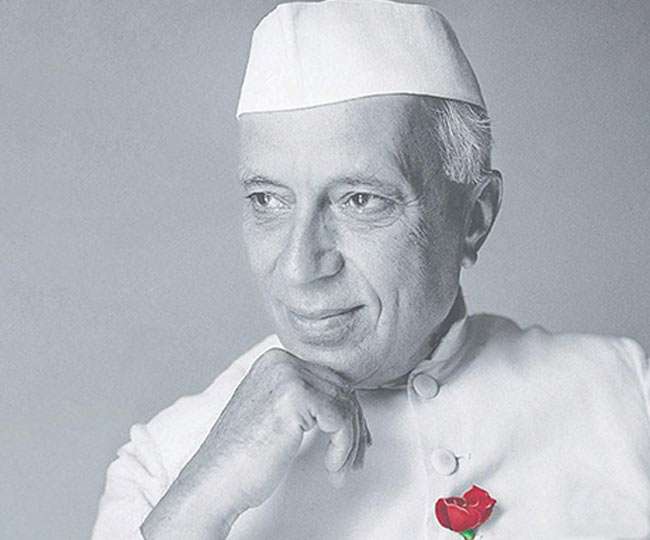
This year will mark the 58th death anniversary of Independent India s first Prime Minister Pandit Jawahar Lal Nehru Remembering […]
All India
Hindu
This year will mark the 58th death anniversary of Independent India s first Prime Minister Pandit Jawahar Lal Nehru
Remembering the Man Who Shaped a New Nation
The death anniversary of Jawaharlal Nehru, observed on 27 May, is a moment of reflection for India. It marks the passing of the country’s first Prime Minister, a leader who guided India through its earliest and most challenging years after independence.
This day is not only about remembering history, but about understanding how Nehru’s ideas continue to influence India’s democracy, education system, and global outlook.
Jawaharlal Nehru and the Making of Independent India
Jawaharlal Nehru was born on 14 November 1889 in Allahabad and grew up in an environment deeply connected to India’s freedom movement. Educated in England and influenced by liberal and democratic ideals, he returned to India determined to serve the nation.
He became a close associate of Mahatma Gandhi and played a key role in the struggle against British rule. When India gained independence in 1947, Nehru took on the responsibility of leading a newly born nation as its first Prime Minister—a role he held until his death in 1964.
His Final Days and the Nation’s Loss
In the early months of 1964, Nehru’s health began to decline. He suffered a stroke earlier in the year and spent time recovering. On the morning of 27 May 1964, he passed away in New Delhi at the age of 74.
The news of his death brought the nation to a standstill. Parliament was adjourned, millions mourned across the country, and leaders from around the world paid tribute. Nehru was cremated at Shanti Van, which later became his memorial.
Why Nehru’s Death Anniversary Is Remembered
Nehru’s death anniversary is observed as a day to:
- Pay tribute to a leader who laid the foundation of modern India.
- Reflect on democratic and constitutional values.
- Remember the challenges of nation-building after independence.
- Revisit the importance of unity, secularism, and peaceful coexistence.
Political leaders, institutions, and citizens commemorate the day with tributes, discussions, and educational programs.
Nehru’s Core Ideas That Defined His Leadership
Rather than ruling through authority alone, Nehru led India with a clear set of ideas:
Faith in Democracy
He believed that democracy was essential for India’s survival, especially in a country with immense diversity. He worked to strengthen Parliament, the judiciary, and free institutions.
Secular and Inclusive India
Nehru stood firmly for a secular state where people of all religions could live with dignity and equal rights.
Scientific Temper
He encouraged Indians to think rationally, question superstition, and embrace science and innovation as tools for progress.
Nation-Building Through Institutions and Planning
One of Nehru’s greatest contributions was building institutions that would outlive his time in office:
- Promotion of higher education and research institutions
- Focus on public sector industries to strengthen the economy.
- Introduction of planned economic development through Five-Year Plans
- Support for dams, factories, and infrastructure as symbols of progress
These efforts aimed to make India self-reliant and economically stable.
India on the World Stage: Nehru’s Global Vision
Nehru believed India should play a peaceful and independent role in global affairs.
- He was a key voice behind the Non-Aligned Movement, choosing neutrality during the Cold War.
- Advocated peaceful coexistence among nations
- Strengthened India’s diplomatic presence globally
His foreign policy helped India earn respect as a newly independent but principled nation.
How Nehru’s Ideas Still Shape India Today
Many aspects of present-day India reflect Nehru’s long-term vision:
- Democratic institutions continue to guide governance.
- Scientific research and higher education remain national priorities.
- India’s independent foreign policy reflects its global outlook.
- Emphasis on unity in diversity remains a core national value.
Even decades later, his ideas remain part of public discourse.
What Today’s Generation Can Learn from Nehru
For young people, Nehru’s life offers meaningful lessons:
- The importance of education beyond exams and careers
- Respect for diversity and different opinions
- Belief in reason, dialogue, and peaceful solutions
- Active participation in democracy and civic life
His emphasis on curiosity, learning, and responsibility continues to inspire students and citizens alike.
A Legacy Beyond Politics
Jawaharlal Nehru was not just a political leader but a thinker, writer, and visionary. His speeches and writings reveal a deep concern for humanity, freedom, and progress.
On 27 May, India remembers not only the end of his life, but the beginning of a journey he set in motion—a journey toward a democratic, educated, and forward-looking nation.
इस आर्टिकल को हिंदी में पढ़ने के लिए यहां क्लिक करें