
Navakhana Festival
Navakhana falls in September and it is a post harvest festival celebrated in the Bhadrapada month by the Gond tribe […]
Navakhana falls in September and it is a post harvest festival celebrated in the Bhadrapada month by the Gond tribe of Chattisgarh state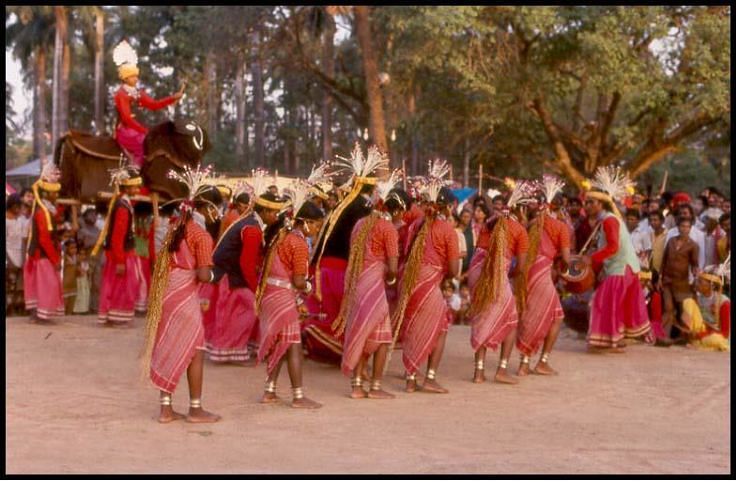
The Spirit of the New Harvest: A Guide to Navakhana
Navakhana is the soul-stirring harvest festival of Chhattisgarh and the tribal heartlands of Central India. Derived from the words Nava (New) and Khana (Food), it marks the sacred moment when the first paddy of the season is harvested and consumed. It is a celebration of the “soil-to-soul” connection, where farmers honor the land that sustains them.
The Legend and Spiritual Significance
The festival is rooted in the Bhadrapada month (August–September). It is not merely an agricultural milestone but a spiritual duty.
-
Gratitude to the Divine: The primary belief is that the first yield belongs to the Gods and Ancestors. By offering the first grain to Dharti Mata (Mother Earth) and the Ishta Devata (Family Deity), the community ensures that the land remains fertile for years to come.
-
Ancestor Worship: A unique aspect of Navakhana is the invitation to ancestors. Families believe their forefathers return to witness the prosperity of the lineage, and special portions of the new rice are set aside for them.
The Variations: Navakhana vs. Nuakhai
While the essence remains the same, the festival takes on different names and flavors across state borders:
-
Chhattisgarh (Navakhana): Here, the focus is heavily on the tribal customs of the Bastar and Surguja regions. It is deeply connected to the Karma tree and local folk deities.
-
Odisha (Nuakhai): In neighboring Odisha, the festival is celebrated with massive social fervor. There is a standardized day for the celebration across the state, and it includes the ritual of Nuakhai Juhar—where younger members of the community seek blessings from the elders after the meal.
Rituals and the Festive Feast
The celebration follows a rhythmic progression from the fields to the kitchen.
-
The First Cut: The head of the family or the village priest harvests the first stalks of paddy. These are brought home with the same respect given to a royal guest.
-
The Cleansing: Homes are plastered with fresh mud or cow dung and decorated with Chalk (traditional rice-paste art).
-
The Cooking: The new rice is threshed and hand-pounded. It is typically prepared in two ways:
-
The Sweet Offering: A porridge made with jaggery, milk, and the new rice.
-
The Savory Meal: Rice served with fermented greens (Saag) and local pulses.
-
-
The Community Circle: After the family ritual, the village gathers for a communal feast. In tribal culture, eating together from the new harvest is a vow of unity for the coming year.
Cultural Experience: Music, Dance, and Food
Navakhana is as much about the rhythm of the feet as it is about the taste of the grain.
-
The Karma Dance: The most iconic dance of the festival. Men and women hold hands and move in a circular pattern around a branch of the Karma tree, symbolizing the dependency of humans on nature.
-
The Traditional Recipe: You can try a “Mini-Navakhana” at home by preparing Nava Chawal Kheer. Soak new rice, boil it in full-fat milk until soft, and sweeten it with jaggery. Adding a pinch of cardamom and crushed ginger gives it the authentic tribal warmth.
Knowledge Check: The Harvest Quiz
Test your understanding of this Central Indian tradition:
-
The Primary Crop: Rice (Paddy) is the heart of the festival.
-
The Social Message: It promotes “Zero Waste” and “Community Equality.”
-
The Timing: It follows the Lunar calendar, usually occurring in late August or early September.
Why Navakhana Matters in the Modern World
In a world of global supply chains, Navakhana forces us to pause and acknowledge the local farmer. it is a reminder that every grain of rice on our plate is a result of the monsoon, the soil, and a human being’s hard labor.
3-Day Bastar Harvest Itinerary: The Navakhana Trail
This short route focuses on the heart of tribal culture in Jagdalpur and its surrounding villages during the harvest season.
Day 1: The Gateway to Bastar (Jagdalpur)
-
Morning: Arrive in Jagdalpur. Visit the Bastar Palace to understand the history of the Bhanj Deo dynasty and their role in local festivals.
-
Afternoon: Explore the Anthropological Museum to see the tools, art, and traditional grains used in Navakhana rituals.
-
Evening: Walk through the local Haat (market) to see farmers bringing in the first bundles of new paddy and local handicrafts.
Day 2: The Rituals of the Soil (Village Immersion)
-
Morning: Drive to a nearby tribal village like Kumhari or Neganar. Witness the Navakhana offerings at the village Gudi (shrine).
-
Afternoon: Share a traditional meal of the “New Rice” and local Saag (greens) with a tribal family. This is the core of the festival experience.
-
Evening: Watch a Karma Dance performance under the moonlight as the village celebrates the successful harvest.
Day 3: Nature’s Bounty (Chitrakote)
-
Morning: Head to the Chitrakote Falls, often called the “Niagara of India.” During the harvest season (post-monsoon), the falls are at their most majestic.
-
Afternoon: Visit the Udaipur Temple or local terracotta potteries to see how the harvest inspires local clay art.
-
Evening: Depart from Jagdalpur with a bag of local “Bastar Rice” as a souvenir.
Knowledge Check: Travel Tips
-
Transport: Hire a local guide and a private vehicle. Many tribal villages are not easily accessible by public transport.
-
Ethics: Always ask for permission before taking photos of rituals or people. Navakhana is a private, sacred time for many families.
-
Weather: August/September is humid and can be rainy. Pack light cotton clothes and sturdy walking shoes.
इस आर्टिकल को हिंदी में पढ़ने के लिए यहां क्लिक करें