
Shivaji Jayanti is a historical and cultural festival that honors the birth anniversary of Chhatrapati Shivaji Maharaj, one of India’s most revered warrior‑kings and the founder of the Maratha Empire. Observed with great enthusiasm across Maharashtra and in other parts of India, this festival celebrates not just a birthday, but the enduring legacy of a leader whose courage, vision and governance left a lasting mark on Indian history.
Who Was Chhatrapati Shivaji Maharaj?
Chhatrapati Shivaji Maharaj was born at Shivneri Fort, near present‑day Pune, in the early 17th century. Raised by his mother Jijabai and guided by the principles of justice and self‑rule, Shivaji grew into a fearless leader who challenged established powers and carved out a sovereign kingdom. His governance blended military ingenuity, administrative reforms, and respect for cultural identity, making him a symbol of indigenous leadership.
Shivaji’s strategic brilliance was evident early in life, as he began capturing forts like Torna and later established his capital at Raigad Fort. His use of guerrilla warfare (Ganimi Kawa), naval development, and efficient administration helped fortify his realm against larger empires.
Why Shivaji Jayanti Is Celebrated
Shivaji Jayanti commemorates Shivaji Maharaj’s birth anniversary. While his exact birth year is historically debated, the festival is widely observed on 19 February, corresponding with traditional records and observances in Maharashtra. On this day, people honor Shivaji’s life, achievements, and ideals — from military courage to cultural integrity and equitable governance.
The festival celebrates:
-
His leadership and vision that laid the foundation for the Maratha Empire’s rise.
-
His progressive administration that valued justice, efficient governance, and welfare.
-
His innovation in defence and strategy, including both land and naval power.
-
His role as a unifying figure for people across communities and regions.
How Shivaji Jayanti Is Observed
Shivaji Jayanti is marked by a variety of cultural and commemorative activities:
Processions and Parades
Across cities and towns, especially in Maharashtra, processions featuring statues or depictions of Shivaji are held. Participants often dress in traditional attire, recalling the era of the Maratha Empire and reflecting pride in their history.
Cultural Programs and Speeches
Schools, cultural organizations, and community groups arrange speeches, poetry recitals and historical presentations that highlight Shivaji’s achievements and relevance for modern India.
Tributes and Public Ceremonies
Government officials, historians, and citizens pay tribute at statues, memorials and historical sites connected to Shivaji. These events often include flag hoisting, patriotic songs, and public addresses about his enduring contributions.
Educational Focus
Many communities use the occasion to educate younger generations about Shivaji’s values — especially his emphasis on self‑rule, courage under adversity, and administrative integrity.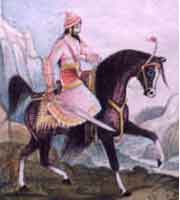
Cultural and National Impact
Shivaji Maharaj’s legacy extends far beyond regional celebration. He is recognized as:
-
A symbol of indigenous self‑rule and resistance against imperial domination.
-
An exemplar of strategic military leadership and administrative order.
-
A historical figure whose principles continue to inspire leaders, scholars and citizens.
Today, Shivaji Jayanti resonates with people across India — not only in Maharashtra but in many states where history, heritage and national pride are commemorated through public events, academic discussions, and cultural programs.
Why Shivaji Jayanti Matters Today
Shivaji Jayanti is more than a historical remembrance; it’s a festival of identity, courage and cultural continuity. By celebrating the life of Shivaji Maharaj, people reaffirm values such as:
-
Bravery in adversity
-
Commitment to justice and welfare
-
Strategic foresight and governance responsibility
-
Respect for linguistic, cultural and religious diversity
Region-Wise Celebrations of Shivaji Jayanti
Shivaji Jayanti is celebrated with enthusiasm across Maharashtra and other parts of India, with local traditions reflecting the cultural heritage of each region.
1. Maharashtra
-
Mumbai: Grand processions, cultural programs, and patriotic events are held in honor of Shivaji Maharaj. Statues of Shivaji are decorated with flowers, and local schools and colleges organize essay competitions, speeches, and plays based on his life.
-
Pune: Known as the cultural capital of Maharashtra, Pune hosts historical exhibitions, seminars, and reenactments of Maratha battles. Public processions, flag hoisting, and community events mark the day.
-
Raigad and Satara: These regions celebrate with religious rituals at forts connected to Shivaji’s life, including Raigad Fort, his capital, where ceremonial prayers and offerings are made.
2. Karnataka
-
Cities like Belgaum and Kolhapur celebrate Shivaji Jayanti with cultural gatherings and seminars, focusing on his administration and military strategies that influenced neighboring regions.
3. Goa
-
Shivaji Jayanti is observed in Goa with traditional Marathi cultural programs, folk dances, and patriotic songs that honor the Maratha king’s legacy.
4. Other Parts of India
-
In cities like Delhi, Nashik, and Aurangabad, community organizations organize historical lectures, exhibitions, and parades to educate people about Shivaji’s life and inspire civic pride.
Popular Historical Sites Linked to Shivaji Maharaj
Visiting these sites enhances the festival experience and provides deeper insight into Shivaji’s life:
-
Shivneri Fort (Pune District, Maharashtra)
-
Birthplace of Chhatrapati Shivaji Maharaj. Visitors can explore the fort’s gates, temples, and watchtowers while learning about his early life.
-
-
Raigad Fort (Raigad District, Maharashtra)
-
The capital of Shivaji Maharaj’s empire and the site of his coronation. Famous for panoramic views and historical structures.
-
-
Pratapgad Fort (Satara District, Maharashtra)
-
Renowned for the historic battle between Shivaji Maharaj and Afzal Khan. The fort features statues, temples, and scenic viewpoints.
-
-
Lohagad Fort (Pune District, Maharashtra)
-
A strategic fort used in Shivaji’s military campaigns. Popular for trekking and heritage walks.
-
-
Sindhudurg Fort (Konkan Coast, Maharashtra)
-
A coastal fort reflecting Shivaji’s naval strategy. Visitors can explore the fortifications and learn about Maratha naval power.
-
-
Kolhapur Mahalakshmi Temple and Palace
-
Shivaji Maharaj’s legacy is celebrated in Kolhapur through cultural programs, exhibitions, and visits to historical palaces linked to the Maratha dynasty.
-
For many, this festival is also a reminder that leadership rooted in principles can have a lasting, positive impact on society and history.
इस आर्टिकल को हिंदी में पढ़ने के लिए यहां क्लिक करें