
The Mystical Festival of the Serpent Lords
As the rains of Shravan drench the earth, a curious transformation occurs in the Indian countryside. The parched earth exhales a scent of wet soil, and from the flooded crevices emerge the ancient guardians of the underworld: the serpents.
Nag Panchami, celebrated on the fifth day of the bright half of the Shravan month, is not just a ritual; it is a bridge between the human world and the mystical realm of the Nagas.
The Chronicles of the Nagas: Legends & Mythology
To understand Nag Panchami, one must look back into the mist of time, where history meets the divine.
1. The Tale of Kaliya Mardana: Krishna’s Divine Dance
The most beloved story takes us to the banks of the Yamuna River. A multi-headed venomous serpent named Kaliya had poisoned the waters, making them deadly for the people of Vrindavan. When a young, blue-skinned Krishna jumped into the river to retrieve a ball, he was ensnared by Kaliya.
Instead of succumbing, Krishna grew to a massive size and danced upon the serpent’s many hoods. As Kaliya’s strength faded, his wives pleaded for mercy. Krishna spared him on the condition that he leave the river forever. Nag Panchami celebrates this victory of divine light over darkness and the taming of nature's ferocity.
2. The Lord of Eternity: Ananta Shesha
In Hindu cosmology, the universe itself is cradled by a serpent. Lord Vishnu reclines on the coils of Sheshnag (Ananta Shesha), the thousand-headed snake who represents eternity. It is said that when Sheshnag uncoils, time moves forward and creation begins; when he coils back, the universe ceases to exist. On Nag Panchami, we honor this cosmic pillar that holds the world together.
3. The Churning of the Ocean: Vasuki’s Sacrifice
During the Samudra Manthan (The Churning of the Ocean), the gods and demons used the great serpent Vasuki as a rope to churn the waters for the nectar of immortality. Vasuki endured immense pain for the sake of the universe. To show gratitude for his sacrifice and to cool the heat generated by the churning, devotees offer milk to snakes on this day.
Why We Worship: History and Science
Beyond the myths lies a deep historical and ecological connection:
-
The Ancient Naga Clan: Historically, the Nagas were a highly developed clan in ancient India who worshipped snakes. As they merged into Vedic society, their deities—like Takshak and Vasuki—became integral to Hinduism.
-
The Monsoon Connection: During the monsoons, snake holes fill with water, forcing them into human habitats. Rather than killing them, our ancestors established a day of worship to foster a sense of coexistence and to pray for protection against snake bites.
Rituals: How the Festival Unfolds
-
The Offering of Milk: Devotees visit temples or "snake pits" (Ant-hills) to offer milk, honey, and saffron. It is a gesture of cooling and pacifying the "heat" of the serpent's venom.
-
The Threshold Guardians: Women draw images of snakes using sandalwood paste or turmeric on either side of their house doors. This is believed to prevent snakes (and evil spirits) from entering the home.
-
The Rule of No Ploughed Earth: In many villages, farmers do not plough their fields on Nag Panchami. This is done to avoid accidentally harming snakes that might be resting under the soil.
The Nag Panchami Platter: Sacred Flavors
The food on this day is simple, sattvic, and traditional.
-
Nariyal Paag / Ladoo: Sweet treats made with coconut and jaggery.
-
Lahri: In many regions, people eat "Lahri" (puffed rice) with milk.
-
Kheer: A creamy rice pudding offered as Prasad.
-
No Frying Rule: Traditionally, nothing is fried on a griddle (Tawa) on this day, as the griddle is said to resemble a snake’s hood. Most food is steamed or boiled.

Pro-Tip for the Modern Web
-
For Travelers: The city of Nagpur (literally "City of Snakes") and the Battis Shirala village in Maharashtra offer the most intense and famous Nag Panchami celebrations in India.
-
Eco-Warning: Modern celebrations encourage the worship of idols (clay or metal) rather than live snakes. This ensures the safety of the reptiles and adheres to wildlife protection laws while keeping the spirit of the tradition alive.
Quick Summary Table
| Element | Details |
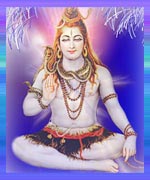
| Main Deities | Lord Shiva, Lord Vishnu, and the Nav Nagas (9 Serpent Lords) |
| Auspicious Day | Shravan Shukla Panchami |
| Key Offering | Milk, Turmeric, and Flowers |
| Symbolism | Rebirth (due to skin shedding), Eternity, and Protection |
| Geographic Hubs | Maharashtra, Uttar Pradesh, and South India |