A Universal Celebration of Love, Humanity, and Sufi Devotion
The Urs of Ajmer Sharif is one of the most significant spiritual congregations in the world. It commemorates the death anniversary of the Sufi Saint Hazrat Khwaja Moinuddin Chishti, affectionately known as Gharib Nawaz (Benefactor of the Poor). In Sufism, the death of a saint is not mourned but celebrated as Urs—a "wedding" or a symbolic union of the soul with the Divine.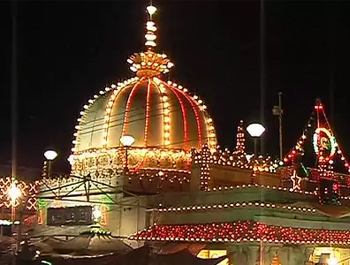
Ajmer Sharif Urs at a Glance
-
Dates: December (Subject to moon sighting)
-
Location: Dargah Sharif, Ajmer, Rajasthan
-
Primary Significance: 814th Anniversary of Khwaja Gharib Nawaz's union with Allah.
-
Flag Hoisting: December, Marking the official beginning
1. The Heritage of Khwaja Gharib Nawaz
The history of the Urs is the history of the Chishti Sufi Order in India.
-
The Journey from Persia: Born in Sistan (East Persia) in 1143 AD, Khwaja Moinuddin Chishti traveled through Bukhara and Samarkand before settling in Ajmer during the 13th century.
-
Philosophy of Sulh-i-Kul: He preached "Peace with All." His teachings focused on three core values: River-like generosity, Sun-like affection, and Earth-like hospitality.
-
Establishment of the Order: He founded the Chishtiya Silsila, which emphasizes the use of music (Sama) and poetry (Qawwali) as a medium to reach a state of divine ecstasy.
2. Sacred Rituals: The Six Days of Rajab
The Urs is a multi-day spiritual journey involving specific rituals that have remained unchanged for centuries:
-
Flag Hoisting: The celebration begins with the raising of a white flag at the Buland Darwaza by the Sajjada Nashin, signaling the start of the festivities.
-
Opening of Jannati Darwaza: This "Gateway to Heaven" is opened only during the Urs. Devotees believe that crossing this gate seven times is highly auspicious.
-
Ghusal (Ceremonial Washing): The holy tomb is washed with rose water and sandalwood paste. The remaining water is distributed among devotees as Tabarruk (blessing).
-
Chadar Poshi: Devotees carry embroidered silk cloths (Chadars) on their heads in grand processions, offering them at the shrine along with flowers and perfumes.
-
Qawwali Mehfils: Professional Qawwals sing hymns of praise in the Mehfil-Khana throughout the night, creating a transcendental atmosphere of "Wajd" (spiritual ecstasy).
3. Key Milestone: Chhati Sharif (The 6th Day)
The 6th of Rajab is considered the most sacred day of the Urs. It marks the exact moment the Saint entered his Hujra (private chamber) for final prayers.
-
The Qu’l Ceremony: Between 10:00 AM and 1:30 PM, the main concluding prayers are held.
-
Badhawaa: A special poem of praise, composed by an ancestor of the Khadims, is sung by Qawwals using only clapping, with no musical instruments.
-
Cannon Fire: At exactly 1:30 PM, the firing of a ceremonial cannon signifies the official end of the primary Urs rituals.
4. The Tradition of Degh and Langar
A central part of the Urs is the feeding of the thousands who visit.
-
The Big Deghs: Two massive cauldrons (Badi Degh and Chhoti Degh), donated by Emperors Akbar and Jahangir, are used to cook tons of sweet rice (Kheer) mixed with saffron, nuts, and ghee.
-
Langar: Free food is distributed to all, regardless of caste or creed, upholding the Saint's legacy of serving the poor.
5. Essential Guide for Visitors
-
Weather: December in Ajmer is quite cold. Carrying warm woolen clothes is essential.
-
Special Transport: Indian Railways usually operates "Urs Special" trains from major cities like Delhi, Mumbai, and Hyderabad.
-
Etiquette: Visitors should keep their heads covered inside the Dargah complex and remove footwear before entering the inner sanctum.
6. Interactive Insight: The Universal Appeal
What makes Ajmer Urs unique is its inclusivity. You will find Hindus, Sikhs, and Christians alongside Muslims, all tied together by the "Dora" (sacred thread) of faith. It stands as a powerful symbol of India’s "Ganga-Jamuni Tehzeeb" (composite culture).