
Aranmula Vallamkali
Aranmula Vallamka is a annual boat race is a grand event held on the Pamba river banks during Onam in […]
Aranmula Vallamka is a annual boat race is a grand event held on the Pamba river banks during Onam in Kerala
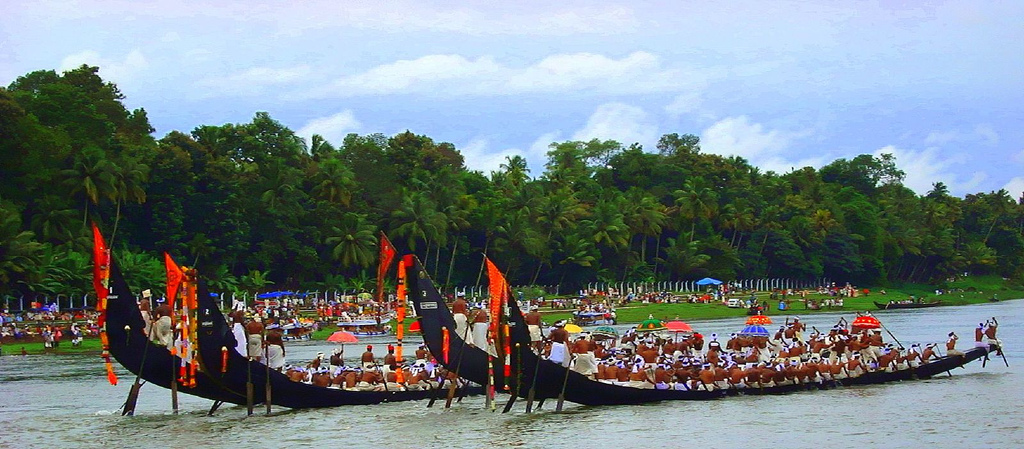
The Sacred Snake Boat Race of Kerala
Aranmula Vallamkali is not just a competitive water sport; it is a grand rhythmic celebration deeply rooted in the spiritual heritage of Kerala. Held annually on the Pamba River in the Pathanamthitta district, this event is a key highlight of the Onam festival. Unlike other boat races, the Aranmula race is primarily a religious offering dedicated to Lord Krishna, the deity of the ancient Aranmula Parthasarathy Temple.
Event Details for 2026
-
Date: Sunday, September 27, 2026
-
Location: Pamba River, Aranmula Village, Kerala.
-
Occasion: Uthrittathi day during the Onam festival season.
-
Organized By: Palliyoda Seva Sangam.
The Legend and Religious Significance
The origins of this 1,000-year-old tradition are tied to the Aranmula Parthasarathy Temple. According to local legend, the race commemorates the day the idol of Lord Krishna was installed at the temple.
Another popular tradition suggests that the boats originally served as protectors for the Thiruvona Thoni—a vessel carrying food and offerings for the temple feast. The race symbolizes the collective effort of the devotees to protect these sacred offerings from river pirates and thieves. Consequently, the competition is viewed as an act of devotion rather than mere sport.
The Anatomy of a Palliyodam (Snake Boat)
The star attraction of the event is the Palliyodam, a traditional snake boat unique to this region.
-
Size: These boats are approximately 100 feet long.
-
Design: The prow is tapered, and the stern rises majestically to a height of about 20 feet, resembling the hood of a cobra.
-
Capacity: Each boat accommodates roughly 120 people, including 100 oarsmen, a group of singers, and helmsmen.
-
Adornments: The boats are decorated with colorful silk banners, flags, and golden silk umbrellas (Muthukkuda), creating a mystical and vibrant visual on the water.
Rituals and Procession
The celebration follows a strictly traditional sequence:
-
Morning Prayers: Early in the morning, all participating boats assemble near the temple ghats to seek the blessings of Lord Krishna.
-
Ceremonal Procession: Before the race begins, the Palliyodams participate in a grand procession accompanied by hymns and traditional music.
-
Vanchipattu (Boat Songs): As the race commences in the afternoon, the oarsmen row in perfect synchronization to the rhythm of Vanchipattu. These traditional songs are led by a main singer standing in the middle of the boat, ensuring the rowers maintain a consistent and powerful pace.
-
Valla Sadya: A major part of the festival season is the grand feast (Sadya) served at the temple, where oarsmen and devotees partake in traditional Kerala cuisine.
Participant Structure and Leadership
The management of a snake boat is a matter of village pride and follows a hierarchical structure:
-
Kaarnavan: The village leader who commands the boat.
-
Main Oarsmen: Three skilled individuals who control the 12-foot long main rudder-oar known as the Adanayampu.
-
Rowers: Positioned two-in-a-row along the length of the boat, maintaining the tempo set by the singers.
Frequently Asked Questions
Is Aranmula Vallamkali different from the Nehru Trophy Boat Race? Yes. While the Nehru Trophy (Alappuzha) is primarily a professional competition for a trophy, the Aranmula Vallamkali is a religious ritual and anniversary celebration of the temple deity.
Can anyone participate in the boat race? Traditionally, the participants belong to the specific villages that own the Palliyodams. The rowers undergo rigorous training and must follow specific dietary and behavioral codes during the festival season.
Is it accessible for international tourists? Absolutely. The event attracts thousands of global visitors. The Kerala Tourism Ministry and Central Tourism Ministry provide special arrangements and facilities to ensure tourists can witness the race from the riverbanks.
नौका दौड़ का इतिहास हिंदी में पढ़ने और इसके वीडियो देखने के लिये यहां क्लिक करें