
Champakulam Boat Race
Champakulam Boat Race is also called Moolam Vallamkali and this traditional boat race is the first of the season Champakulam […]
Champakulam Boat Race is also called Moolam Vallamkali and this traditional boat race is the first of the season
Champakulam Moolam Boat Race: The Grand Prelude to Kerala’s Water Festivals
Celebrating Centuries of Tradition, Valor, and Communal Harmony
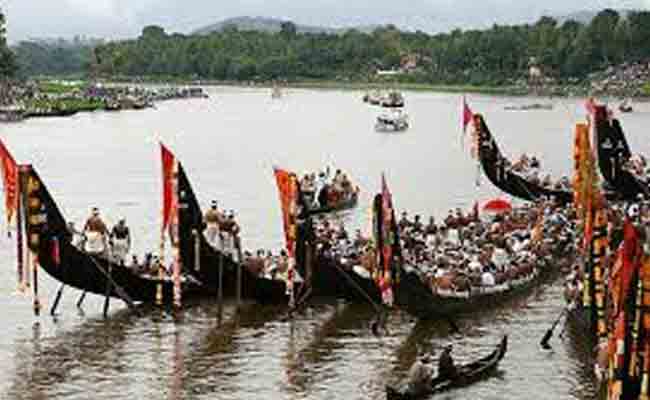
The Champakulam Boat Race, also known as Champakulam Moolam Vallamkali, is the oldest and most traditional snake boat race in Kerala. Held on the pristine waters of the Pamba River, this event marks the beginning of the annual harvest boat race season. It is not just a sporting event but a magnificent cultural pageant that brings to life the rich heritage of the Alappuzha backwaters.
The Legend of the Sacred Idol
The origins of this race date back to 1545 AD and are deeply intertwined with the history of the Ambalappuzha Sree Krishna Temple.
-
A Divine Search: Maharaja Devanarayana of Chempakasseri built a grand temple, but learned at the last moment that the intended idol was inauspicious. To save the ceremony, a minister was sent to retrieve a sacred idol of Sree Krishna—originally gifted to Arjuna by the Lord himself—from the Karikulam temple in Kurichi.
-
The Champakulam Stopover: On the return journey via the river, the party stopped overnight at Champakulam. The local villagers welcomed the idol with immense joy and hospitality.
-
The First Race: The following morning, a colorful procession of boats escorted the idol to the temple. To commemorate this event and honor the villagers’ spirit, the King organized the first boat race, a tradition that has remained unbroken for centuries.
The Significance of Moolam Day
The race takes place annually on the Moolam day of the Malayalam month of Mithunam (usually falling in late June or early July).
-
Asterism Timing: “Moolam” refers to a specific star (Nakshathram) in the Malayalam calendar.
-
The Monsoon Surge: This timing coincides with the onset of the monsoon, when the rivers are brimming and the Kerala landscape is at its most vibrant green, providing the perfect stage for the “Chundans” (Snake Boats).
The Spectacle: Chundan Valloms and Vanchipattu
The Champakulam race is famous for the participation of the majestic Chundan Valloms, known globally as Snake Boats.
-
Masterpieces of Craftsmanship: These boats exceed 100 feet in length and can accommodate over 100 oarsmen. The design, featuring a raised prow resembling the hood of a cobra, requires specialized boat-building skills passed down through generations.
-
Rhythmic Devotion: The air is filled with Vanchipattu—the traditional songs of the oarsmen. These rhythmic chants help the rowers maintain perfect synchrony and provide a boost of adrenaline during the high-speed competition.
-
Exotic Floats: Before the competitive heat begins, the river hosts a procession of decorated water floats and boats carrying colorful silk parasols (Muthukuda), showcasing Kerala’s traditional performing arts.
A Symbol of Unity and Heritage
Beyond the thrill of the race, Champakulam Moolam Vallamkali serves as a powerful symbol of communal harmony.
-
Collective Spirit: Historically, people from all castes and religions have come together to build, maintain, and row these massive boats, reflecting the inclusive spirit of Kerala society.
-
Preserving Techniques: The event ensures the survival of ancient wood-crafting techniques and the traditional art of rowing, which are vital to the region’s cultural identity.
-
Global Attraction: Today, the race is a major highlight on the international tourism calendar, drawing spectators from around the world to witness the raw power and synchronized beauty of the oarsmen.
What to Expect as a Spectator
If you visit during the race, prepare for an atmosphere of electric energy. You will see:
-
Massive Crowds: Thousands of locals and tourists lining the riverbanks, cheering for their respective villages.
-
Competitive Heats: The race is held in stages for various categories of boats, culminating in the prestigious Chundan Vallom race.
-
Cultural Immersion: Opportunities to witness traditional folk dances and music that accompany the festivities.
A Final Thought
The Champakulam Moolam Boat Race is a living bridge to the past. It reminds us that tradition is not just about looking back, but about moving forward together with rhythm, strength, and a shared sense of community.
इस आर्टिकल को हिंदी में पढ़ने के लिए यहां क्लिक करें