
Bahula Chauth
Bahula Chauth is celebrated with devotion in Gujarat for prosperity and peace cattles mainly cows are worshiped today घृतक्षीरप्रदा गावो […]
Bahula Chauth is celebrated with devotion in Gujarat for prosperity and peace cattles mainly cows are worshiped today
घृतक्षीरप्रदा गावो घृतयोन्यो घृतभ्रदवा ||
घृतनघो घ्राताववत्त्सिता में संतु सदा गृहे ||
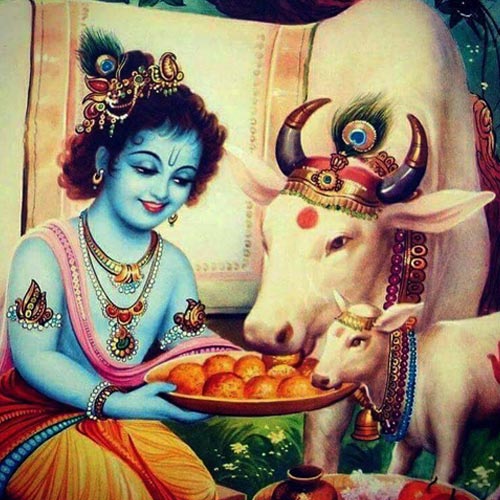
Honoring the Divine Bond Between Cattle and Mankind
Bahula Chauth, also known as Bol Chauth, is a unique and heartfelt Hindu festival dedicated to the worship of cattle. Predominantly celebrated in the state of Gujarat and parts of Central India, this festival highlights the deep-rooted respect Indian culture holds for animals, particularly cows, who are vital to the agrarian way of life.
Event Overview
-
Date: Monday, August 31, 2026 (Falls on the 4th day of the Krishna Paksha in the month of Bhadrapada/Shraavana).
-
Primary Deity: Lord Krishna and the Divine Cow, Bahula.
-
Significance: Celebrated for the well-being of cattle and the prosperity of the family, especially the longevity of children and husbands.
The Legend of Bahula Chauth
The festival is named after Bahula, a virtuous cow belonging to Lord Krishna’s herd.
The Test of Truth: According to legend, while Bahula was on her way to feed her hungry calf, she was intercepted by a hungry lion. Knowing she could not escape, Bahula pleaded with the lion to let her go just once so she could nurse her calf for the last time, promising to return and offer herself as food.
Skeptical but moved, the lion agreed. True to her word, Bahula returned to the lion after fulfilling her motherly duties. Lord Krishna, who had taken the form of the lion to test her devotion and truthfulness, was so impressed by her integrity that he revealed his true form. He blessed Bahula, declaring that from that day forward, she would be worshipped on this specific day, and her story would inspire generations.
Festivities and Celebrations
Bahula Chauth is a day of vibrant communal spirit, especially among the farming community.
-
Cleaning and Decoration: Farmers wake up at dawn to clean their cattle sheds and wash their cows and bulls. The animals are often decorated with sandalwood paste, turmeric, and garlands.
-
Krishna Worship: Portraits of Lord Krishna, often depicted playing the flute beside a cow, are worshipped. Devotees offer prayers for the health of their livestock and the success of their harvest.
-
Community Gathering: In villages, special evening sessions are organized where priests recite the Bahula Chauth Vrat Katha (the story of Bahula), enthralling the gathering with lessons of truth and sacrifice.
Rituals and Dietary Restrictions
The rituals of Bahula Chauth are strict and carry deep symbolic meaning:
-
The Vrat (Fast): Women observe a rigorous fast throughout the day for the protection and well-being of their children. The fast is traditionally broken only after sighting the moon in the evening.
-
Prohibition of Milk: In a beautiful gesture of respect, no milk or milk-based products (ghee, curd, sweets) are consumed on this day. This is to ensure that the milk belongs entirely to the calves.
-
Outdoor Cooking: A unique tradition involves cooking meals under the open sky and consuming them in the courtyard. The food usually consists of dishes made from millets and grains rather than rice or wheat.
-
Moon Sighting: The sighting of the moon is the climax of the festival. Women offer Arghya (water offering) to the moon before concluding their fast with a festive family meal.
Significance in Modern Times
Beyond the religious rituals, Bahula Chauth serves as a reminder of the ecological balance and the importance of treating animals with compassion. In an era of industrialization, the festival keeps the ancient tradition of gratitude toward nature and animals alive, emphasizing that our survival is intricately linked to the well-being of the creatures around us.
बहुला चौथ की व्रत कथा और आरती हिंदी में पढ़ें, क्लिक करें