A Celebration of Sufi Love, Universal Brotherhood, and the Legacy of Haji Waris Ali Shah
The Barabanki Mela, centered around the historic shrine of Deva Sharif, is one of India’s most significant cultural congregations. Celebrated annually in the Barabanki district of Uttar Pradesh, the fair honors the great Sufi Saint Haji Waris Ali Shah.
The hallmark of this festival is its message of "Sulah-e-Kul" (Peace to All). It is one of the few places in the world where people of all faiths—Hindus, Muslims, Sikhs, and Christians—gather with equal fervor to pay their respects, making it a definitive symbol of India's composite culture (Ganga-Jamuni Tehzeeb).
1. The Legacy of Saint Haji Waris Ali Shah
The fair commemorates the saint who famously proclaimed, "Rab sabka ek" (God is one for all).
-
The Urs: The fair is held during the month of Kartik (October/November) to mark the Urs (death anniversary) of the Saint’s father, though it has evolved into a massive celebration of the Saint’s own teachings of universal love.
-
The Shrine: The magnificent mausoleum of Deva Sharif is an architectural marvel, blending Indo-Persian styles. It stands as a testament to the devotion of his followers, many of whom were prominent Hindu kings and landlords of the era.
2. Key Attractions of the Barabanki Mela
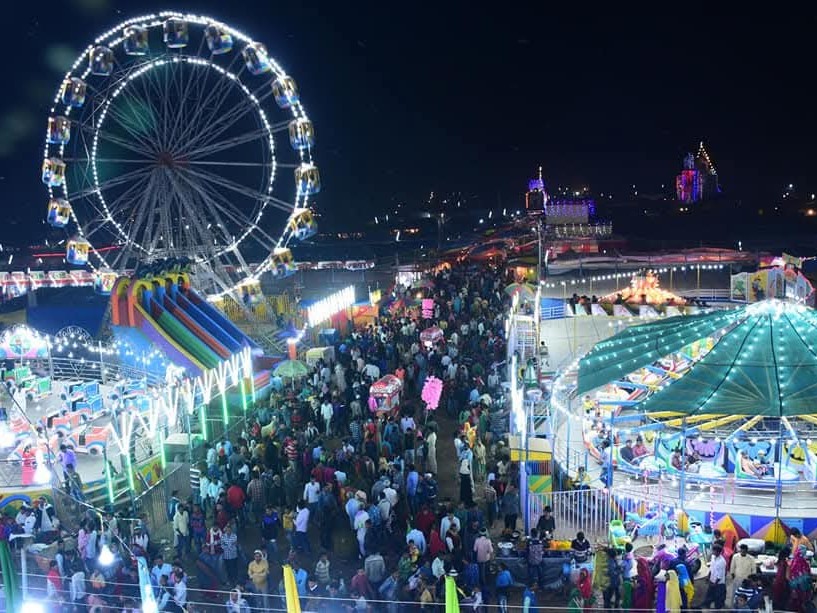
The Barabanki Mela is a 10-day extravaganza that offers a blend of spiritual solace and rustic entertainment.
The Cattle Fair
Following the tradition of North Indian "Mela" culture, Barabanki hosts a massive livestock market. It is particularly famous for its trade in high-quality cattle, attracting farmers and traders from across Uttar Pradesh and neighboring states.
Musical and Cultural Evenings
The mela is a prestigious platform for performing arts:
-
Sufi Qawwali: Renowned Qawwals from across India perform throughout the night, creating a transcendental atmosphere at the shrine.
-
Mushaira and Kavi Sammelan: The fair hosts some of the country’s most respected poets, celebrating both Urdu and Hindi literature.
-
Classical Music: Many doyens of Indian classical music have historically performed here as a mark of respect to the Saint.
The Marketplace
The fairgrounds transform into a sprawling bazaar where visitors can find:
-
Handmade artisanal crafts and traditional pottery.
-
Local culinary delights, specifically the famous sweets and kebabs of the Awadh region.
-
Giant wheels and traditional circuses that provide entertainment for families.
3. Historical Significance: A Bridge of Faith
Historically, the Barabanki Mela played a crucial role in maintaining social harmony during the colonial era. The Saint’s disciples included people from every strata of society, and today, the fair is often inaugurated by dignitaries from various religious backgrounds to reinforce the message of unity.
4. Traveler’s Guide for 2026
Dates: The fair is usually held in October or November, aligning with the Kartik month of the Hindu calendar. (Check local district listings for the exact 10-day window).
How to Reach:
-
By Air: The nearest airport is Chaudhary Charan Singh International Airport (Lucknow), approximately 45 km away.
-
By Rail: Barabanki Junction is well-connected to major cities. Alternatively, one can travel from Lucknow Charbagh station.
-
By Road: Deva Sharif is about 12 km from the Barabanki district headquarters and 25 km from Lucknow city.
5. Frequently Asked Questions
What is the dress code for visiting Deva Sharif? As a mark of respect, visitors are expected to dress modestly. Both men and women should cover their heads with a scarf or handkerchief when entering the inner sanctum of the shrine.
Is the Barabanki Mela safe for international tourists? Yes, the fair is well-managed by the local administration and the Dewa Sharif Trust. It is a popular spot for foreign researchers and photographers interested in Sufi traditions.
What is the significance of the "Chadar" offering? Offering a Chadar (ceremonial cloth) at the shrine is a traditional way of seeking the Saint's blessings. These cloths are often intricately embroidered and represent the devotee's prayers.
इस आर्टिकल को हिंदी में पढ़ने के लिए यहां क्लिक करें