
Kerala Village Fair
The Kerala Village Fair is a 10-day festival and it is held every year in the lush villages around Kovalam, […]
The Kerala Village Fair is a 10-day festival and it is held every year in the lush villages around Kovalam, Kerala. It is a big opportunity.
Gramam: Step Back in Time at the Kerala Village Fair
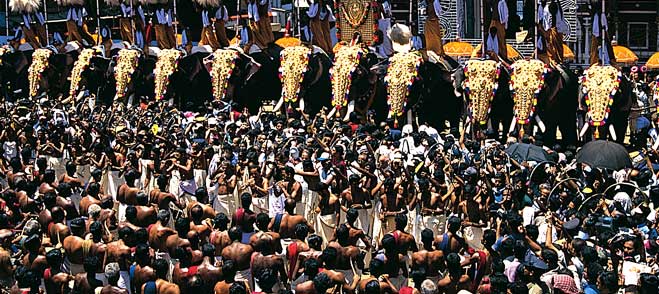
In a world moving at lightning speed, the Kerala Village Fair, known locally as Gramam, serves as a nostalgic “time machine.” Held annually in the coastal outskirts of Kovalam, Thiruvananthapuram, this ten-day festival is not just an event; it is a meticulous reconstruction of a traditional Keralite village as it existed a century ago.
For ten days, the modern world fades away, replaced by the sights, sounds, and rhythms of a bygone era. It is a celebration of the “Malayali” soul, where the heritage of “God’s Own Country” is curated with breathtaking authenticity.
1. The Living Museum: Recreating the Nalukettu
The centerpiece of the fair is the Nalukettu, a traditional quadrangular ancestral home of the Kerala aristocracy. Built with exquisite wood carvings, clay tiles, and an open central courtyard, the Nalukettu is more than architecture—it is a symbol of a community that lived in harmony with the elements.
As you wander through the fair, you don’t just see exhibits; you see a living village. Artisans occupy the porches, weaving palm leaves, spinning coir, and carving sandalwood, exactly as their ancestors did. It is a rare opportunity to witness the craftsmanship that defined Kerala before the industrial age.
2. Act I: The Rhythm of the Folk Arts
While Kerala is world-renowned for the classical grace of Kathakali, the Village Fair shines a spotlight on the Folk Arts—the raw, energetic performances of the rural heartland.
-
The Masks of Theyyam: Witness the vibrant, fierce deities of Theyyam as they perform ritualistic dances, their massive headdresses swaying to the beat of the Chenda (drums).
-
The Martial Mastery of Kalaripayattu: Watch the practitioners of the world’s oldest martial art leap through the air with swords and shields, demonstrating a level of agility that seems to defy gravity.
-
The Melodies of Pulluvan Pattu: Listen to the haunting, soulful strings of the Pulluvan Veena, used in ancient serpent worship rituals.
3. Act II: Flavors of the Hearth
No journey to a Kerala village is complete without its culinary heritage. The fair features authentic food stalls that bypass modern fusion for the “real deal.”
-
The Chaya Kkada: Sit on a wooden bench at a traditional tea shop and enjoy a glass of “meter chai” with local snacks like Pazham Pori (banana fritters).
-
The Sadya Experience: Served on a fresh plantain leaf, the village meal includes home-grown varieties of rice, Avial (mixed vegetable coconut stew), and tangy Inji Puli (ginger-tamarind chutney).
-
Spices of the Coast: The air is thick with the scent of fresh cardamom, pepper, and cloves, reminding visitors why explorers traveled across oceans just to reach these shores.
4. Craftsmanship and Curios: The Gramam Marketplace
The fair provides a platform for rural artisans to showcase their work directly to visitors. This is the perfect place to find:
| Item | Heritage Value |
| Aranmula Kannadi | The famous metal mirrors whose composition remains a secret. |
| Balaramapuram Saris | Exquisite handloom cotton with pure zari borders. |
| Coir Handicrafts | Sustainable items made from the versatile coconut fiber. |
| Kathakali Models | Hand-painted miniature masks made from wood and natural dyes. |
5. Practical Guide for the Cultural Traveler
-
Location: Usually held at Kovalam, specifically at the heritage village of Tharavad.
-
Dates: Generally takes place in mid-January, coinciding with the peak travel season in Kerala.
-
Evening Highlights: Every night features a different cultural program, ranging from classical music to puppet shows (Tholpavakoothu).
-
Entry: Open to all, making it a favorite for both international tourists and local families looking to reconnect with their roots.
6. The Human Connection: Preserving the “Pacha” (Green) Soul
The Kerala Village Fair is a reminder of the “Pacha” (green/pure) essence of the state. It challenges the idea that progress must mean the loss of identity. By visiting the fair, you aren’t just a spectator; you are a patron of the arts, helping to ensure that the secrets of the weavers, the songs of the boatmen, and the wisdom of the village elders are passed down to the next generation.
If you could live in any era of history for just one day, would you choose the simplicity of a 19th-century Kerala village? The doors of the Nalukettu are open, and the tea is brewing.
इस आर्टिकल को हिंदी में पढ़ने के लिए यहां क्लिक करें