
The International Lavi Fair
Lavi Fair Himachal Pradesh will be held in November and is popular for display of special local goods accessories and […]
Lavi Fair Himachal Pradesh will be held in November and is popular for display of special local goods accessories and products
A Legacy of Himalayan Trade and Culture
The International Lavi Fair, held annually in Rampur Bushahr, Himachal Pradesh, stands as one of the most significant commercial and cultural landmarks in the Western Himalayas. With a documented history spanning over 300 years, this four-day event in November serves as a testament to the ancient trade routes that once connected India with Tibet, Ladakh, and Afghanistan.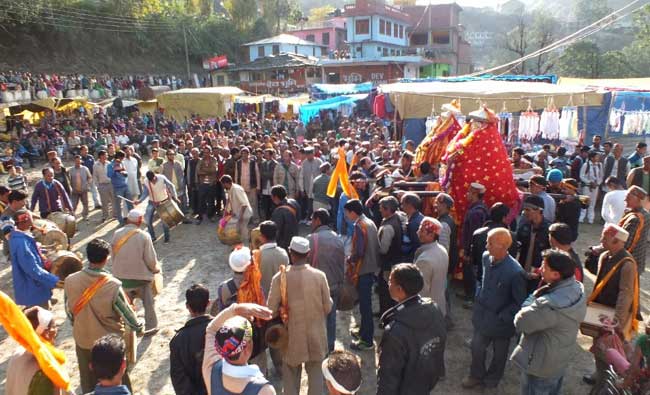
Historical Foundations and Diplomatic Roots
The origins of the Lavi Fair are tied to a historic trade treaty signed during the reign of Raja Kehar Singh of the erstwhile Bushahr State and Tibet. This agreement established a robust exchange of goods, symbolized by the mutual gifting of swords and horses. While geopolitical shifts eventually halted direct trade with Tibet, the fair was revitalized by the government to preserve the economic vitality of the region. Today, it holds “International” status, reflecting its scale and importance in the modern era.
Core Pillars of the Fair
1. Commercial Exchange and Indigenous Products
The Lavi Fair remains a primary marketplace for high-quality Himalayan commodities. Traders from across the state and neighboring regions congregate to buy and sell:
-
Pashmina and Woolens: Hand-woven shawls, “pattoos,” and traditional woolen garments.
-
Dry Fruits and Spices: Premium walnuts, almonds, dried apricots, and the highly sought-after “Kala Zira” (Black Cumin).
-
Agricultural Tools: Essential implements tailored for mountain farming.
2. The Chaumkhi Horse Trade
A distinctive feature of the fair is the trade of the Chaumkhi horse, a breed native to the tribal highlands. Renowned for its endurance and sure-footedness in rugged terrain, these horses are a major attraction for breeders and traders. Competitions and displays are organized to showcase the finest specimens of this resilient breed.
3. Spiritual and Ritualistic Traditions
The commencement of the fair is marked by an age-old ritual involving the churning of the Satluj River waters. Tradition dictates that no official trade or barter can occur until this ceremony is completed. This act invokes the blessings of local deities for a prosperous trading season and reinforces the community’s connection to the natural elements.
Cultural Splendor and Community Engagement
-
Folk Arts: The evenings are brought to life by traditional Nati dance performances and folk music. These displays are not merely entertainment but a vital preservation of Himachali oral traditions and legends.
-
Handicraft Exhibitions: The fair provides a critical platform for local artisans to exhibit bamboo work, wood carvings, and traditional weaving, bridging the gap between rural craftsmanship and urban consumers.
-
Gastronomy: Visitors can experience authentic regional flavors, including “Sidu” (fermented bread) and “Chana Madra,” offered at various community-run food stalls.
Strategic Significance for Visitors
| Category | Details |
| Primary Dates | Typically November 11th to 14th |
| Location | Rampur Bushahr, District Shimla (Banks of River Satluj) |
| Accessibility | Approximately 130 km from Shimla; well-connected via NH-5 |
| Key Appeal | Authentic Himalayan trade, tribal heritage, and winter shopping |
Evolution into the Modern Era
Under the aegis of the state government, the Lavi Fair has integrated modern amenities such as talent shows, contemporary music concerts, and modernized stalls. These additions ensure that the fair remains relevant to the younger generation while maintaining its core identity as a bridge to the past.
Engagement Opportunities
The Lavi Fair offers a rare window into the “Old Silk Road” spirit of the Himalayas. Whether you are a commercial buyer looking for premium mountain produce or a traveler seeking a deep cultural immersion, Rampur during the Lavi Fair provides an unparalleled experience.
Tagline: Lavi Fair: Where the ancient trade routes meet modern Himalayan life.