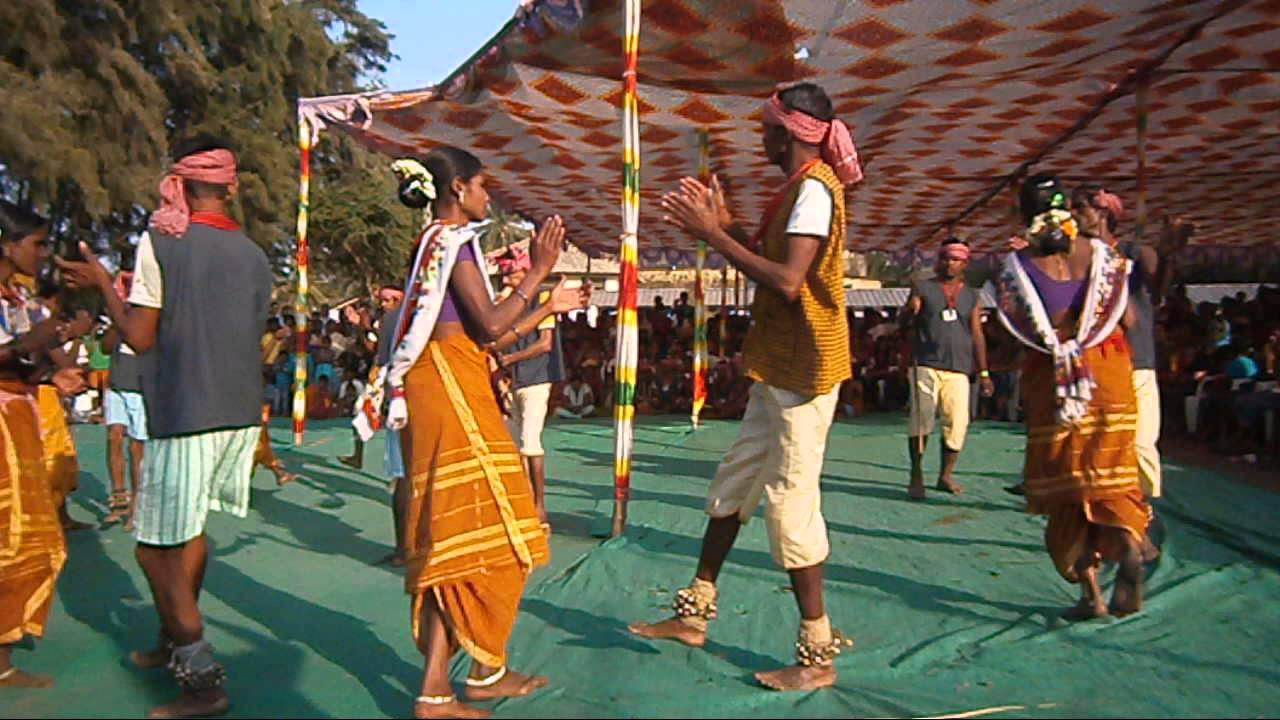
The Tarpa Festival is a vibrant and deeply rooted tribal celebration of Dadra and Nagar Haveli, reflecting the rich indigenous culture of the region. Named after the Tarpa, a traditional wind instrument, this festival is a powerful expression of community life, unity, and cultural pride. It brings together tribal communities through music, dance, art, and shared traditions that have been preserved for generations.
Celebrated mainly in the month of December, the Tarpa Festival is not just an event — it is a living tradition that showcases the heartbeat of tribal society.
History and Origin of Tarpa Festival
The origins of the Tarpa Festival lie in the ancient customs of the tribal communities of western India, especially the Varli, Kokna, and Koli tribes. These communities have always lived in close harmony with nature, forests, rivers, and seasonal cycles. Their festivals are deeply connected to agriculture, harvest, and gratitude towards nature.
The tarpa instrument itself has a long history. Traditionally made from bamboo, gourd, and natural materials, the tarpa was used by tribal people during important occasions, seasonal changes, and community gatherings. Over time, the tarpa became more than just a musical instrument — it became a symbol of togetherness, rhythm of life, and cultural identity.
The Tarpa Festival evolved as a formal celebration to preserve and promote these traditions, especially as modern influences began reaching tribal regions. Today, it stands as a reminder of the strength of indigenous heritage and the importance of keeping cultural roots alive.
The Cultural Significance of Tarpa
In tribal culture, music is not separate from life — it is part of everyday living. The sound of the tarpa is believed to:
-
Bring the community together
-
Create harmony among people
-
Mark moments of joy and celebration
-
Strengthen social bonds
The tarpa is played by a Tarpakar (tarpa player), and the entire dance movement depends on the rhythm he creates. This shows how one person’s rhythm guides the collective — a powerful symbol of unity and cooperation in tribal society.
The Famous Tarpa Dance
The highlight of the festival is the Tarpa Dance, performed in a circular formation around the tarpa player. Men and women hold hands and move gracefully in rhythm with the music. The steps change according to the speed and pattern of the tarpa’s sound.
This circular dance is not just for entertainment. It represents:
-
Equality among all participants
-
Unity of the community
-
The cycle of life and nature
-
Shared happiness and collective strength
The dance often continues late into the night, filled with laughter, music, and celebration.
Festival Activities and Celebrations
The Tarpa Festival is a colourful blend of cultural and recreational events. Some of the main attractions include:
1. Folk Music and Dance Performances
Traditional tribal groups perform dances that narrate stories of daily life, harvest, forests, and ancestors.
2. Art and Craft Exhibitions
Local artists showcase tribal paintings, tattoo designs, handicrafts, and natural jewellery that reflect indigenous creativity.
3. Sports and Traditional Games
Boat races, swimming competitions, and local sports highlight physical strength and community spirit.
4. Rangoli and Tattoo Art Competitions
These art forms are deeply connected to tribal identity and symbolism.
5. Cultural Evenings and Storytelling
Elders share folk tales, legends, and life experiences, passing wisdom to the younger generation.
These activities make the festival a complete cultural experience, not just a performance event.
Social and Community Importance
The Tarpa Festival plays a crucial role in:
-
Strengthening bonds between villages
-
Preserving tribal traditions and languages
-
Encouraging participation of youth in cultural activities
-
Creating pride in indigenous identity
It is a time when generations come together — elders guide, adults participate, and children observe and learn.
Why the Tarpa Festival Matters Today
In a rapidly modernising world, many indigenous traditions are at risk of being forgotten. The Tarpa Festival stands as a strong reminder that progress should not mean losing our roots. It protects art forms, music, and customs that are unique and irreplaceable.
The festival also attracts visitors and cultural enthusiasts, helping people from outside understand and respect tribal ways of life.
A Message for the Youth: Learn, Respect and Carry Forward
The Tarpa Festival is not only about the past — it is about the future of culture. For today’s youth, it offers powerful lessons:
-
Be proud of your roots
-
Respect indigenous traditions
-
Learn from the wisdom of elders
-
Understand that culture is strength, not weakness
-
Carry forward traditions with confidence
Indigenous festivals like Tarpa teach us simplicity, unity, respect for nature, and community living — values that the modern world deeply needs.
By learning about and participating in such festivals, young people become guardians of heritage, ensuring that the rhythm of tribal life continues to echo through generations.
Preserving the Rhythm of Tradition
The Tarpa Festival is more than music and dance — it is the soul of tribal identity, the rhythm of community life, and the voice of indigenous heritage. It reminds us that every culture, no matter how small, carries wisdom, beauty, and history.
As long as the tarpa continues to play and people continue to dance around it, the spirit of unity, tradition, and pride will live on.
How to Reach Tarpa Festival & Travel Tips for Visitors
The Tarpa Festival is mainly celebrated in Dadra and Nagar Haveli, now part of the Union Territory of Dadra & Nagar Haveli and Daman & Diu. The region is well-connected by road and is easily accessible from major cities in western India.
How to Reach Dadra and Nagar Haveli
By Air
-
The nearest major airport is Mumbai International Airport, around 170 km away.
-
Another option is Surat Airport, approximately 140 km away.
-
From the airport, taxis and buses are available to reach Silvassa and nearby tribal areas.
By Rail
-
The nearest railway station is Vapi (Gujarat), about 18 km from Silvassa.
-
Vapi is well-connected to Mumbai, Surat, Ahmedabad, and other major cities.
-
From Vapi, you can take a taxi, auto, or local bus to reach the festival locations.
By Road
-
Dadra and Nagar Haveli is well connected by road to Mumbai, Surat, Vapi, and Nashik.
-
Regular buses run from Mumbai and Surat to Silvassa.
-
Private taxis and self-drive options are also convenient.
Travel Tips for Visitors
-
Plan in Advance: The festival attracts many visitors, so book accommodation early.
-
Respect Local Culture: Dress modestly and be respectful while photographing tribal communities.
-
Carry Cash: Some remote areas may not have digital payment facilities.
-
Stay Hydrated: December is pleasant, but daytime activities can still be tiring.
-
Follow Local Guidance: Always listen to local organisers and guides for safe movement.
-
Support Local Artisans: Buy handicrafts directly from tribal artists to support their livelihood.
Visiting the Tarpa Festival is not just travel — it is a cultural experience. Go with an open mind and respectful heart.
Tarpa Festival Schedule
The Tarpa Festival usually takes place over 2 to 3 days in December, with each day dedicated to different cultural, artistic, and community activities. While the exact schedule may vary each year, a typical festival flow looks like this:
Day 1: Opening Ceremony & Cultural Welcome
-
Inauguration by local authorities and tribal leaders
-
Lighting of the ceremonial lamp
-
Traditional prayers and blessings
-
Opening folk dance performances
-
Introduction to tribal customs and festival significance
This day sets the cultural tone and welcomes visitors into the tribal world.
Day 2: Tarpa Dance, Competitions & Tribal Sports
-
Grand Tarpa Dance performances by different villages
-
Folk music and group dance competitions
-
Traditional sports events like boat races and swimming competitions
-
Rangoli and tattoo art contests
-
Handicraft and food stalls open throughout the day
This is the most vibrant and energetic day of the festival.
Day 3: Cultural Showcases & Closing Celebrations
-
Tribal drama and storytelling sessions
-
Children’s cultural performances
-
Prize distribution for competitions
-
Felicitation of senior artists and community leaders
-
Closing ceremony with mass Tarpa dance
The final day celebrates unity and brings all participants together in one grand rhythm.
Interesting Facts About Tarpa Festival
The Tarpa Festival is not just visually beautiful — it is culturally deep and full of fascinating details that make it truly special. Here are some interesting facts that enrich the understanding of this indigenous celebration:
1. The Tarpa Controls the Dance
In Tarpa dance, the entire movement of the dancers depends on the rhythm played by the Tarpakar (tarpa player). When the music speeds up, the steps become faster; when it slows, the dancers adjust. This shows perfect coordination and trust between the musician and the community.
2. No Fixed Steps – Only Rhythm
Unlike classical dances, Tarpa dance does not follow rigid choreography. The steps are spontaneous and flow naturally with the music. This makes every performance unique and full of life.
3. Men and Women Dance Together
In many tribal dances, men and women perform separately. In Tarpa dance, they hold hands and dance together in a circle, symbolising equality, unity, and collective strength.
4. The Dance Always Forms a Circle
The circular formation represents:
-
Unity of the community
-
The cycle of life and nature
-
Togetherness without hierarchy
There is no front or back — everyone is equal in the circle.
5. The Tarpa Is Made from Natural Materials
Traditionally, the tarpa instrument is crafted using bamboo, gourd, leaves, and other forest materials. This reflects the deep connection of tribal communities with nature.
6. It Is Both a Cultural and Social Festival
The Tarpa Festival is not only about performance. It is also a time for:
-
Meeting relatives from other villages
-
Strengthening social bonds
-
Sharing food and stories
-
Resolving differences and renewing relationships
It plays an important role in maintaining harmony within the community.
7. Elders Are the Cultural Guides
Senior members of the tribe play a key role in teaching songs, dance patterns, and traditions to the younger generation. The festival becomes a living classroom of culture.
8. Each Village Brings Its Own Style
Different villages perform Tarpa dance with slight variations in rhythm, dress, and movement. This adds diversity while keeping the core tradition intact.
Best Time to Visit Tarpa Festival & Weather Guide
Planning your visit at the right time helps you enjoy the Tarpa Festival more comfortably and meaningfully.
Best Time to Visit
The Tarpa Festival is usually celebrated in December, which is one of the best months to visit Dadra and Nagar Haveli.
Reasons why December is ideal:
-
Pleasant and mild weather
-
Comfortable for outdoor performances
-
Ideal for travel and sightseeing
-
Perfect for enjoying day-long cultural events
This period also marks the festive season in many parts of India, adding to the overall celebratory atmosphere.
इस आर्टिकल को हिंदी में पढ़ने के लिए यहां क्लिक करें