
Wednesday, July 14, 2027
Kharchi Puja
Kharchi Puja is one of the main festivals of Tripura, the pride of Tripura, and this year it will be […]
Tripura
National
Kharchi Puja is one of the main festivals of Tripura, the pride of Tripura, and this year it will be celebrated in July. Come and Enjoy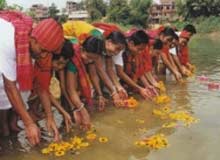
The Kharchi Puja (or Kharchi) is one of the most fascinating and ancient festivals of Tripura. Often called the “Festival of 14 Gods,” it is a grand display of the tribal-non-tribal synthesis that defines the state’s unique culture.
While the basic ritual is about worship, the deeper layer is about Earth’s purification. Here is the traditionally enriched and interactive guide to Kharchi Puja.
1. The History: A Royal Legacy
- The Royal Patronage: Kharchi Puja was originally the festival of the Tripuri Royal Family. It is centered around the Chaturdasha Devta Temple in Old Agartala (Puran Agartala).
- The “Earthly” Roots: The word ‘Kharchi’ is derived from the Tripuri word Khya (Earth) and Chi (Cleaning). Literally, it is the Cleaning of the Earth.
- Mythological Origins: Legend says that after Goddess Earth was “polluted” during her menstrual cycle (represented by the Ambubachi period), Kharchi Puja was performed to purify the soil so that life and agriculture could flourish again.
2. The Legends: The Fourteen Heads
Unlike most Hindu festivals, where full-bodied idols are worshipped, Kharchi Puja is famous for the Fourteen Golden Heads of the deities.
- The Pantheon: These include Hara (Shiva), Uma (Parvati), Hari (Vishnu), Maa (Lakshmi), Bani (Saraswati), Kumar (Kartikeya), Ganapa (Ganesha), Brahma, Prithi (Earth), Abdhi (Ocean), Ganga, Shikhi (Agni), Kamadeva, and Himadri (Himalayas).
- The Kokborok Connection: While these names are Sanskritized today, they originally represented the traditional tribal deities of the Tripuri people, showcasing a beautiful blend of Vedic and Tribal faith.
3. Significance: The Ritual of Purification
- Soil Sanctity: The festival begins with the Snanam (bathing) of the 14 deities in the holy waters of the Saidra River. They are then carried back to the temple in a grand procession, draped in traditional fabrics.
- Ahimsa and Sacrifice: Traditionally, the festival involved animal sacrifices to appease the deities for a good harvest, though today the focus has shifted more toward symbolic offerings and massive community prayers.
- State Unity: It is a rare festival where the Rajbari (Royal Palace) customs are followed by the common public, uniting the hills and the plains of Tripura.
4. Youth-Centric Topics: “Heritage in the Modern Age.”
- The “Eco-Festival” Angle: At its core, Kharchi is about Soil Health. Youth can relate this to modern concepts of “Organic Farming” and “Sustainability”—protecting the Earth that feeds us.
- Tribal Fashion & Aesthetics: The festival is the best time to see the Rignai and Risu (traditional Tripuri attire). Many young designers in the Northeast are now reimagining these patterns for global runways.
- The Mela Culture: The Kharchi Mela is a “Cultural Startup Hub.” From local bamboo crafts to tribal food stalls, it’s where heritage meets entrepreneurship.
5. Interactive Elements: “Engage with the 14 Gods.”
- The “Holy Dip” Photography Contest: For visitors, capturing the reflection of the golden deities in the Saidra River during the morning ritual is a spiritual and artistic challenge.
- Kokborok Language Minute: Learn 5 basic phrases in Kokborok (the local language) used during the festival, such as “Khulumkha” (Greetings/I bow to you).
- The Bamboo Craft Challenge: Since Tripura is famous for bamboo, interactive stalls allow youth to try making a small ‘Tokari’ (basket) or a traditional musical instrument under the guidance of master craftsmen.
- Digital Wishing Wall: A screen where devotees can “type” their prayers for Mother Earth, which are then displayed alongside the traditional chants.
6. Major Attractions (The “Vibe” Check)
- The Procession: Seeing the 14 golden heads being carried by the priests (Chantai) is a sight of pure regal splendor.
- The Cultural Stage: Every evening, the Mela ground hosts Hojagiri (the famous balance dance of Tripura) and other folk performances that keep the energy high.
- Tribal Delicacies: A must-try is the Mui Borok (traditional Tripuri cuisine) and local bamboo-shoot dishes that offer a flavor profile found nowhere else in India.
Summary Table
|
Duration
|
7 Days (Usually in July) |
|
Location
|
Puran Agartala, Tripura |
|
Key Ritual
|
Bathing the 14 Deities in Saidra River |
|
Priest Title
|
Chantai (The Royal Priest) |
|
Traditional Food
|
Mosdeng and Bangui (Sticky Rice) |
Here is a quick-reference guide to the Fourteen Deities and a Short-Form Itinerary for your trip.
The 14 Deities of Kharchi (In Brief)
These golden heads represent the entire universe. Identifying them helps you understand the “Logic of the 14”:
|
The Trinity+
|
Hara (Shiva), Hari (Vishnu), Brahma | Creation, Preservation, & Transformation. |
|
The Goddesses
|
Uma (Parvati), Maa (Lakshmi), Bani (Saraswati) | Power, Wealth, & Wisdom. |
|
The Elements
|
Prithi (Earth), Abdhi (Ocean), Ganga, Shikhi (Fire) | The core physical building blocks of life. |
|
The Celestial
|
Kumar (Kartikeya), Ganapa (Ganesha), Himadri (Himalayas), Kamadeva | Protection, Success, Nature, & Love. |
Tripura Express Itinerary (2-Day Summary)
Day 1: Rituals & Culture
- Morning (6 AM): Witness the Snanam (Holy Bath) of the 14 Golden Heads at the Saidra River.
- Afternoon: Explore Kharchi Mela; shop for authentic bamboo crafts and hand-woven Rignai.
- Evening: Enjoy Hojagiri folk dance performances at the festival grounds.
Day 2: Royal History & Landmarks
- Morning: Visit Ujjayanta Palace (Agartala) to see the royal history of the festival.
- Afternoon: Trip to Neermahal, the stunning Water Palace in the middle of Rudrasagar Lake.
- Evening: Try Mui Borok (Tribal cuisine) and head back.
इस आर्टिकल को हिंदी में पढ़ने के लिए यहां क्लिक करें