
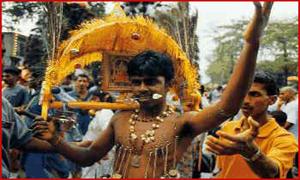
Festival of Devotion, Courage, and Spiritual Triumph
Thai Poosam, also known as Thaipusam, is an important and deeply symbolic festival observed by Hindus — especially within the Tamil community across India and around the world — during the Tamil month of Thai (which typically spans January and February). The name of the festival itself reflects this timing, combining Thai (the month) and Poosam/Pusam, the name of the star under which it is celebrated.
The Spiritual Significance of Thai Poosam
At its core, Thai Poosam commemorates a pivotal moment in Hindu mythology — when Goddess Parvati gifted Lord Murugan (also called Kartikeya or Subrahmanya) a divine spear (Vel) to help him defeat the demon army of Surapadman. This act symbolizes the triumph of good over evil, courage over fear, and devotion over adversity. Murugan, the Hindu god of war, victory, wisdom and righteousness, is especially revered in South Indian and Tamil traditions, and Thai Poosam stands as one of the most heartfelt festivals associated with his worship.
When Thai Poosam Is Celebrated
Thai Poosam is observed on a full moon day in the Tamil month of Thai, when the Poosam (Pushya) star reaches its highest point in the sky. Because the Tamil month of Thai overlaps January and February, the festival falls within this period each year. Much of the festival’s cultural meaning is tied to this lunar and stellar alignment rather than a fixed calendar date, making the month of Thai itself central to the celebration.
Rituals, Practices, and Cultural Traditions
Thai Poosam is marked by several distinctive devotional and cultural practices, deeply rooted in faith and community participation:
Devotional Penance and Kavadi Attam
Many devotees undertake acts of penance or vow-making as a demonstration of faith and gratitude. One well-known practice is carrying a kavadi — a ceremonial frame decorated with flowers and peacock feathers — balanced on the shoulders, often as part of a pilgrimage to Murugan temples. The kavadi can represent a physical burden borne in devotion.
Body Piercing and Sacrifice
In some traditions, devotees pierce their cheeks, tongues or bodies with small spears (alavattam or vel) as an intense act of devotion and self-sacrifice. This symbolic gesture reflects personal vows made to Lord Murugan and is seen as a means of spiritual purification and fulfillment of devotional promises.
Milk Offerings and Temple Rituals
Many devotees prepare and carry pots of milk or other offerings to Murugan temples. The milk is offered at the deity’s sanctum in a ritual (abhishekam) believed to invoke blessings, spiritual strength, and divine guidance.
Fasting and Prayer
Observing fasts, performing special pujas, and reciting prayers are common practices during Thai Poosam. These acts are seen as ways to deepen spiritual focus, express gratitude, and seek Murugan’s protection and grace.
Community and Cultural Importance
Thai Poosam is not only a religious observance but also a cultural celebration that fosters community unity and shared identity. In Tamil Nadu and other regions with a strong Tamil heritage — such as parts of Sri Lanka, Malaysia, Singapore, South Africa, Mauritius, Fiji, and among Tamil diaspora communities worldwide — large processions and temple festivities bring people together to celebrate faith, endurance, and collective tradition.
The festival draws visitors and devotees from diverse backgrounds, combining spiritual devotion with cultural spectacle. Like other major festivals, Thai Poosam has also become an occasion for cultural tourism, inviting people to experience local traditions, temple rituals, and communal celebrations. This draws parallels with how regional festivals in India — whether temple arts in Kerala or ritual processions of South India — contribute to cultural heritage tourism and community engagement beyond purely religious observance.
The Essence of Thai Poosam Today
Thai Poosam continues to resonate because it connects ancient mythology, personal devotion, and collective cultural identity. It is a time for spiritual reflection, thanksgiving, and reaffirming one’s faith in the values of bravery, righteousness, and devotion that Lord Murugan represents. By observing this festival during the month of Thai, devotees actively participate in a tradition that blends mythology with lived faith, personal vows with communal joy, and religious ritual with cultural expression.
How Devotees Prepare for and Observe Thai Poosam (Thaipusam)
Thai Poosam is not observed as a single-day ritual alone. For devotees, it is a deeply personal spiritual journey that begins days or even weeks before the festival and continues through acts of devotion, discipline, and gratitude. Preparation and observance focus on physical purity, mental strength, and unwavering faith in Lord Murugan.
Spiritual Preparation Before Thai Poosam
Taking a Vow (Vratham)
Many devotees begin by taking a vratham or sacred vow. This vow represents a personal promise to Lord Murugan, often made while seeking blessings, strength, or the fulfillment of a wish. The vratham period may last several days or weeks leading up to Thai Poosam.
Dietary Discipline
During the preparation phase, devotees usually follow a strict vegetarian diet. Some avoid onions, garlic, alcohol, and processed foods. Simple meals are preferred as a way to purify the body and practice self-control.
Fasting and Self-Restraint
Partial or complete fasting is common, especially in the days leading to the festival. Along with food restrictions, devotees may also avoid negative speech, anger, and distractions, focusing instead on prayer and devotion.
Daily Prayers and Chanting
Devotees regularly chant Murugan mantras, sing devotional songs, or recite hymns such as Kanda Shasti Kavasam. These daily practices help build spiritual focus and mental resilience.
Preparing for Kavadi and Offerings
Kavadi Preparation
Devotees who plan to carry a kavadi begin preparing it well in advance. The kavadi is decorated with flowers, peacock feathers, and symbolic elements representing Lord Murugan. It symbolizes the burden of ego being surrendered to divine will.
Physical and Mental Readiness
Carrying a kavadi requires endurance and concentration. Devotees prepare themselves mentally through meditation and prayer, believing that faith helps them overcome physical strain.
Milk and Sacred Offerings
Many devotees prepare to carry pots of milk, water, or other sacred offerings. These are often carried on the head or shoulders and later offered to the deity during temple rituals.
Observing Thai Poosam on the Festival Day
Early Morning Rituals
The day usually begins before sunrise with a ritual bath, symbolizing purification. Devotees wear clean, traditional clothing, often in saffron, yellow, or simple attire.
Temple Visits and Processions
Devotees walk barefoot in processions toward Murugan temples. Chanting, devotional music, and rhythmic drumbeats accompany the journey, creating a spiritually charged atmosphere.
Kavadi Attam
Those carrying kavadi perform Kavadi Attam, a slow, rhythmic movement often accompanied by trance-like devotion. This act reflects complete surrender and faith in Lord Murugan’s protection.
Acts of Penance
Some devotees observe body piercing rituals, such as piercing the cheeks or tongue with small spears (vel). These acts are undertaken with spiritual guidance and deep belief, symbolizing sacrifice, discipline, and fulfillment of vows.
Temple Rituals and Offerings
Abhishekam and Puja
Milk, honey, sandalwood paste, and other offerings are used in abhishekam (ritual bathing of the deity). Devotees participate in special pujas conducted throughout the day.
Breaking the Fast
After completing temple rituals and offerings, devotees break their fast. The meal is usually simple and offered first in gratitude to the deity.
Post-Festival Observance and Reflection
Gratitude and Charity
Many devotees conclude Thai Poosam by offering food, donations, or service to others. Acts of charity are seen as an extension of devotion.
Spiritual Reflection
After the festival, devotees reflect on their journey, believing that the discipline and devotion practiced during Thai Poosam bring inner clarity, emotional strength, and spiritual growth.
The Deeper Meaning of Observance
Thai Poosam is not just about rituals or physical endurance. It is about surrender, faith, and transformation. Every step — from preparation to observance — is meant to help devotees overcome ego, fear, and obstacles, while strengthening their connection with Lord Murugan.
For many, observing Thai Poosam becomes a powerful reminder that true devotion lies in discipline, humility, and unwavering belief.
Whether experienced through temple visits, kavadi processions, or participation in community events, Thai Poosam remains a living celebration of spiritual devotion and cultural continuity.