
Valmiki Ashram: The Sacred Sanctuary of the Ramayana
Valmiki Ashrams is a popular religious site located in various part of India like:Valmiki Tiranth in Amritsar , Bhagwan Valmik […]
Valmiki Ashrams is a popular religious site located in various part of India like:Valmiki Tiranth in Amritsar , Bhagwan Valmik Ashram in Chitrakut etc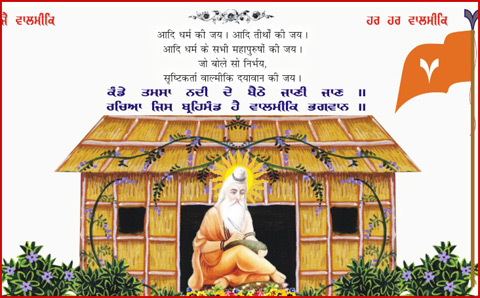
The Valmiki Ashram is more than a religious site; it is the literary cradle of Indian civilization. It is here that the Maharishi Valmiki (the Adi Kavi) transformed from a seeker into a sage, composed the 24,000 verses of the Ramayana, and provided a sanctuary for Mata Sita during her exile.
Today, several sites across India are identified as the location of this ancient hermitage. Below is an authoritative breakdown of these sacred landmarks, their history, and their modern significance.
1. Bhagwan Valmiki Tirath Sthal (Ram Tirath), Amritsar
Located 11 km from the city of Amritsar, this is the most prominent and architecturally significant Valmiki Ashram in India.
The Scriptural Heritage
-
The Refuge of Sita: After being exiled from Ayodhya, Mata Sita sought protection here. The ashram served as her home for several years.
-
Birth of Luv and Kush: The twin sons of Lord Rama were born and raised in this ashram. Visitors can still see the Kutiya (hut) believed to be their birthplace.
-
The Battlefield of Devotion: This is where Luv and Kush captured the Ashvamedha horse, leading to a legendary confrontation with the armies of Ayodhya, including their father, Lord Rama.
Modern Architecture & Engineering
In recent years, the Punjab Government invested over ₹200 Crores ($25M+) to renovate this site into a world-class memorial.
-
The Golden Idol: The centerpiece is an 8-foot-tall, 800-kg gold-plated statue of Maharishi Valmiki.
-
The Sacred Sarovar: A massive holy tank (pond) surrounds the temple, where a dip is believed to wash away sins.
-
The Panorama Museum: A high-tech museum that uses digital storytelling to walk visitors through the life of Valmiki and the events of the Ramayana.
2. Valmiki Ashram, Bithoor (The Literary Epicenter)
Situated on a hillock on the banks of the Ganges near Kanpur, Bithoor is traditionally viewed as the site where the Sanskrit Ramayana was actually penned.
Historical Key Features
-
Deep Malika Stambha: A unique 19th-century tower built by the Peshwas. It features hundreds of niches for oil lamps, which, when lit, create a “stairway to heaven” effect.
-
Sita Rasoi: A preserved area believed to be the kitchen where Mata Sita prepared meals during her stay.
-
Brahmavart Ghat: Located nearby, this is considered the center of the universe by some Vedic scholars, adding to the ashram’s spiritual gravity.
3. The Valmiki Ashram at Chitrakoot
Located in the lush forests of Central India, this ashram is famous for being the meeting point of the “Two Ramayanas.”
-
The Meeting of Rama and Valmiki: It is here that Lord Rama, Sita, and Lakshmana visited the Sage during their 14-year forest exile.
-
Spiritual Geography: The ashram is situated on a hill overlooking the Mandakini River, providing a serene environment that matches the descriptions of the “Tapovan” mentioned in ancient texts.
Comparative Analysis of Major Sites
| Feature | Ram Tirath (Amritsar) | Bithoor Ashram (Kanpur) | Chitrakoot Ashram |
| Primary Theme | Family & Lineage (Luv/Kush) | Literary Creation | Forest Exile & Solitude |
| Architectural Style | Modern/Grand Gold-Plated | Maratha/Peshwa Heritage | Natural/Rustic Cave-style |
| Best For | Religious Tourism/History | Scholars/History Buffs | Meditation/Nature Seekers |
| Key Monument | 800kg Golden Idol | Deep Malika Tower | Panoramic Hill View |
Travel & Pilgrimage Information (SEO Quick-Guide)
How to Reach the Amritsar Ashram
-
By Air: Sri Guru Ram Dass Jee International Airport (12 km away).
-
By Rail: Amritsar Junction is the nearest major railhead.
-
Best Time to Visit: September to November. The Valmiki Jayanti (Pragat Diwas) celebrations and the Kartik Purnima Fair are the most vibrant times to visit.
Frequently Asked Questions (FAQ)
Q1: Which is the “real” Valmiki Ashram?
A: Due to the antiquity of the Ramayana (thousands of years), multiple locations carry the tradition. Amritsar is the most popular for pilgrims, while Bithoor is favored by literary historians.
Q2: Can tourists visit the ashram?
A: Yes, all Valmiki Ashrams are open to the public. They are peaceful environments suitable for families, students, and spiritual seekers.
Q3: What is the significance of the “Tamasa River” mentioned in the texts?
A: The original Ramayana mentions the Tamasa River flowing near the ashram. Modern geography identifies different tributaries in UP and Punjab that align with this description.
The Social Legacy: The Valmiki Community
The Valmiki Ashram is the spiritual “Vatican” for the Valmiki Samaj. It stands as a symbol of social mobility and spiritual equality, proving that any individual, regardless of their past (like the robber Ratnakar), can attain the highest status of a “Brahmarshi” through dedication to Truth.