
Dhanu Jatra
A Guide to the World’s Largest Open-Air Theater The small town of Bargarh in western Odisha holds a global distinction: […]
A Guide to the World’s Largest Open-Air Theater
The small town of Bargarh in western Odisha holds a global distinction: it is the stage for the world’s biggest open-air theater, an 11-day epic play known as Dhanu Jatra. During this extraordinary cultural celebration, the boundaries between performance and reality disappear as an entire municipal area is colonized by mythology.
In the 2025–2026 season, the festival is scheduled to run from December 24, 2025, to January 3, 2026, concluding on the full moon day of Pausa Purnima.
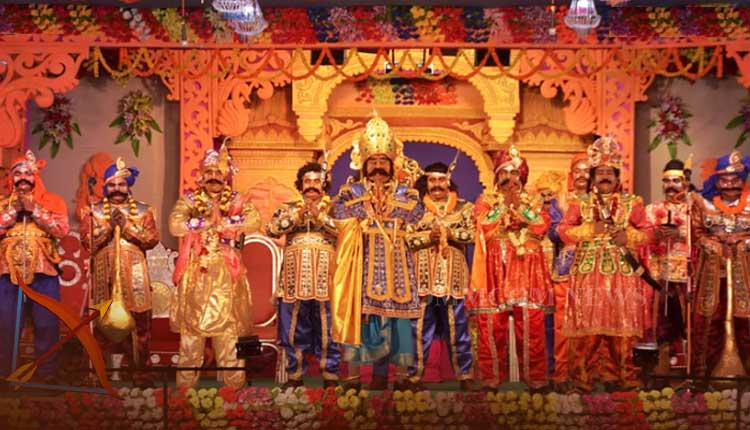
The Immersive Geography of Mathura
Dhanu Jatra is unique because it does not take place on a wooden stage, but across a vast physical landscape. The festival re-maps the district of Bargarh into the settings of the Dwapara Yuga:
-
Bargarh Town: Becomes the tyrannical kingdom of Mathura.
-
Ambapali Village: Located across the river, it is transformed into Gopapura, Krishna’s childhood home.
-
The Jeera River: Acts as the sacred River Yamuna, used for dramatic boat scenes and crossings.
The Legend and the Legacy
While the story is ancient, the modern tradition of Dhanu Jatra took root in the post-independence era (1947–48). It emerged as a symbolic reflection of India’s newfound freedom—the victory of Krishna over the tyrant Kansa mirrored the triumph of justice over oppression.
Recognized by the Guinness Book of World Records, the festival is organized by local cultural committees with significant backing from the Odisha Department of Culture.
Why Dhanu Jatra is Unlike Any Other Festival
-
The Ruler’s Decree: The actor playing King Kansa holds actual temporary authority. He moves through the town on an elephant, holding “Durbar,” and can summon or fine any citizen or government official for administrative lapses.
-
No Scripted Lines: While the plot follows the Bhagavata Purana, the dialogues are often extempore, relying on the actors’ wit and deep knowledge of folklore.
-
Mass Participation: Most residents of Bargarh are not just spectators; they are the “subjects” of Mathura or the “cowherds” of Gopapura, blurring the lines between actor and audience.
Day-by-Day Festival Highlights
| Phase | Focus | What to See |
| Day 1 | The Coronation | The symbolic crowning of King Kansa and his grand procession through “Mathura.” |
| Days 2–4 | The Childhood | Enactments of Krishna’s birth and his playful exploits (Leelas) in Ambapali (Gopapura). |
| Days 5–7 | The Rising Conflict | Kansa’s tyranny intensifies as he sends demons to kill Krishna; dramatic scenes by the Jeera River. |
| Days 8–10 | The Climax | Krishna and Balaram are invited to Mathura for the “Dhanu” ceremony; high-energy street battles. |
| Day 11 | The Triumph | The final confrontation in the town square where Kansa is defeated and righteousness is restored. |
Essential Traveler Information
How to Reach Bargarh
-
By Train: Bargarh Road (BRGA) is the main station, with Sambalpur (45 km away) serving as a major rail hub.
-
By Air: The closest airports are in Raipur (Chhattisgarh) and Bhubaneswar (Odisha).
Most Asked Questions (FAQs)
1. Is it safe for tourists to interact with King Kansa? Yes, it is a highlight of the trip! If King Kansa stops you and “fines” you, it is done in the spirit of the play. Usually, a small token donation or a witty reply is all that is needed.
2. What is the best time of day to attend? Performances happen throughout the day, but the energy peaks in the evenings when the “Mathura” night markets are in full swing and the grand processions take place.
3. What should I eat? Try local Odia staples like Pakhala, Chakuli Pitha, and the special puffed rice sweets known as Muan that are central to the Dhanu Sankranti season.
Insider Tips for an Unforgettable Visit
-
Stay for Multiple Days: Since the story unfolds chronologically, staying for at least 3–4 days allows you to feel the rising tension of the drama.
-
Photography: Evenings offer the best lighting for capturing the vibrant costumes and the dramatic backdrop of the Jeera River.
-
Respect the Play: While it is a festival, for many, it is a spiritual experience. Maintain a respectful distance during serious ritualistic scenes.
Dhanu Jatra is more than a theatrical performance; it is an immersive journey into the heart of Odia identity. To stand in the streets of Bargarh as a subject of King Kansa is to experience a living mythology that you will never forget.