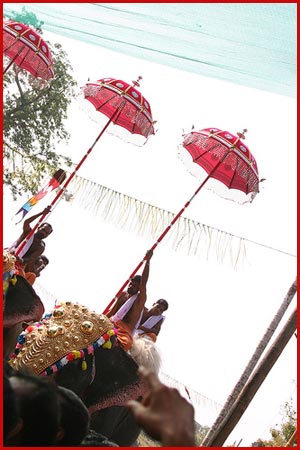
Chinakkathoor Pooram is a vibrant and culturally rich temple festival celebrated annually at the Sree Chinakkathoor Bhagavathy Temple in Palappuram, Palakkad district of Kerala, India. Known for its spectacular elephant procession, colourful rituals, traditional music, folk arts, and community participation, Chinakkathoor Pooram is one of the most awaited festivals in northern Kerala and a unique expression of the region’s religious and cultural heritage.
When Is Chinakkathoor Pooram Celebrated?
Chinakkathoor Pooram is observed each year during the Malayalam month of Kumbham, which typically falls in February or March. The festival day is fixed on the Makam star, a traditional astrological marker considered auspicious for worship of the Goddess Bhagavathy. The exact date varies each year according to the Malayalam calendar. In 2026, Chinakkathoor Pooram will be celebrated on March 2 and 3.
Why Is Chinakkathoor Pooram Celebrated?
Chinakkathoor Pooram is primarily a Hindu temple festival dedicated to Goddess Bhagavathy, a revered form of the divine mother. It is celebrated to honour her blessings and to bring together the local community in devotion and cultural expression. The festival also serves to preserve and showcase the traditional arts, music, and ritual performances of Kerala, making it both a religious observance and a celebration of regional identity.
The festival brings together people of all backgrounds and attracts visitors from across Kerala and beyond, weaving together devotion, performance, and festivity in an atmosphere of collective celebration.
How Is Chinakkathoor Pooram Celebrated?
Elephant Procession and Pageantry
One of the defining features of Chinakkathoor Pooram is the grand procession of caparisoned elephants. Traditionally adorned with decorative headgear, ornamental fans, and vibrant umbrellas, these majestic tuskers form a spectacular parade that draws large crowds to witness the pageantry. The procession is accompanied by the rhythmic beats of traditional percussion ensembles, creating a festive and spiritual ambience.
Cultural Performances and Rituals
The festival includes a rich variety of traditional art forms and performances:
-
Panchavadyam and Chenda Melam – Temple orchestra and percussion ensembles
-
Vellattu and Theyyam – Folk dance and ritual theatre
-
Poothanum Thirayum – Mythological character performances
-
Kaalavela and Kuthiravela – Processions and martial displays
-
Aandi Vedan and Karivela – Folk representations
-
Kuthira Kuthal and Kuthirakkali – Horse-related games and dances
-
Tholpavakoothu – Traditional shadow puppetry performed each evening for 17 days before the main Pooram day
These art forms are deeply rooted in Kerala’s cultural traditions, blending devotion, storytelling, rhythm, and movement in lively and expressive ways.
Procession of Models
In addition to live elephants, devotees ceremoniously bring decorated models of horses (kuthira) and bulls (kaala) to the temple as part of a traditional procession. These models are intricately crafted and symbolically significant, adding a unique visual element to the festival celebrations.
Timeline History of Chinakkathoor Pooram
The history of Chinakkathoor Pooram reflects centuries of temple worship and community celebrations in the Palakkad region:
Early Origins:
The festival grew around the ancient Sree Chinakkathoor Bhagavathy Temple, one of the oldest Devi temples in the region, revered for its divine presence and spiritual significance.
Development as a Temple Festival:
Over time, Chinakkathoor Pooram evolved into a major annual event that blends religious rituals with cultural performances. The inclusion of elephant processions, ritual puppetry, and multiple folk art forms helped shape its distinct identity among Kerala’s poorams.
Modern Celebration:
Today, Chinakkathoor Pooram is celebrated over multiple days, leading up to the main Pooram day. It is organised by local community committees and temple authorities, with rituals, performances, and processions carried out according to established traditions and collective participation.
Categories of Events and Performances
1. Ritual Ceremonies
These include temple poojas, kodiyettam (flag hoisting), arattu (holy bath), and various rites performed by priests and local devotees. Rituals form the spiritual core of the festival and are conducted with reverence and adherence to tradition.
2. Elephant Procession and Orchestras
The evening elephant pageant accompanied by Panchavadyam and Chenda Melam is the central attraction of Chinakkathoor Pooram. These performances enhance the visual and auditory spectacle of the festival and draw crowds from near and far.
3. Folk and Performance Arts
Folk art forms such as Theyyam, Poothanum Thirayum, Kaalavela, Aandi Vedan, and others are presented throughout the festival period. These performances celebrate mythology, martial symbols, and rural narratives.
4. Shadow Puppetry (Tholpavakoothu)
Tholpavakoothu, the traditional ritual shadow puppet performance, is staged each evening for nearly three weeks before the Pooram day. It narrates episodes from epic stories using leather puppets and traditional music, preserving an ancient storytelling art form.
5. Decorative and Community Parades
The ceremonial procession of decorated horse and bull models by devotees is both symbolic and celebratory, reinforcing community identity and participation.
What to See First at Chinakkathoor Pooram – Festival Highlights in Order
Chinakkathoor Pooram unfolds over several days with rituals, performances, and processions. To truly experience the spirit of the festival, it helps to know the sequence of events. Here is a simple guide to what happens first and what to watch out for.
1. Tholpavakoothu – The Sacred Beginning
The festival atmosphere begins nearly 17 days before the main Pooram day with Tholpavakoothu, the traditional shadow puppet performance held inside the temple premises.
This ritual art form narrates episodes from the Ramayana using leather puppets, lamps, and classical music. It is performed every evening and sets a spiritual tone for the days ahead.
Why see this first:
It connects you to the ancient storytelling traditions of Kerala and prepares you for the larger celebrations.
2. Temple Rituals and Kodiyettam (Flag Hoisting)
A few days before the main event, special poojas and kodiyettam (flag hoisting) take place at the temple. This marks the official start of the festival.
Devotees gather for prayers, offerings, and blessings from the Goddess Bhagavathy.
Why this matters:
It is the spiritual foundation of Chinakkathoor Pooram and reflects the deep devotional aspect of the festival.
3. Folk Art Performances and Cultural Programs
As the festival days progress, the temple grounds come alive with traditional art forms such as:
-
Poothanum Thirayum
-
Aandi Vedan
-
Kaalavela and Karivela
-
Vellattu and other ritual dances
These performances usually happen in the evenings and attract large crowds.
Why watch these:
They showcase Kerala’s village traditions, mythology, and folk culture in an energetic and colourful way.
4. Procession of Decorated Horse and Bull Models
One of the unique features of Chinakkathoor Pooram is the procession of decorated kuthira (horse) and kaala (bull) models. Devotees carry these artistic models to the temple as offerings.
The procession is lively, colourful, and deeply symbolic.
Why it stands out:
This tradition is unique to this region and adds a distinct visual charm to the festival.
5. Chenda Melam and Panchavadyam – The Rhythmic Build-Up
As the main Pooram day approaches, the sound of Chenda Melam and Panchavadyam fills the air. These powerful percussion ensembles create an atmosphere of excitement and devotion.
The rhythm builds gradually and draws people towards the temple grounds.
Why you should not miss this:
The energy of live temple percussion is one of the most thrilling parts of any Kerala festival.
6. The Grand Elephant Procession – Main Attraction
The highlight of Chinakkathoor Pooram is the majestic elephant procession on the main Pooram day, usually in the evening.
Caparisoned elephants adorned with ornaments, umbrellas, and decorations line up in front of the temple, accompanied by traditional music and large crowds.
Why this is the centrepiece:
It represents royal splendour, devotion, and Kerala’s temple heritage at its finest.
7. Night Cultural Programs and Folk Theatre
After the main procession, the festival continues with:
-
Folk theatre
-
Ritual performances
-
Community cultural programs
These events often go on late into the night, keeping the festive spirit alive.
Why stay back:
This is when the village truly comes together in celebration, music, and storytelling.
8. Arattu and Closing Rituals – The Peaceful End
The festival concludes with Arattu (ceremonial holy bath of the deity) and final rituals. The atmosphere becomes calmer and more reflective.
Devotees gather for final prayers and gratitude.
Festival Dates
Chinakkathoor Pooram is celebrated every year during the Malayalam month of Kumbham, which usually falls in February or early March.
The main Pooram day is fixed on the Makam star according to the Malayalam calendar, so the exact date changes each year.
The festival activities begin several days in advance with rituals and cultural programs, and the grand Pooram procession takes place on the main day.
Entry Details
-
Entry is free for all visitors.
-
No tickets are required to attend the festival, temple rituals, elephant processions, or cultural performances.
-
Visitors are welcome to watch the events from public areas around the temple and designated viewing spaces.
As it is a religious and community festival, people are encouraged to maintain decorum and respect temple traditions.
How to Reach Chinakkathoor Pooram
Chinakkathoor Pooram is held at Sree Chinakkathoor Bhagavathy Temple in Palappuram, Palakkad district, Kerala.
By Air
-
The nearest airport is Coimbatore International Airport (Tamil Nadu), about 55–60 km away.
-
From the airport, taxis and buses are easily available to reach Palappuram.
By Train
-
The nearest major railway station is Palakkad Junction (Palakkad Town), located about 15–18 km from the temple.
-
Auto-rickshaws, taxis, and local buses connect the station to Chinakkathoor.
By Road
-
Palappuram is well connected by road to Palakkad town, Ottapalam, and Pattambi.
-
KSRTC buses, private buses, and taxis regularly operate in this region.
-
During the festival, special buses are often arranged for the convenience of devotees.
Best Time to Visit Chinakkathoor Pooram
The best time to visit is on the main Pooram day, especially:
-
Evening to late night – for the grand elephant procession, percussion ensembles, and folk performances
-
Early morning hours – to witness rituals and the peaceful temple atmosphere
If you want to experience the festival in a more relaxed manner, you can also visit one or two days before the main Pooram day to enjoy Tholpavakoothu, cultural programs, and temple rituals without heavy crowds.
Helpful Tips for Visitors
-
Wear comfortable traditional or modest clothing suitable for temple visits.
-
Carry water and light snacks, as the festival lasts several hours.
-
Reach early to get a good viewing spot for elephant processions and performances.
-
Follow instructions given by temple authorities and volunteers for crowd management.
-
Respect local customs, performers, and devotees.
How to Promote and Spread Awareness About Chinakkathoor Pooram
To make Chinakkathoor Pooram more widely known and appreciated, especially among travellers and culture enthusiasts, consider these approaches:
Digital Storytelling: Publish articles, photo essays, videos, and interviews explaining the festival’s origins, traditions, and key attractions. Use searchable keywords like Chinakkathoor Pooram festival, elephant procession in Kerala, and traditional Kerala arts to improve visibility.
Social Media Campaigns: Share festival highlights on platforms like Instagram, Facebook, YouTube, and X with engaging descriptions and visuals from the event. Create short clips of elephant processions, folk performances, and Tholpavakoothu shows.
Community and School Outreach: Partner with cultural organisations, schools, universities, and folk arts societies to introduce students and the public to the rich traditions of Kerala temple festivals.
Tourism Collaboration: Work with tourism boards, travel bloggers, and cultural guides to include Chinakkathoor Pooram in Kerala travel itineraries, heritage tours, and festival calendars.
Local Media Engagement: Use regional newspapers, radio stations, and television to highlight the festival’s schedule, special events, and historical significance.
By promoting Chinakkathoor Pooram thoughtfully, the festival’s cultural value can reach a broader audience, helping preserve its traditions and inviting people to experience its unique celebration of devotion, art, and community.
इस आर्टिकल को हिंदी में पढ़ने के लिए यहां क्लिक करें