
Haridwar Kumbh Mela: A Guide to the World’s Largest Spiritual Gathering
Haridwar Kumbh, Haridwar Kumbh Mela, Maha Kumbh Mela at Haridwar, How to reach Maha Kumbh Mela Haridwar, Ardh Kumbh Mela […]
Haridwar Kumbh, Haridwar Kumbh Mela, Maha Kumbh Mela at Haridwar, How to reach Maha Kumbh Mela Haridwar, Ardh Kumbh Mela Haridwar
The Haridwar Kumbh Mela is not merely a festival; it is a profound human phenomenon. Recognized by UNESCO as an Intangible Cultural Heritage of Humanity, this “Great Indian Pilgrimage” represents the pinnacle of faith, where millions of devotees converge at the Gateway to the Gods (Haridwar) to seek spiritual liberation.
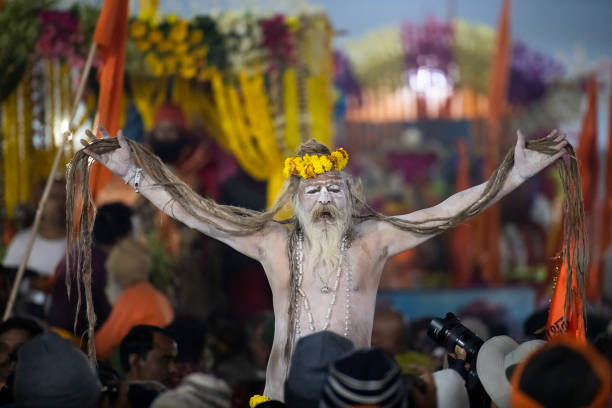
Whether you are a devout pilgrim, a cultural photographer, or a curious traveler, understanding the layers of the Kumbh—from its celestial origins to its modern-day logistics—is essential.
1. The Celestial Clock: Why Haridwar?
The timing of the Kumbh Mela is governed by the stars. According to Vedic astrology, the “Maha Kumbh” occurs in Haridwar every 12 years based on a specific planetary alignment:
| Celestial Body | Required Position | Significance |
| Jupiter (Guru) | Aquarius (Kumbh) | Spiritual expansion and wisdom |
| Sun (Surya) | Aries (Mesh) | Vitality and new beginnings |
| Moon (Chandra) | High Influence | Represents the flow of the mind and water |
When these forces align, it is believed that the Ganges River at Haridwar vibrates with the frequency of Amrita (the nectar of immortality).
2. The Heart of the Experience: Shahi Snan
The “Royal Bathing” days are the most sought-after moments of the festival. These are the dates when the various Akharas (ancient orders of Hindu saints) lead processions to the river.
-
The Naga Sadhus: The most iconic sight of the Kumbh. These ash-smeared, ascetic warriors of Shiva renounce all worldly possessions and lead the dip into the holy waters.
-
Har Ki Pauri: This is the epicenter of the festival. Legend says a drop of nectar fell exactly here, at the “Footsteps of the Lord.” Taking a dip here during the Kumbh is said to break the cycle of birth and death (Moksha).
3. Beyond the Ritual: What to Expect
The Kumbh Mela is a “Pop-up City.” Within weeks, a vast infrastructure of tents, hospitals, and community kitchens (Langars) appears along the riverbanks.
Expert Insight: Don’t just focus on the river. The “Tent Cities” are where the true storytelling happens. Here, you can sit with scholars, listen to Baul singers from Bengal, and witness ancient rituals that have remained unchanged for millennia.
The Evening Ganga Aarti
While the morning belongs to the bathers, the evening belongs to the fire. The Ganga Aarti at Har Ki Pauri is a sensory masterpiece. As thousands of leaf-boats with flickering lamps (diyas) float down the dark river, the air fills with rhythmic bells and chanting.
4. Traveler’s Pro-Tips: Survival & SEO
For those planning to attend or write about the event, keep these practicalities in mind to ensure a smooth journey:
-
Connectivity: Haridwar is a 4-5 hour drive from Delhi. During peak days, traffic is diverted 10-15km away. Tip: Use the rail network; Haridwar Junction is the most efficient way to enter the city.
-
Safety & Logistics: Wear comfortable, slip-on footwear and keep a “Khoya-Paya” (Lost and Found) card in your pocket with emergency contacts.
-
Eco-Pilgrimage: In line with the Namami Gange mission, pilgrims are encouraged to avoid using soaps or plastic offerings in the river to preserve the sanctity of the water.
5. Why the Kumbh Persists in the 21st Century
In an era of digital isolation, the Haridwar Kumbh Mela proves that the human spirit craves collective experience. It is a place where the CEO and the farmer stand shoulder-to-shoulder in the same cold river, reminded of their shared humanity. It is raw, it is chaotic, and it is undeniably beautiful.
Frequently Asked Questions (FAQ)
Q: When is the next Haridwar Kumbh Mela?
A: The dates are calculated by the lunar calendar. After the 2021 Maha Kumbh, the next major Ardh Kumbh (Half Kumbh) is expected in 2027/2028.
Q: Is it safe for international tourists?
A: Yes, the government sets up dedicated “Tourist Police” and “Foreigner Assistance Cells” to help international visitors navigate the crowds.
हरिद्वार कुंभ मेले के बारे में हिंदी में पढ़ने के लिए यहां क्लिक करें