
Ngada Festival
Ngada Festival falls around November end and it s post harvest festival celebrated for 8 days every year by the […]
Ngada Festival falls around November end and it s post harvest festival celebrated for 8 days every year by the Rengma Naga tribe of Nagaland
The Definitive Guide to the Rengma Naga Harvest Celebration
The Ngada Festival stands as the most vital cultural landmark for the Rengma Naga tribe of Nagaland. Often referred to as the “Mother of all Festivals” within their community, Ngada is a sophisticated eight-day post-harvest celebration. It serves as a communal thanksgiving for a successful agricultural cycle, a time for ancestral remembrance, and a period of social reconciliation.
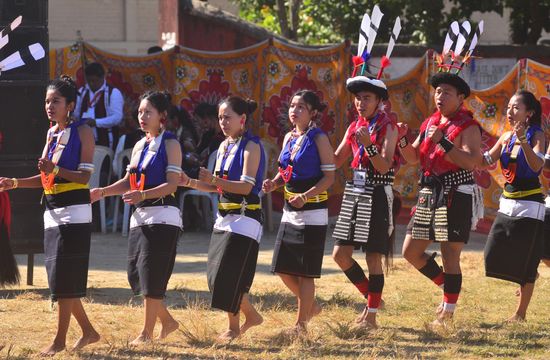
For those planning to visit the Tseminyu district in late November, this guide provides the historical context and travel intelligence required to experience this profound tribal event.
Event Roadmap: Ngada 2026 Schedule
While the timing of Ngada is traditionally dictated by the completion of the grain harvest, the core festivities follow a rigorous eight-day structure.
| Day | Ritual Name | Primary Activity |
| Day 1 | Preparation | Brewing of Zutho (traditional rice beer) in every household. |
| Day 2 | Collection | Gathering of banana leaves from the forest for ritualistic use. |
| Day 3 | Remembrance | Women visit family graves to offer rice beer to ancestral spirits. |
| Day 4 | Morung Feast | Men gather at the Rensi (traditional bachelor dormitories) for a warrior feast. |
| Day 5 | The Procession | A high-energy village march featuring folk songs and warrior fineries. |
| Day 6 | Reconciliation | Visiting neighboring homes to mend relationships and share a feast. |
| Day 7 | Resource Gathering | Collection of firewood and vegetables in preparation for the finale. |
| Day 8 | The Grand Finale | The “Great Rejoicing” followed by rites to drive out evil spirits. |
Core Cultural Insights
The Spiritual Significance
The Rengma Nagas believe that during Ngada, the spirits of the departed return to their ancestral homes. This belief makes the third and fourth days particularly significant, as families honor their ancestors with the finest food and brew. The festival concludes with three specific rites designed to ensure a peaceful year ahead:
-
The Fire Rite: Performed to protect the village from accidental fires.
-
The Pact with Nature: A ritualistic agreement to protect stored crops from rodents and pests.
-
The Expulsion of Evil: A final cleansing ceremony to usher in a prosperous new year.
Sartorial Heritage and Attire
Ngada is the premier occasion to witness the Rhikho and Moyet Tsu shawls. In Rengma culture, these garments are not merely decorative but indicate the social standing and achievements of the wearer. During the Day 5 procession, the men don warrior headgear adorned with hornbill feathers and carry traditional spears and shields, creating a striking visual display of tribal history.
Professional Travel Logistics
Reaching Tseminyu
Tseminyu is the cultural headquarters of the Rengma tribe and the primary venue for the Ngada festivities.
-
By Air: The nearest airport is Dimapur Airport (DMU). From Dimapur, it is approximately a 4-to-5-hour drive via the hilly terrain.
-
By Rail: Dimapur Railway Station is the most convenient railhead, well-connected to major cities like Guwahati and Kolkata.
-
By Road: Tseminyu is located approximately 50 kilometers from Kohima, the state capital. Shared taxis and state transport buses are available daily.
Permits and Documentation
Travelers must be aware of the mandatory documentation required for Nagaland:
-
Inner Line Permit (ILP): Mandatory for all Indian citizens. This can be obtained online or at Nagaland House in major Indian cities.
-
Foreign Travel: International tourists must register with the Foreigners Registration Office (FRO) upon arrival in the state, though the general restriction for Protected Area Permits (PAP) has been relaxed for most nationalities.
Expert Recommendations for Visitors
-
Social Etiquette: Ngada is a period of “forgive and forget.” If you are invited into a local home, it is a gesture of peace and hospitality. Accepting a drink of Zutho (or a non-alcoholic substitute) is considered respectful.
-
The Mother’s Rite: Observe the tradition where the matriarch of the household must be the first to taste the newly harvested grain before any feast begins.
-
Photography Decorum: While the colorful processions are a major draw for photographers, always seek explicit permission before photographing graveside rituals or tribal elders.
-
Seasonal Combination: Since Ngada takes place in late November, visitors can strategically combine their trip with the world-famous Hornbill Festival, which begins on December 1st in nearby Kisama.
The Ngada Festival remains a rare and authentic expression of Naga identity, offering a symphony of thanksgiving that has remained largely unchanged for generations. For the traveler seeking a deep cultural immersion in North-East India, Tseminyu in 2026 is an essential destination.