
Somvati Amavasya
Somvati Amavasya is celebrated on the no-moon day of Bhadrapada and is considered to be an auspicious day for Hindus […]
Somvati Amavasya is celebrated on the no-moon day of Bhadrapada and is considered to be an auspicious day for Hindus
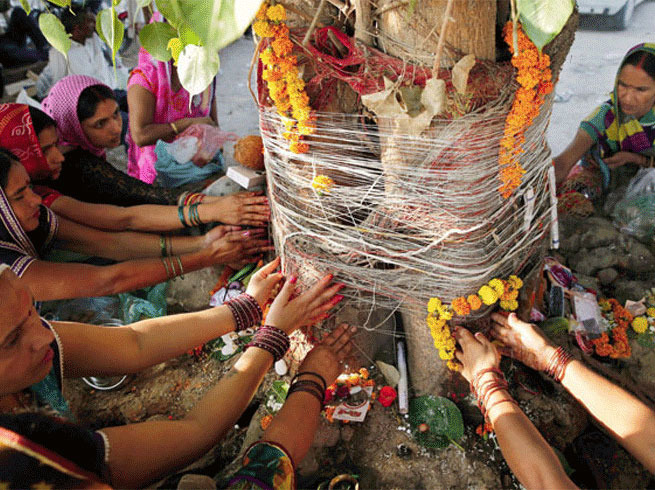
Somvati Amavasya is one of the most revered days in the Hindu calendar. It occurs when the New Moon (Amavasya) falls on a Monday (Somvar). Since Monday is dedicated to Lord Shiva and the Moon, this rare alignment is considered spiritually potent for removing obstacles, seeking ancestral blessings, and ensuring the longevity of one’s spouse.
Quick Facts: Somvati Amavasya at a Glance
| Feature | Details |
| Primary Deities | Lord Shiva, Lord Vishnu, and the Moon |
| Key Ritual | 108 Peepal Tree Circumambulations (Parikrama) |
| Significance | Ancestral Peace (Pitru Tarpan) and Marital Bliss |
| Holy Dip | Ganga Snan (Bathing in sacred rivers) |
| Upcoming Dates | June 15, 2026, and November 9, 2026 |
The Spiritual Power of Somvati Amavasya
In the Mahabharata, Bhishma Pitamah explained the importance of this day to Yudhishthira, stating that a holy dip in sacred rivers on Somvati Amavasya can grant prosperity, health, and freedom from grief.
Why is it so rare?
Unlike regular Amavasyas that occur every month, a Somvati Amavasya happens only once or twice a year. Astrologically, the Sun and Moon are in a straight line on this day, creating a unique gravitational and spiritual pull that is said to amplify the merits of any charity (Daan) or meditation done during this time.
Essential Rituals and Puja Vidhi
1. The Sacred Bath (Snan)
Taking a dip in the Ganges or other holy rivers (Yamuna, Kaveri, Narmada) is the primary ritual. If you cannot visit a river, adding a few drops of Ganga Jal to your bathing water at home is a common and effective alternative.
2. Peepal Tree Worship (Ashwath Pradakshina)
The Peepal tree is believed to be the abode of Lord Vishnu.
-
The 108 Parikrama: Women traditionally wrap a raw cotton thread (Mouli) around the tree trunk 108 times while circumambulating it.
-
Offerings: Devotees offer milk, water, flowers, and sweets at the base of the tree.
3. Pitru Tarpan (Ancestral Rites)
This day is highly auspicious for calming the souls of ancestors. Offering water mixed with black sesame seeds (Tarpana) is believed to alleviate Pitru Dosha and bring peace to the lineage.
4. Charity and Daan
Giving to the needy on this day is said to multiply your virtues manifold. Recommended donations include:
-
White items (rice, milk, curd, or white clothes) to honor the Moon.
-
Food for cows (Gau Seva) or feeding the hungry (Annadan).
Readers’ Corner: Most Searched Questions (FAQ)
When is Somvati Amavasya in 2026?
There are two prominent occurrences in 2026:
-
June 15, 2026 (Monday): Tithi ends at approximately 8:24 AM.
-
November 9, 2026 (Monday): Tithi ends at approximately 12:32 PM.
(Note: Some also observe the transition starting on February 16, 2026, depending on the local sunrise timings.)
Can unmarried women observe this fast?
While primarily observed by married women for the well-being of their husbands, anyone can perform the rituals of charity and holy bathing to seek mental peace and spiritual growth.
What is the story (Katha) behind this day?
A popular legend tells of a poor Brahmin’s daughter who was destined to remain unmarried. By serving a pious washerwoman and observing the Somvati Amavasya fast, she successfully changed her destiny, illustrating the power of this day to nullify unfavorable astrological “Yogas.”
Tips for a Meaningful Observance
-
Practice Silence (Maun): Many devotees observe a “Maun Vrat” (vow of silence) until the holy bath is completed to focus their internal energy.
-
Chant Mantras: Reciting the Maha Mrityunjaya Mantra or Om Namah Shivaya throughout the day enhances the spiritual vibration.
-
Be Mindful of Tithi: Always check the exact start and end times of the Amavasya Tithi via a local Panchang, as the window for puja is often specific.
Somvati Amavasya is a day of profound transformation. Whether you seek ancestral peace or family harmony, it is an opportunity to align your spirit with the rhythms of the cosmos.
To read in hindi Read here