
Baisakhi Festival
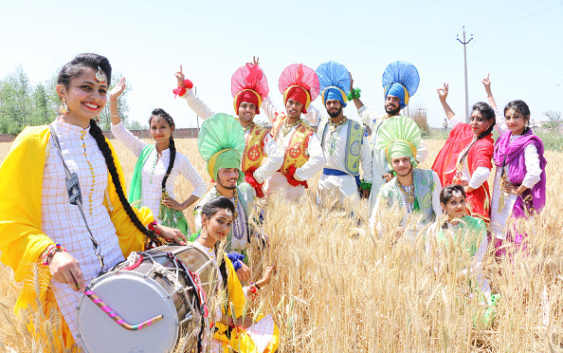
Baisakhi, Vaisakhi is a famous harvest festival grandly celebrated with music food, and festivity in Punjab Harvest Traditions, Spiritual Origins, […]
Baisakhi, Vaisakhi is a famous harvest festival grandly celebrated with music food, and festivity in Punjab
Harvest Traditions, Spiritual Origins, and Global Celebrations
Baisakhi (also known as Vaisakhi) is the most significant cultural and religious landmark for the state of Punjab and the Sikh community worldwide. It serves as a vibrant tapestry woven from the golden stalks of wheat, the heroic history of the Khalsa, and the enduring spirit of the Punjabi people.
Baisakhi 2026 At a Glance
-
Date: Tuesday, April 14, 2026
-
Vaisakhi Sankranti Timing: 09:39 AM
-
Significance: Marks the Solar New Year and the 327th Anniversary of the Khalsa Panth.
The Dual Significance of Baisakhi
1. The Farmers’ Thanksgiving
For the agricultural heart of India, Baisakhi is the ultimate harvest festival. It celebrates the ripening of the Rabi (winter) crops. After months of labor, farmers witness their fields turn into a shimmering sea of gold. The festival is an occasion to offer the first grains of the harvest to the Almighty as a gesture of gratitude for prosperity and sustenance.
2. The Birth of the Khalsa (1699)
In 1699, at Anandpur Sahib, the tenth Sikh Guru, Guru Gobind Singh Ji, transformed the identity of the Sikh community. He called for volunteers ready to sacrifice their lives for righteousness. Five brave individuals—the Panj Pyare (Five Beloved Ones)—stepped forward. This event led to:
-
The Abolition of Caste: All followers were given the surname Singh (Lion) for men or Kaur (Princess) for women to establish absolute equality.
-
The Five Ks: The mandate for Sikhs to wear five articles of faith: Kesh (uncut hair), Kangha (wooden comb), Kara (steel bracelet), Kachera (cotton undergarments), and Kirpan (ceremonial sword).
Traditions and Observances
-
Visit to the Gurdwara: Devotees begin the day with Ardas (prayer) and Kirtan (hymns). The atmosphere at the Golden Temple in Amritsar is particularly profound during this time.
-
Nagar Kirtan: Grand street processions led by the Panj Pyare. These processions feature the holy Guru Granth Sahib and displays of Gatka, a traditional Sikh martial art.
-
Baisakhi Mela: Local fairs are central to the celebration, featuring wrestling bouts (Dangal), amusement rides, and stalls selling traditional handicrafts like Phulkari.
-
Folk Dances: Bhangra and Gidda are performed to the beat of the Dhol. These dances are rhythmic expressions of the physical labor involved in harvesting and the joy of a successful season.
The Festive Menu: Authentic Baisakhi Flavors
| Dish | Cultural Significance |
| Kada Prasad | A sacred flour-based halwa made with ghee and sugar, served as a blessing. |
| Sarson da Saag & Makki di Roti | The quintessential Punjabi soul food, often the last of the seasonal mustard greens. |
| Meethe Chawal | Fragrant yellow rice sweetened with saffron, raisins, and dry fruits to match the festival’s color. |
| Pindi Chole | Spicy, dark chickpeas that are a staple at celebratory community lunches. |
| Kesar Lassi | A thick, chilled yogurt drink flavored with saffron and cardamom. |
Regional Variations: One Day, Many Names
Baisakhi coincides with the Solar New Year, which is celebrated across various Indian states under different names and local customs:
-
Pohela Boishakh: West Bengal
-
Bohag Bihu: Assam
-
Vishu: Kerala
-
Puthandu: Tamil Nadu
इस आर्टिकल को हिंदी में पढ़ने के लिए यहां क्लिक करें