A Celebration of Faith, Folklore, and Harmony
The Gogaji Fair, popularly known as the Gogamedi Mela, is one of Rajasthan’s most spiritually charged and culturally vibrant events. Held in honor of the legendary folk deity Gogaji (also known as Jahar Veer Gogaji), the fair is a remarkable blend of religious devotion, communal harmony, and traditional Rajasthani grandeur.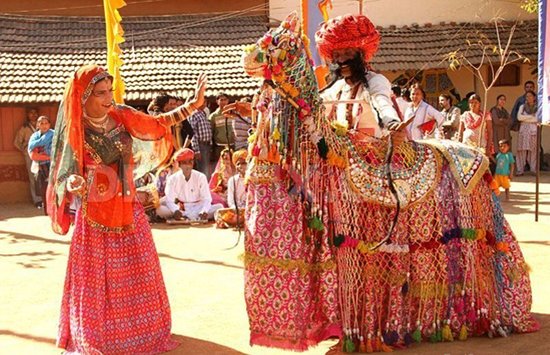
Event Overview
-
Location: Gogamedi Village, Hanumangarh District, Rajasthan (approx. 395 km from Jaipur).
-
Timing: The festivities peak on Goga Navami (the 9th day of the dark fortnight in the Hindu month of Bhadrapada). This usually falls in August or September.
-
Duration: While the main rituals happen on Navami, the fair atmosphere permeates the region for nearly a month.
The Legend of Jahar Veer Gogaji
Gogaji was a 10th-century Chauhan Rajput ruler. His life is a tapestry of bravery and mysticism:
-
The Protector: He is worshipped as the "Snake God" and a protector against serpent bites. Legend says he possessed supernatural powers over venomous creatures.
-
The Sacrifice: After a family dispute led him to kill his treacherous brothers (Archan and Sarchon), his mother, Queen Banchal, ordered him to leave the palace. Devastated and unable to face his mother again, Gogaji is said to have prayed to the earth to swallow him. He and his horse were entombed alive at the site where the Gogamedi temple now stands.
-
The Cattle Guardian: Known for his immense love for cows, he is believed to have built seven massive cowsheds housing over 7,000 animals, earning him the title of a divine guardian of livestock.
Key Highlights of the Fair
1. Spiritual Devotion & Rituals
-
The Samadhi: The heart of the fair is the Gogamedi Temple, which houses Gogaji’s samadhi. Interestingly, the temple architecture reflects both Hindu and Islamic styles, symbolizing his universal appeal.
-
The "Purbiyas": Devotees from Rajasthan, Uttar Pradesh, Punjab, and Bihar—known as Purbiyas—flock to the site dressed in distinctive yellow attire.
-
Offerings: Pilgrims offer milk, sweets, and often small, handcrafted snake idols made of clay or metal to seek protection.
2. Cultural Extravaganza
-
Folk Performances: The fairground echoes with the sounds of traditional instruments. Folk artists perform the Ghoomar dance, and singers narrate the "Goga Ji Ki Phad" (musical storytelling of his life).
-
The Jagran: Night-long vigils involve devotees singing hymns (Bhajans) and sharing tales of Gogaji’s miracles, creating an atmosphere of intense spiritual fervor.
3. The Animal Fair & Marketplace
-
Livestock Trade: Historically, this is one of the largest animal fairs in northern India. It is a major hub for the trading of camels and other livestock.
-
Rural Bazaar: Hundreds of stalls sell everything from intricate Rajasthani handicrafts and jewelry to traditional sweets and religious artifacts.
A Symbol of Communal Harmony
One of the most beautiful aspects of the Gogamedi Fair is its inclusive nature. Gogaji is revered not just by Hindus, but also by Muslims (who call him Peer), Sikhs, and Christians. This "Unity in Diversity" is the fair's true soul, as people of all faiths stand side-by-side to seek his blessings.
Travel Tips for Visitors
-
How to Reach: Hanumangarh is well-connected by rail and road. From Jaipur or Delhi, one can take a bus or private taxi to reach Gogamedi.
-
Attire: Wear comfortable, modest clothing. If you wish to blend in with the pilgrims, yellow is the color of the season!
-
What to See: Don't miss the grand procession where devotees carry large colorful flags (Nishans) and dance to the beat of drums.