
Tala Navami/ Maha Nanda Navami
Tala Navami is it’s celebrated on the ninth day of the Bhadrapada month of the Hindu Calendar in honor of […]
Tala Navami is it’s celebrated on the ninth day of the Bhadrapada month of the Hindu Calendar in honor of Durga Maa
Maha Nanda Navami — also known as Tala Navami or Mahananda Navami — is an auspicious Hindu festival observed on the Navami (ninth) day of the Shukla Paksha (waxing moon) in the month of Bhadrapada according to the Hindu calendar. It is celebrated with devotion across many parts of India, especially in Odisha, West Bengal, and northern and eastern regions, where devotees honour the divine feminine power and seek her blessings for strength, protection, and prosperity.
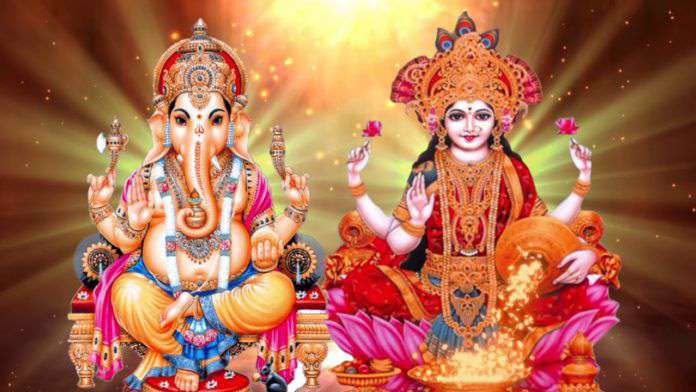
The name “Tala Navami” refers to the day of Navami combined with tala — often symbolizing auspicious beginnings, blessings, and reverence. While there are regional variations in how it’s observed, the underlying theme remains consistent: the celebration of Goddess Durga as the embodiment of divine strength and the remover of suffering.
The Spiritual Essence of Maha Nanda Navami
For devotees, Maha Nanda Navami is a day of spiritual purification and devotion. The festival honours Goddess Durga, also revered as Durgatinashini — the one who destroys suffering and protects her devotees from negativity and obstacles.
According to belief, worshipping the goddess on this day helps purify the heart, strengthen faith, and cultivate inner courage to face life’s challenges. In some traditions, it is also associated with worship of Lord Vishnu in his Nanda form, symbolizing joy, prosperity, and divine protection.
During Maha Nanda Navami, devotees often meditate on the nine manifestations of Goddess Durga — including Chandraghanta, Brahmacharini, Kalaratri, and others — each representing strength, courage, purity, wisdom, and protection.
History and Mythological Background
The roots of Maha Nanda Navami are intertwined with the broader tradition of celebrating the power of the Divine Mother in Hinduism. While not as widely known as the nine-day Navratri festival, it carries a similar spirit of reverence for the goddess’s victory over negativity and chaos.
The worship of Durga in her various forms reflects the ancient belief in Shakti — the feminine cosmic energy that sustains the universe. Celebrating Navami during Bhadrapada links the festival with seasonal renewal and spiritual introspection, reminding devotees of life’s cycles and the need for inner strength.
Rituals and Traditions of the Day
Maha Nanda Navami is observed with a variety of religious practices, many of which are aimed at invoking the divine blessings of the goddess and fostering spiritual growth.
1. Sacred Bath and Purification
Devotees begin the day with a ritualistic holy bath, often at sunrise. This act symbolizes spiritual cleansing and readiness to welcome the divine presence.
2. Worship of Goddess Durga
Special prayers, pujas, and offerings are made to the goddess at home or in temples. Devotees chant hymns and mantras to seek strength, peace, and protection from adversities.
3. Fasting and Devotion
Many devotees observe a fast on this day, refraining from food or consuming a limited diet until evening. This act of self-discipline is believed to bring spiritual merit and deepen devotion.
4. Temple Visits and Community Worship
Temples dedicated to Goddess Durga — especially in Odisha and West Bengal — witness large gatherings of devotees. Special rituals, bhajans (devotional songs), and cultural celebrations take place throughout the day.
5. Offering Traditional Foods
After the fast or worship, devotees prepare and offer traditional dishes such as sweets and seasonal foods. Some regions also prepare Tal’er Bara — a delicacy made from ripe palm fruit, coconut, and flour — as a special offering.
6. Decoration and Festive Atmosphere
Homes and temples are decorated with flowers, lamps, and rangoli patterns. The festive atmosphere reflects joy, devotion, and community participation.
Maha Nanda Navami Schedule Overview
While individual customs can vary, a typical observance of Maha Nanda Navami follows this structure:
Morning Rituals
-
Wake early and take a sacred bath
-
Install deity images or visit a temple
-
Light lamps, offer flowers, incense, and sweets
Midday Worship
-
Perform puja with singing of hymns and mantra recitation
-
Observe fast or partake in symbolic offerings
-
Chant sacred verses dedicated to Goddess Durga
Evening Devotion
-
Continue prayers or attend evening ceremonies at temples
-
Break the fast after sunset with family and community
-
Share prasad (sacred offerings) and traditional foods
Each stage of the day invites participants to reflect, connect, and renew their faith.
Why Maha Nanda Navami Matters Today
Maha Nanda Navami is not just a religious observance — it is an opportunity for inner transformation. Through devotion, discipline, and community celebration, the festival encourages individuals to embrace courage, compassion, and resilience — qualities that are essential in everyday life.
Prayer on this day is believed to remove inner fears, bring clarity of purpose, and inspire a life rooted in righteousness. In a world filled with uncertainty, such spiritual grounding is a source of comfort and strength.
A Message for the Youth: Strength Through Belief and Action
For young people today, Maha Nanda Navami offers meaningful insights:
-
Seek inner strength: The worship of the goddess reminds us to cultivate courage and confidence in ourselves.
-
Live with purpose: The festival invites us to reflect on life’s higher goals beyond daily routine.
-
Respect tradition: Understanding our cultural heritage connects us to values that shape character and community.
-
Celebrate unity: Festivals bring people together — regardless of background — reinforcing harmony and belonging.
In celebrating Maha Nanda Navami, the youth can rediscover the timeless message that true strength comes from faith, discipline, and service — an inspiration not just for spiritual life but for everyday actions.
इस आर्टिकल को हिंदी में पढ़ने के लिए यहां क्लिक करें